![PortStrategy[GreenPort]](https://www.portstrategy.com/wp-content/uploads/2026/09/PortStrategyGreenPort.svg)





LNG draft code approved
The draft International Code of Safety for Ships using Gases or other Low flashpoint Fuels (IGF Code) and proposed amendments to make the code mandatory under SOLAS have been approved by the inaugural meeting of the IMO’s Sub-Committee on Carriage of Cargoes and Containers (CCC 1).
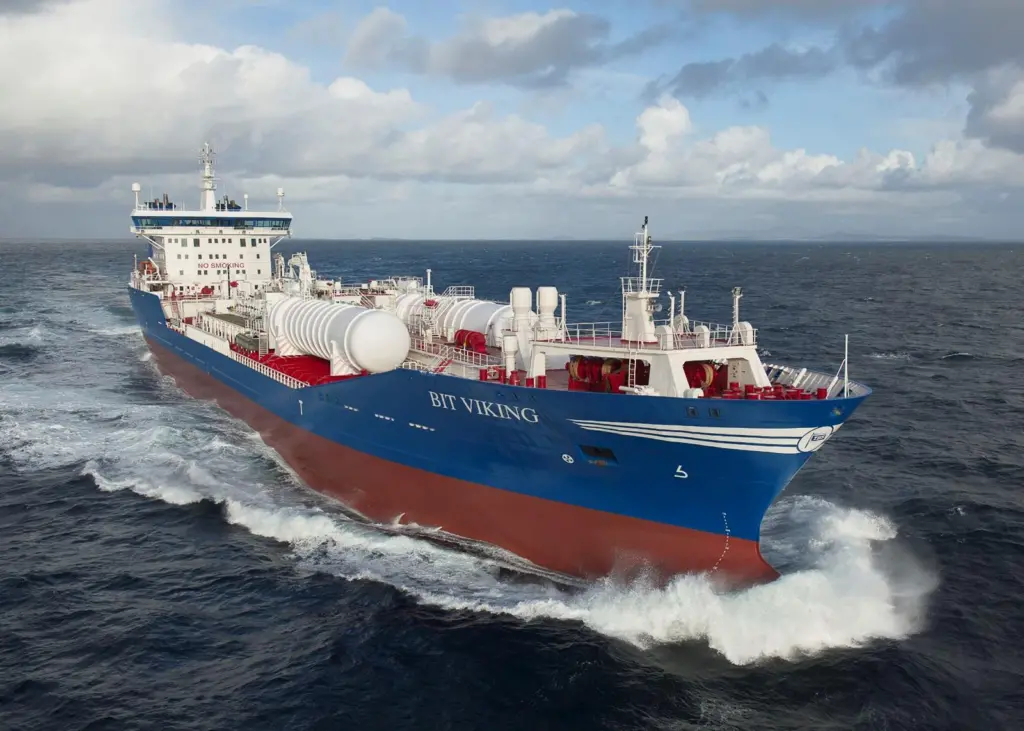
In a nutshell, the IGF Code will provide mandatory provisions for the arrangement, installation, control and monitoring of machinery, equipment and systems using low flashpoint fuels such as LNG.
It will also apply to new and existing ships converting to the use of LNG, but not to cargo ships of less than 500 gross tonnes.
The draft amendments include a new Part G in SOLAS chapter II-1 (Construction – Subdivision and stability, machinery and electrical installations) related to ships using low-flashpoint fuels, requiring such ships to comply with the IGF Code; and related amendments to SOLAS chapter II-2 (Fire protection, fire detection and fire extinction), covering to the use of fuel with a low flashpoint.
Further draft amendments will update the form of safety certificates, to include reference to the new Part G.
Since the draft IGF Code focuses on the specific requirements for ships using LNG as fuel, the Sub-Committee also agreed a work plan for the next phase of development of the IGF Code, to take account of the need to consider future proposals for the use of additional fuels for inclusion in the Code.
The draft IGF and amendments to SOLAS will now be submitted to the parent body, the Maritime Safety Committee (MSC), at its ninety-fourth session from 17 to 21 November 2014 for approval with a view to adoption.
Related Articles
 ALTERNATIVE FUELS GREENPORT
 ALTERNATIVE FUELS GREENPORT
 ALTERNATIVE FUELS GREENPORT