![PortStrategy[GreenPort]](https://www.portstrategy.com/wp-content/uploads/2026/09/PortStrategyGreenPort.svg)




LNG terminal gets environmental clearance
A proposed US LNG terminal with adverse environmental impacts could go ahead if impact avoidance, minimisation and mitigation measures are implemented.
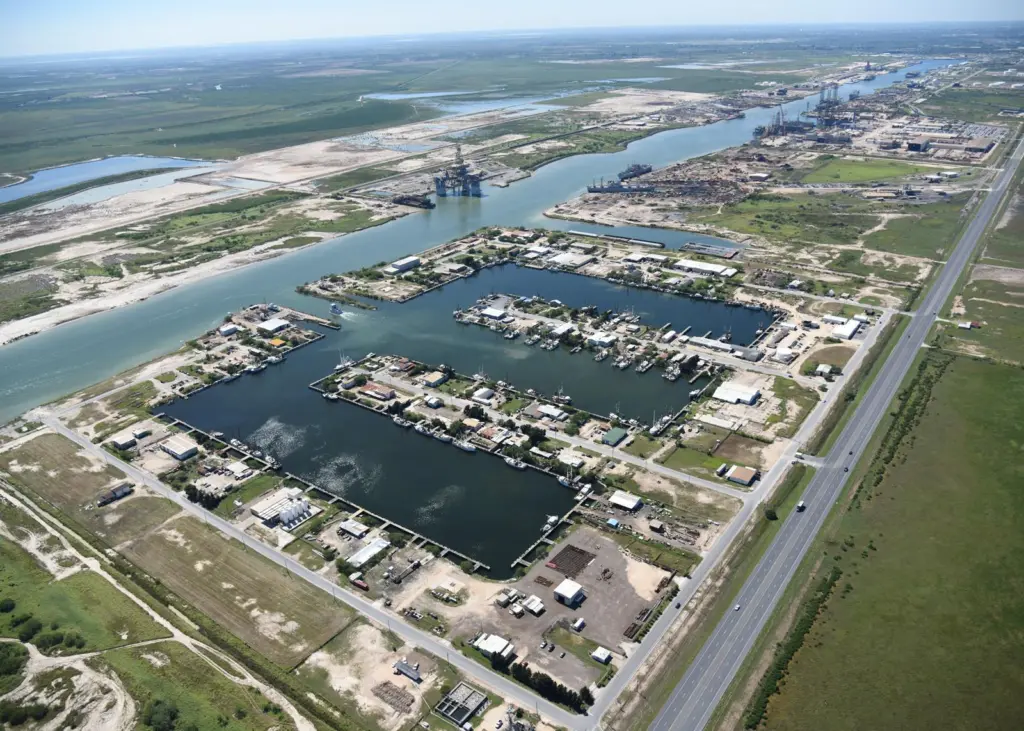
The Federal Energy Regulatory Commission (FERC) said that while Texas LNG Brownsville, LLC’s project to site, construct, and operate an LNG terminal at the Port of Brownsville in Texas “would result in adverse environmental impacts”, Texas LNG’s environmental initiatives, alongside additional measures recommended by FERC, would be enough to make impact insignificant.
The impact assessment determined that the project, combined with others “would result in significant cumulative impacts from sediment/turbidity and shoreline erosions within the Brownsville Ship Channel during operations from vessel transits; on the federally listed ocelot and jaguarundi from habitat loss and potential for increased vehicular strikes during construction; on the federally listed aplomado falcon from habitat loss; and on visual resources from the presence of aboveground structures.”
Alongside the project’s impact avoidance and mitigation measures, other factors considered by FERC included that the LNG terminal would be constructed in an area currently zoned for commercial and industrial use, along an existing, man-made ship channel; and that the US Coast Guard issued a Letter of Recommendation indicating that the Brownsville Ship Channel would be considered suitable for the LNG marine traffic associated with the project.
A final decision on the project is expected later this year.
Two other projects, Rio Grande LNG and Annova LNG, are also undergoing approval to be built and operated at the Port of Brownsville.

Related Articles
 ALTERNATIVE FUELS GREENPORT
 ALTERNATIVE FUELS GREENPORT
 ALTERNATIVE FUELS GREENPORT