![PortStrategy[GreenPort]](https://www.portstrategy.com/wp-content/uploads/2026/09/PortStrategyGreenPort.svg)





MARAD study clears the air
A new study by the US Maritime Administration (MARAD) reveals the benefits of using natural gas as a propulsion fuel compared to conventional marine fuels.
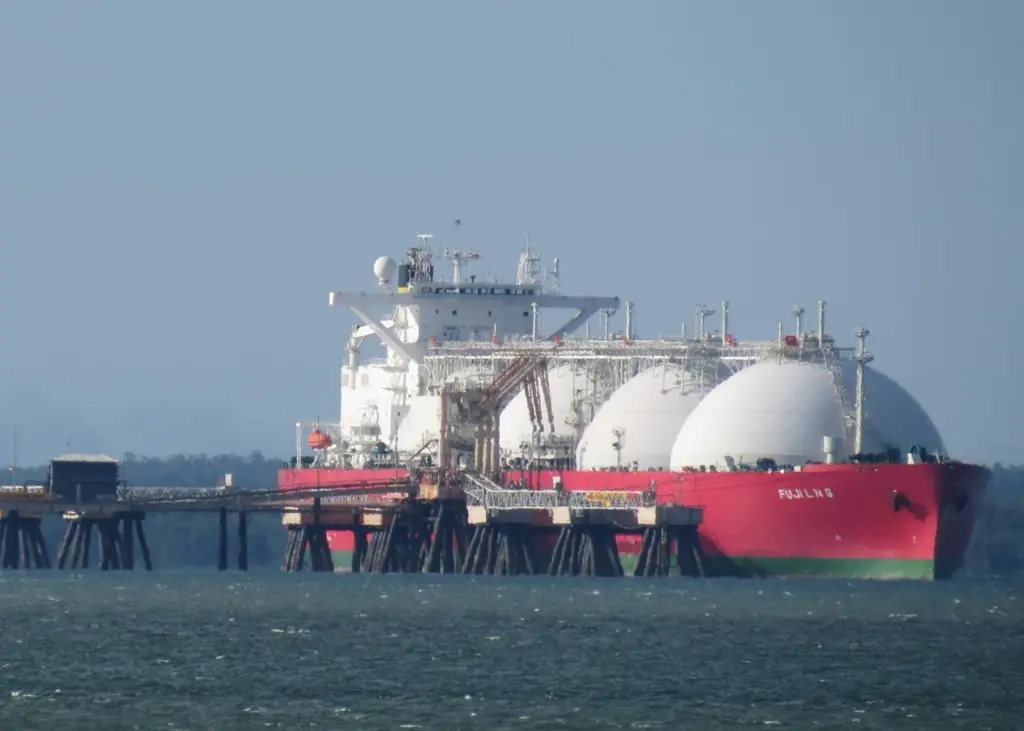
The study, which evaluates total fuel cycle emissions for natural gas, comes at an important time for the marine industry as shipowners evaluate natural gas as an alternative for reducing air polluting emissions.
MARAD says when comparing emissions produced using natural gas or traditional diesel fuel, it’s important to take into account the total energy needed to make a trip, since more energy is needed in natural gas scenarios, meaning the amount of CH4, N2O and NOx produced is also higher, while in all-diesel scenarios, more CO2, PM10 and SOx are produced.
The results of which fuel produced less emissions were mixed. According to the study, LNG fuel produces less overall GHG emissions in coastal scenarios (both West Coast and East Coast) than diesel fuel scenarios using either low-sulphur distillate or high-sulphur residual fuel. But, diesel in the West Coast scenario results in more overall GHG emissions.
While the analysis does not include an assessment of impacts resulting from each of those pollutants, MARAD highlighted the IMO’s work in deeming that NOx and SOx are both important enough pollutants to regulate.
This work provides new knowledge about the life-cycle emissions of natural gas compared to traditional petroleum-based marine fuels, but MARAD says more work is needed on cost-effectiveness, leakage and emissions in certain regions.
MARAD carried out the study as part of its Maritime Environmental and Technology Assistance programme, which focuses efforts on emerging marine transportation and environmental issues.
Related Articles
 ALTERNATIVE FUELS GREENPORT
 ALTERNATIVE FUELS GREENPORT
 ALTERNATIVE FUELS GREENPORT