



Ports prepare for gas-fuelled future
More and more ports are either planning for, or are anticipating, the development of LNG bunkering, according to a new survey by Lloyd’s Register.
The survey, LNG Bunkering Infrastructural Survey 2014, looked at both growth in current short sea demand and the emerging possibility of expansion into bunkering for deep sea. Of the 22 ports assessed – most of which were in the North American and European ECAs – 59% said they have specific plans for LNG bunkering infrastructure, and 76% believe that LNG bunkering operations will commence within five years.
“Global ports are gearing up for a gas fuelled future for shipping,” said Latifat Ajala, senior market analyst. “Now we can clearly see that the development of bunkering capability is going to be a vital driver for take up of LNG by deep sea shipping. Traditional bunkering ports will need to be able to offer gas just as they offer the traditional choice of fuel oil or distillates today.”
According to the study, shipowner demand, unsurprisingly, remains the biggest driver from the ports’ perspective, but availability of LNG infrastructure has risen from being considered a low priority to the second most important driver after demand. Pricing is third.
Luis Benito, LR’s global marketing manager, said: “Ports want to be gas capable – and they are planning for a gas fuelled future. We believe that ports can make LNG available safely – but at what price? That’s what everybody wants to know.”
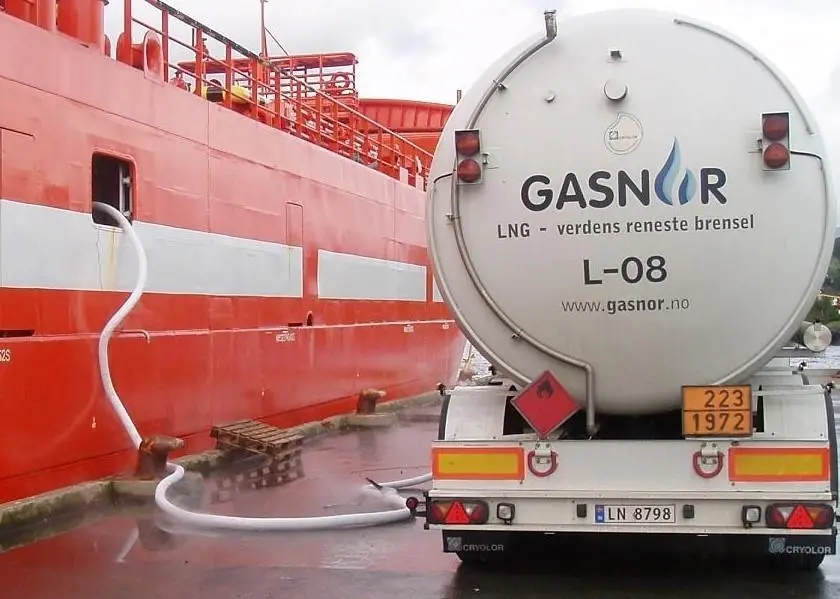
Key European ports expect to be able to support deep-sea LNG bunkering by 2020. In the short term, ports will rely on third party specialist suppliers to supply gas either by truck or by bunker barge. In the longer term, 47% of ports will have dedicated LNG storage capability for bunkering, with one of the ports surveyed considering the use of floating storage and regasification units.
By 2020/2025, ports expect that 13%/24% of bunkers supplied will be LNG, with a large majority expecting that deep sea traffic will expect LNG to be available within a three to 10 year period. There is clear awareness that port and land safety issues need to be harmonised.
Related Articles
 ALTERNATIVE FUELS GREENPORT
 ALTERNATIVE FUELS GREENPORT
 ALTERNATIVE FUELS GREENPORT