![PortStrategy[GreenPort]](https://www.portstrategy.com/wp-content/uploads/2026/09/PortStrategyGreenPort.svg)




UK port approved for LPG bunkering
Liquefied petroleum gas (LPG) ship to ship (STS) bunkering has been authorised at a UK port to help it support sustainable fuel usage in commercial shipping.
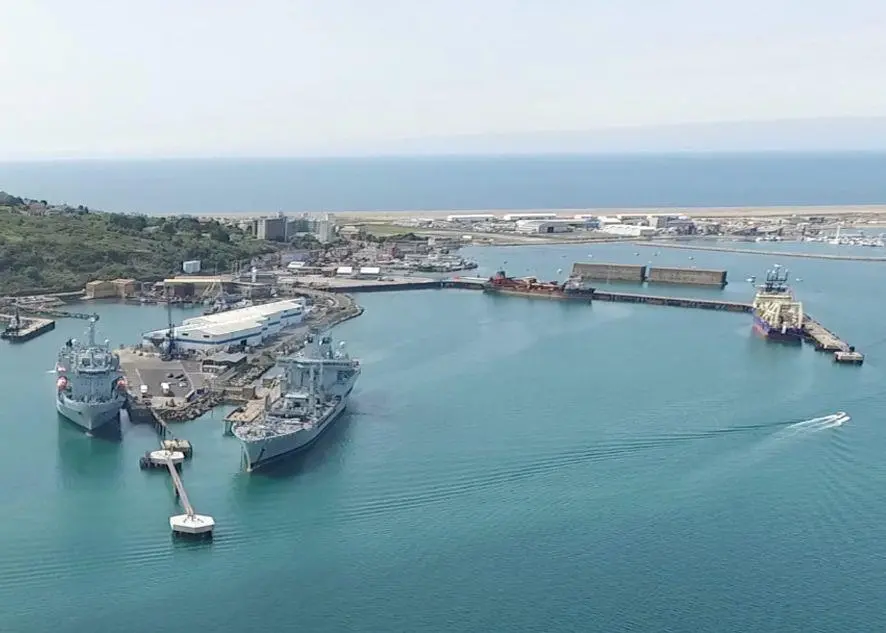
STS transfers of LPG product can now take place in the inner or outer harbour and alongside at Portland Port in Dorset. STS Marine Solutions has been working with Portland Port to finalise the project and is the first company that has been issued with a certificate by Portland Harbour Authority to manage LPG STS operations within harbour waters.
Ian McQuade, general manager (commercial) at Portland Port, commented: “This is the port’s first step into the field of ship to ship operations, a market for which Portland Port is ideally suited. We have deep water with sheltered anchorages and berths, all of which is in close proximity to the main English Channel shipping lanes.”
LPG operations management
STS Marine Solutions will screen the vessels that are going to be involved in LPG bunkering for suitability and compatibility based on location, equipment available and weather conditions. The company will provide a fully qualified LPG POAC (person in overall advisory control) to manage and ensure the safe completion of operations.
The port has purchased a new tug and new hoses and fenders have already arrived at the port. A mobilisation exercise, involving the port, STS Marine Solutions and Quest Marine, has taken place to ensure that all parties are experienced with the processes in preparation for the first STS operation. The mobilisation of equipment will take place from the recently refurbished 50T crane berth.
An alternative to LNG, LPG fuel is a mixture of propane and butane. It virtually eliminates sulphur emissions, while the reduction of NOX emissions depends on the engine technology used, explained Torill Grimstad Osberg, head of section LNG, cargo handling & piping systems at DNV GL.
Related Articles
 ALTERNATIVE FUELS GREENPORT
 ALTERNATIVE FUELS GREENPORT
 ALTERNATIVE FUELS GREENPORT