![PortStrategy[GreenPort]](https://www.portstrategy.com/wp-content/uploads/2026/09/PortStrategyGreenPort.svg)


Clean terminal complete
One of the worlds cleanest and technologically advanced terminals has been completed.
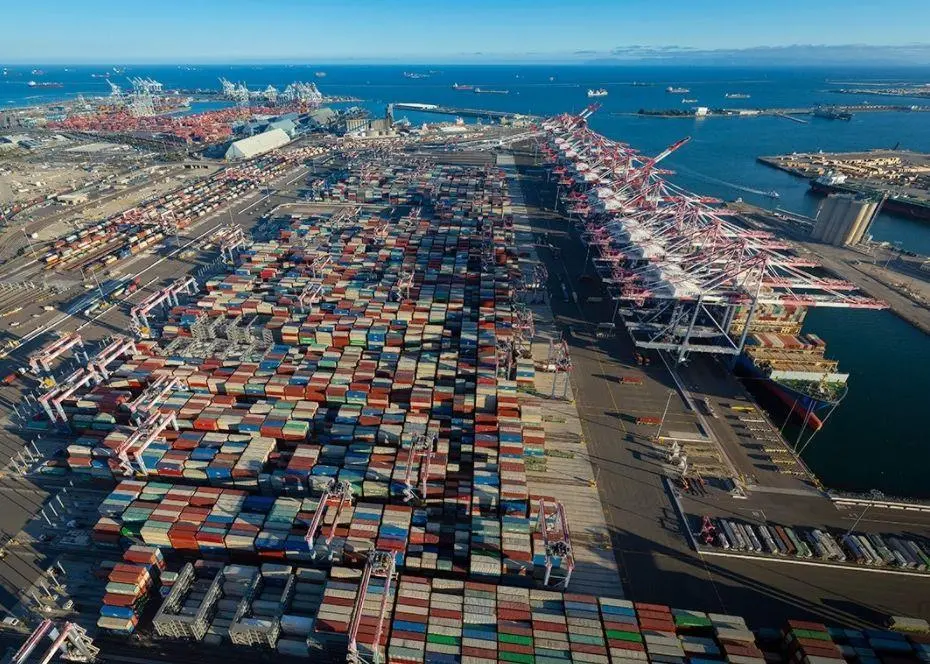
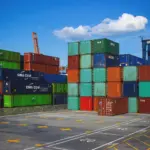
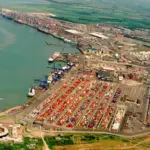
The Port of Long Beach’s Long Beach Container Terminal (LBCT) at Middle Harbor is equipped with nearly all electric and zero-emissions equipment and has an annual capacity of 3.3m TEUs.
“As the world’s first all-electric, zero-emission mega terminal, LBCT sets the industry standard for moving cargo sustainably while keeping the Port competitive and supporting vital jobs,” said Mario Cordero, executive director of the Port of Long Beach. “It is truly a technological marvel that will allow us to increase our throughput, improve air quality and maintain our status as a leading gateway for trans-Pacific trade.”
10-year project
Construction of the US$1.493bn project started in May 2011. The first part of the terminal opened five years later with the completion of Phase 1, allowing the terminal to begin operations across an initial 151 acres. Phase 2 wrapped up in October 2017, expanding the facility to 191 acres.
The third and final phase concluded in July, growing the terminal to 300 acres with a completed container yard and an on-dock rail yard designed to handle 1.1m TEUs annually to minimise truck traffic on local roads and freeways. Additionally, 14 of the most modern ship-to-shore gantry cranes line a new, 4,200-foot-long concrete wharf capable of welcoming three massive ships at once, making the Port of Long Beach “big ship” ready into the future. Another three acres will be added in 2025 with the opening of the North Gate Expansion.
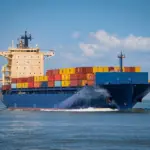
All ships calling at the terminal plug into shore power connections while berthed, allowing them to shut down diesel engines and connect to the landside electrical grid. All major structures are built with features to save power and water.
The Port of Long Beach said that with an annual capacity of 3.3m TEUs, LBCT by itself would rank as America’s sixth-busiest seaport, capable of moving twice the cargo with less than half of the air pollution of the two terminals it replaces.
Related Articles
 ALTERNATIVE FUELS GREENPORT
 OPERATIONS
 ALTERNATIVE FUELS GREENPORT