![PortStrategy[GreenPort]](https://www.portstrategy.com/wp-content/uploads/2026/09/PortStrategyGreenPort.svg)



Clean trucks scheme nearly two years ahead of schedule
The Port of Long Beach has reached an important milestone
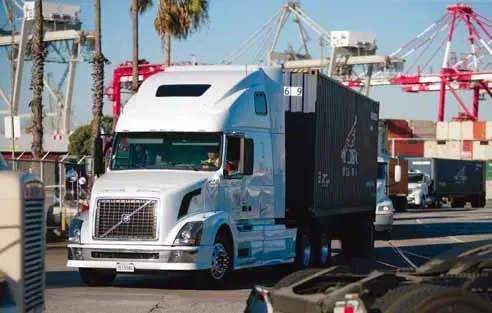
White will be a popular colour for trucks at Port of Long Beach (POLB) in 2010. The port ushered in the New Year with a major Clean Trucks Program milestone, banning thousands of older more polluting trucks and replacing them mostly with the signature white rigs that now service the port. In recent months, newer, cleaner diesel and liquefied natural gas trucks have been seen in increasing numbers, especially on the 710 Freeway, a main transportation corridor for cargo in and out of the port. At the same time, about 8,000 old, dirty diesel trucks have been forever barred from the POLB under the stringent emissions limits of the Clean Trucks Program.
“This is a landmark achievement for the City of Long Beach and on behalf of the port, I’d like to thank our partners in the trucking industry for supporting this program and purchasing clean trucks,” said Nick Sramek, president of the Long Beach Board of Harbor Commissioners. “Truck pollution is a major concern in Long Beach and the region. I’m very proud that we’re close to meeting our 2012 goal two years ahead of schedule.”
About 90 percent of all truck engines now meet the strict US Environmental Protection Agency 2007 emissions standards, for a pollution reduction of nearly 80 percent since the programme began in 2008. The Port of Long Beach kicked off its Clean Trucks Program in October 2008 with a ban on all trucks built before 1989. As of New Year’s Day, all 1993 and older drayage trucks, as well as non-retrofitted 1994-2003 trucks are banned. However, following the California Air Resources Board’s lead, about 1,300 trucks in this region have been granted a temporary exemption, for owners who have obtained grant funding but are still awaiting delivery. Approximately 250 more trucks have also been granted a temporary exemption if owners have executed a binding purchase agreement for a privately funded truck and are still awaiting delivery. For the exempted trucks, the owners have until the new truck is delivered or 30 April 2010, whichever comes first.
The final deadline will be 1 January 2012, when all trucks entering port shipping facilities must meet the EPA 2007 standard. The Clean Trucks Program was designed to cut emissions from big-rigs by 80 percent by January, 2012. However, the programme has nearly achieved the 80 percent reduction already, because of a quicker than expected turnover of the trucking fleet. “As proud as we are of the Clean Trucks Program’s success, it’s just one example of the many ways we are tackling air pollution at the port,” Sramek said. “The locomotives, the ships, tugboats, cargo equipment – if it creates pollution, we’re working on a way to clean it up.”
Improving the port environment is a top priority for Long Beach Board of Harbor Commissioners, said Sramek, announcing his goals for the year. Sramek, who was elected president of the board in June 2009, emphasised nurturing the port’s relationships with its community and customers, and pushing for future clean technology.
“On the environment, the port has the strongest initiatives in the world. With the Green Port Policy, the Clean Air Action Plan and the Water Resource Action Plan, we are leading the way in reducing pollution from existing sources, and making a commitment to clean and green projects in the future. With our Award Winning Clean Trucks Program, Cold Ironing, clean fuel incentives and programmes to change yard and other equipment to newer cleaner technologies, we are making significant progress in reducing pollution from port activities,” said Sramek.
He added that a further goal is to push ahead with the Zero-Emissions Container Movement System. “This port can be the port of the future and getting containers and trucks off of the roads and replacing them with a clean and modern movement system needs to a be high priority. There are such tremendous benefits and payoffs to our customers and the entire community. I want everyone to think of what our port can be. We are not only leading the way environmentally, but we can show everyone we can be the port of the future.”
www.polb.com
Related Articles
 ALTERNATIVE FUELS GREENPORT
 OPERATIONS
 ALTERNATIVE FUELS GREENPORT