![PortStrategy[GreenPort]](https://www.portstrategy.com/wp-content/uploads/2026/09/PortStrategyGreenPort.svg)




Emission regulations at Californian ports
Californian ports are doing their best to ensure that vessel operators are ready for the new OGV Fuel Regulation and Northern American Emission Control Area (ECA) requirements coming into force in January 2014.
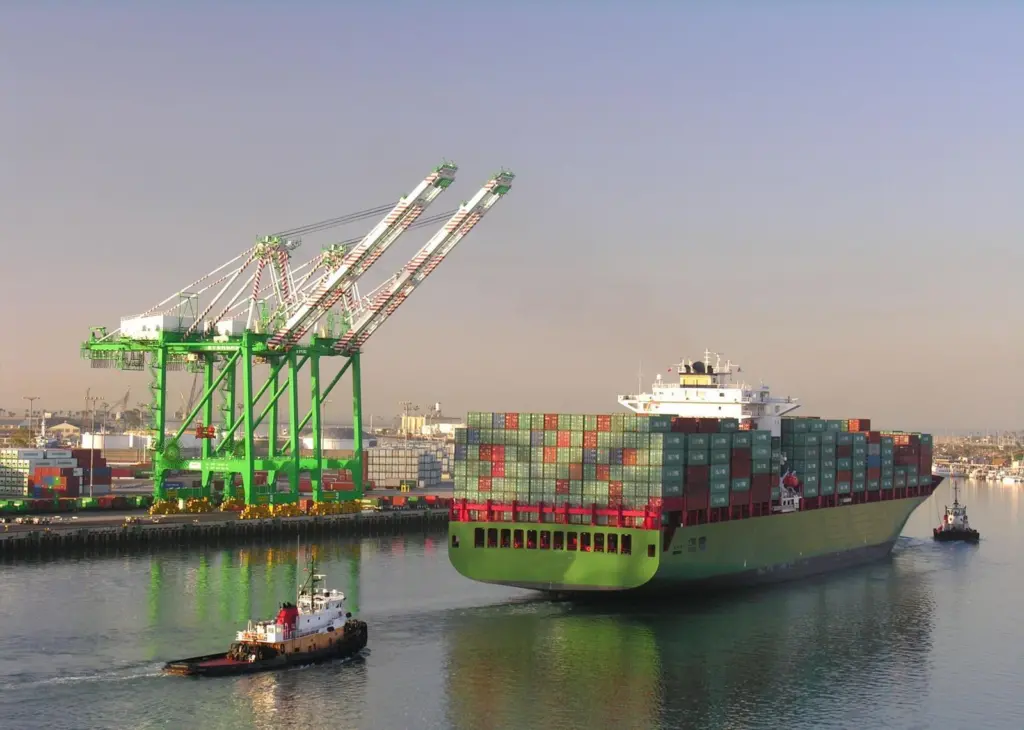
The new regulation requires all ocean going vessels within Californian waters and 24 nautical miles from the shoreline to achieve sulphur emissions levels of at or below 0.1% for both marine gas oil and marine diesel oil.
California’s ports are among the most tightly regulated when it comes to emissions and the environment – therefore they’ve had to be ahead of the game in terms of getting greener.
Phillip Sanfield, spokesperson for the he Port of Los Angeles, said that it has been focusing on preparing its terminals for the new shoreside power regulations. By the end of 2013, the Port of L.A. will have gone from 9 berths with AMP (Alternative Maritime Power) capabilities to 26 berths.
“Each container terminal – and the Port’s cruise terminal – will have multiple shoreside power berth capability. The port has invested more than US$180m in this effort and as a result, POLA will have more shoreside power capability than any other port in the world,” he said.
POLA’s efforts fit in with its ‘Clean Air Action Plan’ goals of reducing emissions from all sources at the port to keep it in line with the new Californian clean air regulations.
Mr Sanfield said: “Besides the significant investment in infrastructure, we continue to work with our customers to assist them in getting their vessels ready. The port continues to work with technology providers to examine other available technologies to reduce berth emissions for ships that may not have the ability to plug into shore power.”
Related Articles
 ALTERNATIVE FUELS GREENPORT
 OPERATIONS
 ALTERNATIVE FUELS GREENPORT