![PortStrategy[GreenPort]](https://www.portstrategy.com/wp-content/uploads/2026/09/PortStrategyGreenPort.svg)



Emissions monitoring boost in Brazil
Emissions monitoring has been given a boost at a Brazilian port that plans to implement the Environmental Ship Index (ESI).
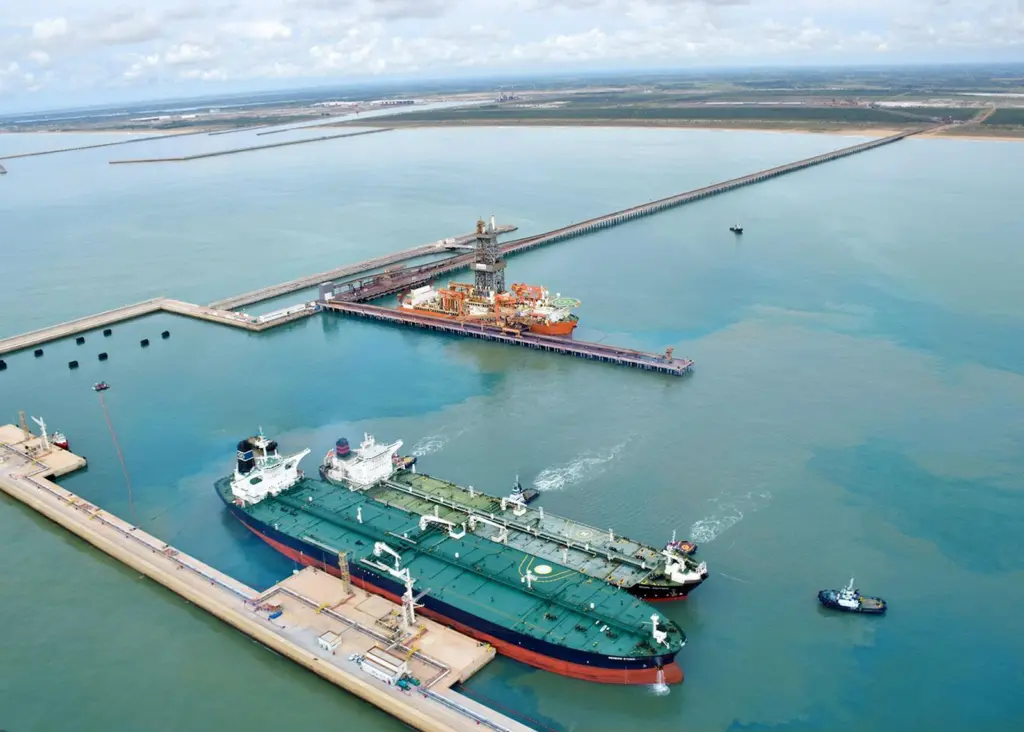
Starting in 2021, the Port of Açu will use the ESI, which rates vessels that exceed the emission standards established by the International Maritime Organization (IMO). Ships that perform better than required by the current environmental standards, including greenhouse gas emission levels, will have access to preferential port tariffs.
“We have world-class port infrastructure and capacity to welcome the largest ships in the world. By adopting the Environmental Ship Index, we make it clear that Açu is committed to participating in the global effort to reduce emissions,” explained José Firmo, CEO of Porto do Açu Operações, the Prumo subsidiary that operates and manages the Port of Açu.
The global ESI project is headed by the World Ports Sustainability Program (WPSP), created by the International Association of Ports and Harbors (IAPH).
Açu started operations in 2014 and is the only 100% privately-owned port in Brazil. In 2019, its private terminals handled 43m tonnes. The port has the third largest iron ore terminal in Brazil, is responsible for 25% of Brazilian oil exports, is building the largest thermoelectric power enterprise in Latin America and is home to the largest offshore support base in the world.
The international shipping industry is estimated to account for 2% to 3% of greenhouse gas emissions in the world. Crude oil, coal, iron ore, grains, and other bulk commodities represent more than 80% of global maritime trade.
Related Articles
 ALTERNATIVE FUELS GREENPORT
 OPERATIONS
 ALTERNATIVE FUELS GREENPORT