![PortStrategy[GreenPort]](https://www.portstrategy.com/wp-content/uploads/2026/09/PortStrategyGreenPort.svg)




GHG reduction efforts look positive
Green Marine data from shipowners tackling emissions has shown an average annual reduction in GHG intensity of 1.4%.
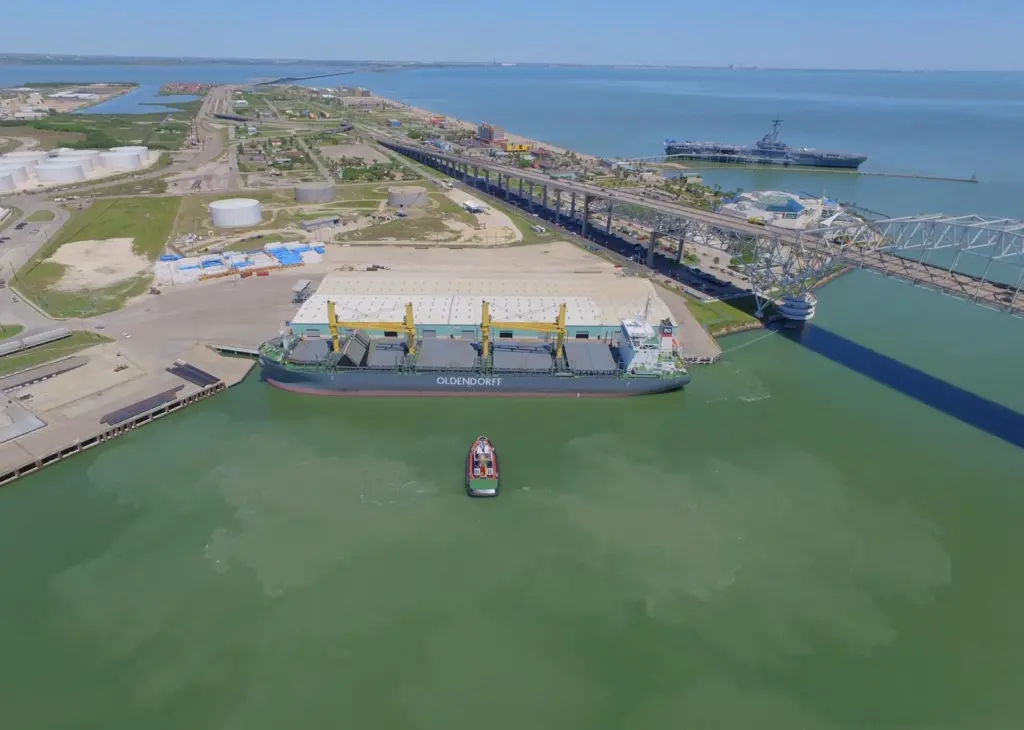
The figure was generated from more than 250 participants in Green Marine’s environmental certification programme, as part of a carbon dioxide equivalent (CO2e) emissions data gathering and analysis initiative to better gauge the programme impact since it launched 10 years ago.
David Bolduc, Green Marine’s executive director, said: “The results clearly illustrate that ship owners are improving their energy efficiency in keeping with Green Marine’s core tenet of continual environmental improvement.”
Operational changes
To reach an average annual reduction of 1.4%, shipping companies had to implement significant changes to their operations, Green Marine said. These include hull cleaning and propeller polishing, weather routing, loading for trim optimisation, voluntary speed reductions, and preventive engine maintenance.
Owners of more than 250 vessels took part in the initiative and the compliance and accountability demonstrated are expected to help other participants, including ports, seaway corporations, terminals and shipyards, to achieve their reduction goals.
Participants had to provide emissions data from a baseline year and from 2016. They subsequently each calculated their average GHG emissions for a period varying from 2-8 years.
Aggregated results
The results were aggregated by percentage of reduction as shipowners used different methods of measurement.
More than 40 ports in North America and Canada are signed up to the scheme.
Green Marine is a supporter of GreenPort Congress America, which takes place in Baltimore, Maryland in May.
Related Articles
 ALTERNATIVE FUELS GREENPORT
 OPERATIONS
 ALTERNATIVE FUELS GREENPORT