![PortStrategy[GreenPort]](https://www.portstrategy.com/wp-content/uploads/2026/09/PortStrategyGreenPort.svg)




Investing in renewables
Renewable energy, shore power and LNG are amongst the investment areas of one US port.
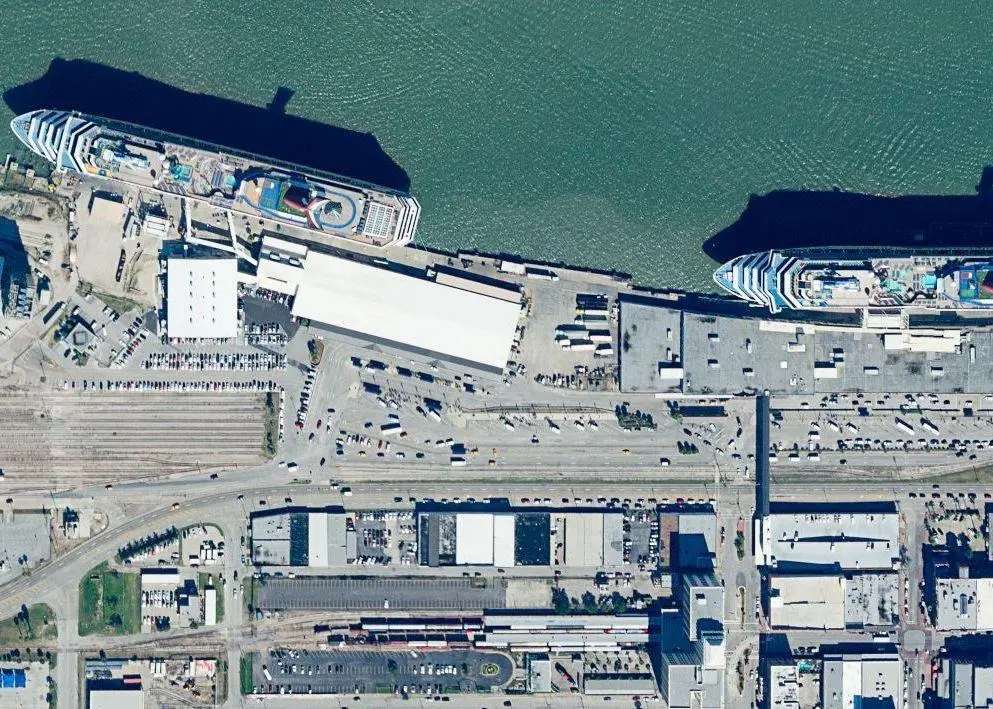
Having been certified by Green Marine in June, the Port of Galveston in Texas is currently researching, planning and implementing a number of environmental programmes.
“Joining Green Marine helps the port identify and implement best practices, manage our environmental initiatives, measure our progress, and strive for continuous improvement,” said Rodger Rees, port director and chief executive officer for the Port of Galveston.
Renewables and shore power
The port has set out a plan to fully transition within five years to electricity providers who use sustainable power sources.
It has partnered with the marine-research focused Texas A&M University at Galveston on an extensive cost-benefit study that includes the port’s costs to install shore power infrastructure, estimated demand over the next 5-10 years and financing opportunities.
Separate from the study, the port has partnered with Royal Caribbean International (RCI) to determine the feasibility of providing shore power to RCI ships at the port-owned US$110m cruise terminal, designed, and currently being built by RCI for opening in 2022.
The terminal is designed to meet LEED (Leadership in Energy and Environmental) certification standards. To be LEED certified, the building must meet a global set of health, efficiency and sustainability standards.
LNG bunkering
The port has the opportunity to be the area’s first LNG fuel production and bunkering provider. The operation would be based on Pelican Island and supply ships calling on the ports of Galveston, Houston and Texas City.
Several waste reduction initiatives have been implemented at the port, including recycling programmes and the purchase of sustainable paper products. The port has also implemented an environmental policy that gives preference to buying products made of recycled materials and considers vendor environmental practices in its selection process.
The port is also looking at adding alternative fuel vehicles to its fleet and installing electric vehicle charging stations in its cruise parking lots.
Related Articles
 ALTERNATIVE FUELS GREENPORT
 OPERATIONS
 ALTERNATIVE FUELS GREENPORT