![PortStrategy[GreenPort]](https://www.portstrategy.com/wp-content/uploads/2026/09/PortStrategyGreenPort.svg)


Port of San Diego Clean Air Program Moves Forward
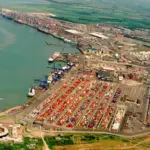
Citing a need to improve air quality in neighbourhoods adjacent to its two marine terminals and cruise ship terminal, the Board of Port Commissioners approved a recommendation from its Environmental department to proceed with a Clean Air Program.
The Draft Clean Air Program was presented at Tuesday’s Board meeting and outlined four ways to reduce pollution. These include using shore power for ships (also known as cold ironing), rather than diesel engines for power while in port, replacing or retrofitting older-model trucks, replacing or retrofitting older-model equipment used to handle cargo and reducing the speed of vessels traveling to and from San Diego Bay. In January 2007, the Port did an inventory of pollution generated from Port operations. This included the Port’s two marine terminals and the B Street Cruise Ship Terminal. The study found that vessels such as cargo ships and cruise ships generated the highest amount of air emissions. Big rig trucks doing business at the terminals also were a factor. After identifying the emission sources, the Port’s Environmental team looked at current and pending regulations developed by the California Air Resources Board and the Environmental Protection Agency. The team worked with a stakeholder work group comprised of representatives from the community, local government, labor, regulatory agencies, marine terminal operators, railroad and other organizations to identify methods to reduce the air emissions. The Port will continue with stakeholder outreach to determine how the measures should be implemented. The feasibility of whether they should be Portmandated or voluntary will be studied. In addition, the Port will look for grants, such as Proposition 1B, which is associated with the movement of goods to and from California ports. An update on progress is expected to be given at the March Board of Port Commissioners meeting.
Related Articles
 ALTERNATIVE FUELS GREENPORT
 OPERATIONS
 ALTERNATIVE FUELS GREENPORT