![PortStrategy[GreenPort]](https://www.portstrategy.com/wp-content/uploads/2026/09/PortStrategyGreenPort.svg)


Port of Santa Marta’s efforts in protecting the environment
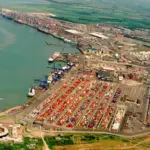
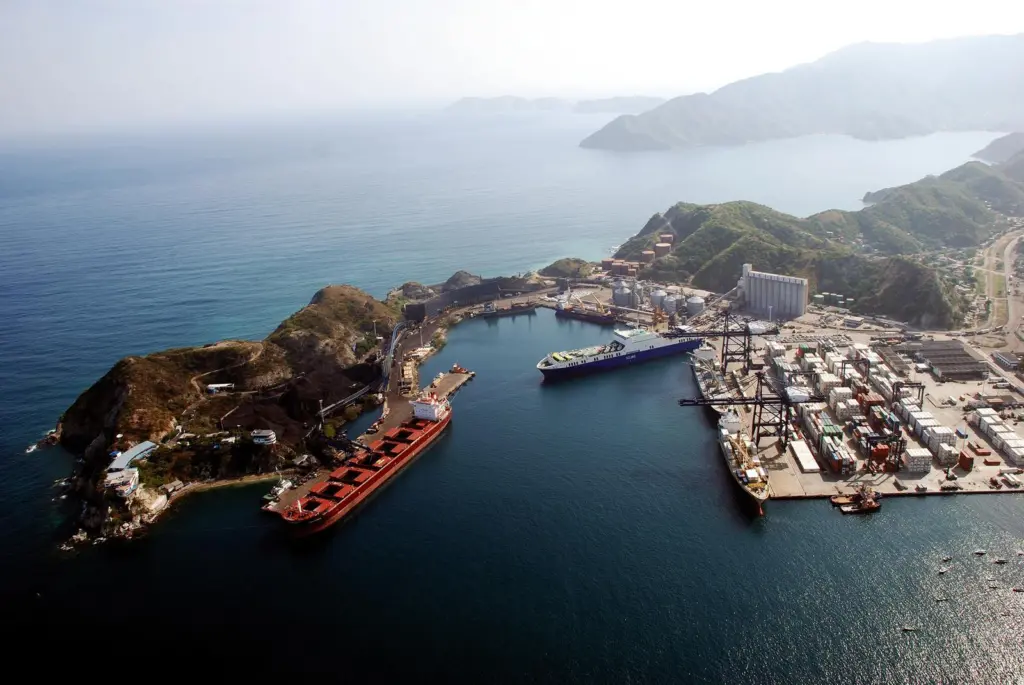
The Port of Santa Marta is a multipurpose logistics port with three specialised sub-terminals handling containers, break-bulk and coal. It is surrounded by the National Natural Park ‘Tayrona’, a sanctuary of biodiversity and the showcase of the country to the world. These natural resources and riches make of Santa Marta a city with a twofold purpose: tourism and port industry, says Mauricio Suarez, General Manager, Sociedad Portuaria Regional de Santa Marta.
I Play Football in Santa Marta with El Pibe (“The Kid”)
Historians say that football arrived to Santa Marta through the sea port. There are conflicting versions of this story, but the truth is that this sport has been and remains one of the great passions for the people in Santa Marta, Colombia. So much that on a table in a New Yorker bar, in a fancy restaurant in Paris, near the London Bridge in London or along the canals in Venice, many people will know who Carlos Alberto Valderrama Palacio “El Pibe” is. And “The Kid” is, by excellence, one of the symbols of Santa Marta, and obviously, a great symbol for Colombian football.
Men in Santa Marta learn to play football from a young age, kicking the ball at 86 °F, very close to the sea and on an underground that makes it tough to master the ball. So they learned to play El Pibe (‘The Kid’) with other children like on the field named ‘La Castellana’ (The Castilian Lady), located in a popular district of Santa Marta, widely known in Colombia as ‘Pescaito’ (Little Fish). The football field “La Castellana” was built on the initiative of leaders and athletes from Santa Marta to the need for a proper location for children to learn to play. It was on 12 February 1954, one year after the creation of the local football team ‘Union Magdalena’, when several notable leaders of the city decided to take the first steps to build it. As from that moment, this would be the place where big football stars from Santa Marta where would be made and of course, that field, saw “The Kid” being born to become the brightest star.
The Port and Football The port is not far from the area ‘Pescaíto’, and while the children of El Pibe surely play little football games with their friends in the neighbourhood, cargoes of bananas, coffee, beans, oil and, especially, coal enter and leave the city. Through the shipment arrive also the latest music and new football balls, which surely end up in Pescaíto.
The relationship between the port and the city has been almost like a courtship. That is also why the port decided that the city deserved the best gifts: its flagship improved the stadium so the next little Pibes have a decent place to kick the ball until exhaustion.
This is how the Port Company of Santa Marta, due to the signing of an agreement between the City Hall and Ecopetrol and an investment of two million dollars towards the subject, started late last year and delivered to the city as part of their social responsibility policies, a field with synthetic turf, FIFA measures, lighting, bleachers and a number of details, or ‘how to leave any bride breathless’.
Today the football field “La Castellana” is the training place for 14 football schools that are currently welcoming 500 children around Santa Marta, which is undoubtedly a contribution to the construction of core values for the children and youth of the city.
SPSM The Santa Marta Port Company (SPSM ) is located in a strategic area for the country: the Sierra Nevada of Santa Marta (Santa Marta’s snowy mountain range), Cienaga Grande (The Big Marsh), Tayrona Park, the bay and the city, are part of its environment. The port’s cargo is ranging from food such as bananas, coffee and grains, to heavy machinery and coal. Their environment and their environmental commitment have been decisive for the SPSM implementing policies to reduce the environmental impacts of its operations.
Initiatives such as the direct loading of coal, in which $27 million dollars where invested in 2003, the efficiency of water use, emissions control, mitigation of impacts related to port activities, among others, have made the difference. Indeed, we are about to meet our goal to transform the port of Santa Marta in a place renowned for the respect for the environment. The Port of Santa Marta is different from all ports of Colombia because it’s the only one with a natural draft that can berth large vessels. Today the port is a multipurpose terminal with high levels of efficiency, quality and technology that enables movement of different types of cargo such as coal, coffee, vegetables, bananas, and dry or liquid bulk.
The shipment of coal in Santa Marta was from the beginning a very controversial point for the community. The heart of the debate between environmentalists and the coal industry, the hotel industry and fishermen in the region responded to the environmental and the social impact that the export of coal barges means to the system. In 2003, the Port Company of Santa Marta took the moral obligation to implement the direct loading of coal to become a national model of sustainability. For a year and a half, high infrastructure works where carried out to finally implement the direct loading of coal at a cost of $ 27 million dollars, thus anticipating the government regulations and assuming moral responsibility demanded by the environment.
This experience was adopted by the national government and signed into law up to 2014 that all Colombian coal exporting ports must implement direct shipment. SPSM has implemented strictly sustainable policies that have had significant acknowledgments of international organisations such as the American Association of Port Authorities (AAPA), who highlighted SPSM as the only port in Colombia with policies of load operation of coal that are consistent with the environment. In 2006 the port received the ISO 9001 certification related to quality management systems and ISO 14001 international environmental management standard by the SGS certification house. Greater recognition can be achieved by demonstrating how the port is home to the Coral Sea, the Bay of Santa Marta, which is located a few meters from the coal loading area and which is unaffected by port operations.
Santa Marta Keeps On Dreaming While the port company continues to implement green technologies and to be a model for other ports of the country, children from Pescaito still play football in La Castellana.”The Kid” will sometimes look at them from the stands with his sunglasses and coloured shorts. He will look at them patiently, analysing with scientific eye (Hawk eyes) passing and dribbling, searching for the one, among them, to become his successor.
And while the kids from Santa Marta are still dreaming of becoming great football players, hundreds of ships set sail from the port heading to Istanbul, London, New York, Paris or Sydney where other kids will surely dreaming of becoming idols.
Related Articles
 ALTERNATIVE FUELS GREENPORT
 OPERATIONS
 ALTERNATIVE FUELS GREENPORT