![PortStrategy[GreenPort]](https://www.portstrategy.com/wp-content/uploads/2026/09/PortStrategyGreenPort.svg)


Power shortage fears
Address adequate energy grid supply or impede ports’ ability to move cargo, says a new report.
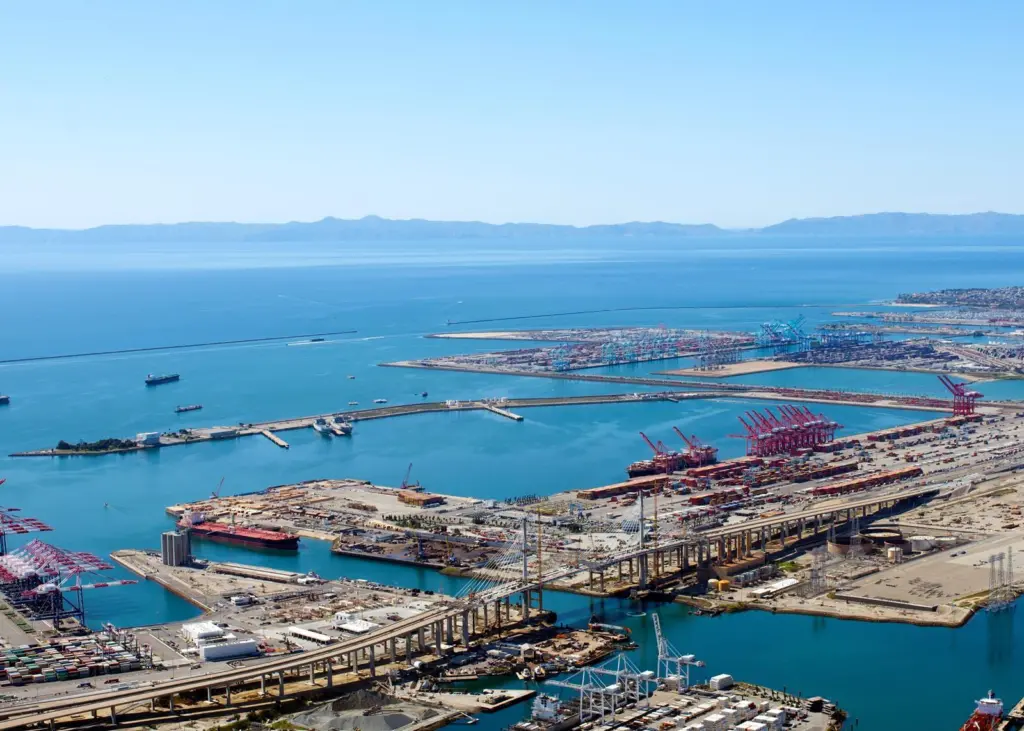
The report from engineering consultants Moffat and Nichol calls for Californian state policies requiring the port supply chain to transition to zero-emission technologies by 2035 to be revised to tackle the issue and build resiliency.
“As federal and state elected officials consider infrastructure improvements, California public officials need to review state energy and environmental policies to ensure that California jobs and businesses are not put at risk,” said John McLaurin, president of the PMSA.
Grid requirements
The report examines the energy grid requirements for vessels and the landside equipment that move cargo between the vessel and inland destinations.
It concludes that the state’s goal of reaching zero-emission power generation will require an enormous demand and growth in power supply.
With the grid already stretched to its limits, the report indicates that power demand will dramatically grow at the ports. There is considerable risk that the transition to all-electric power creates could outstrip the ability to reliably deliver power to California’s ports without careful planning.
Cargo moves in and out of the ports on a seasonal basis and during the peak season, prior to the holidays, operations at the ports ramp up considerably.
According to Moffat and Nichol, seasonable demand requires a power system that has sufficient electric power in the evening when solar is not available.
These are power requirements equivalent to powering 390,000 households or utilising 50% of the output of one of the reactors from the Diablo Canyon Nuclear Power Generating Station that is scheduled to be shut down by 2025 as demand ramps up.
Related Articles
 ALTERNATIVE FUELS GREENPORT
 OPERATIONS
 ALTERNATIVE FUELS GREENPORT