![PortStrategy[GreenPort]](https://www.portstrategy.com/wp-content/uploads/2026/09/PortStrategyGreenPort.svg)





Reinventing cargo flow
Two industry players have joined forces to build supply chain resiliency and reinvent cargo flow.
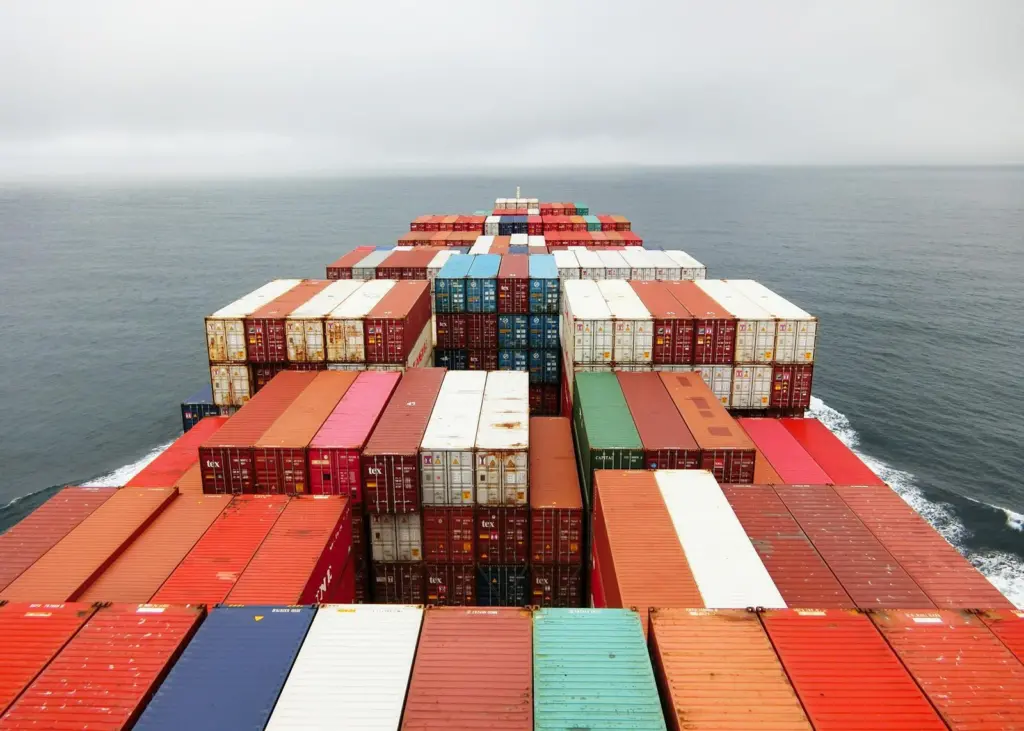
PSA Corporation Ltd (PSA) and PT Samudera Indonesia Tangguh (Samudera), an Indonesian shipping and logistics group, have signed a Memorandum of Understanding (MoU) to work towards exploring innovative ways to promote cargo connectivity and efficiency, and bring about greater visibility to the supply chain and logistics value chains.
Ong Kim Pong, regional CEO Southeast Asia at PSA International, said: “We are pleased to look beyond the horizon and work with our steadfast partner, Samudera, in this endeavour to reinvent cargo flow and achieve supply chain excellence. Our joint effort to fortify logistics and supply chain connectivity for greater value will ensure a resilient and sustainable ecosystem which will thrive in uncertainty. PSA remains committed to grow new capabilities and drive supply chain orchestration, strengthening the trust in Singapore as an efficient logistics and supply chain management hub.”
What’s the focus?
The collaboration in cargo solutioning includes the development of trade corridors between Indonesia and Southeast Asia, and beyond, to provide multi-modal services, freight forwarding, warehousing and trade financing services. PSA and Samudera will also work together to create innovative supply chain products for sectors such as cold chain management and e-commerce.
To enable the future of work in supply chain management, the two partners will look to explore the use of PSA’s global supply chain digital platform, CALISTA, to bring together key physical, regulatory and financial services for Samudera’s customers. This will enhance cargo connectivity, create logistics agility, and promote greater efficiency and transparency across the wider supply chain ecosystem.
Bani M. Mulia, CEO of Samudera, said: “Indonesia being the largest economy in Southeast Asia has huge potential to grow exponentially should it succeed in unlocking bottlenecks in its logistics and supply chain infrastructure.”
Related Articles
 CONCESSIONS & INVESTMENTS
 CONTAINER & CARGO HANDLING
 TERMINAL OPERATIONS