![PortStrategy[GreenPort]](https://www.portstrategy.com/wp-content/uploads/2026/09/PortStrategyGreenPort.svg)





Resuscitation measures reach Chinas heart
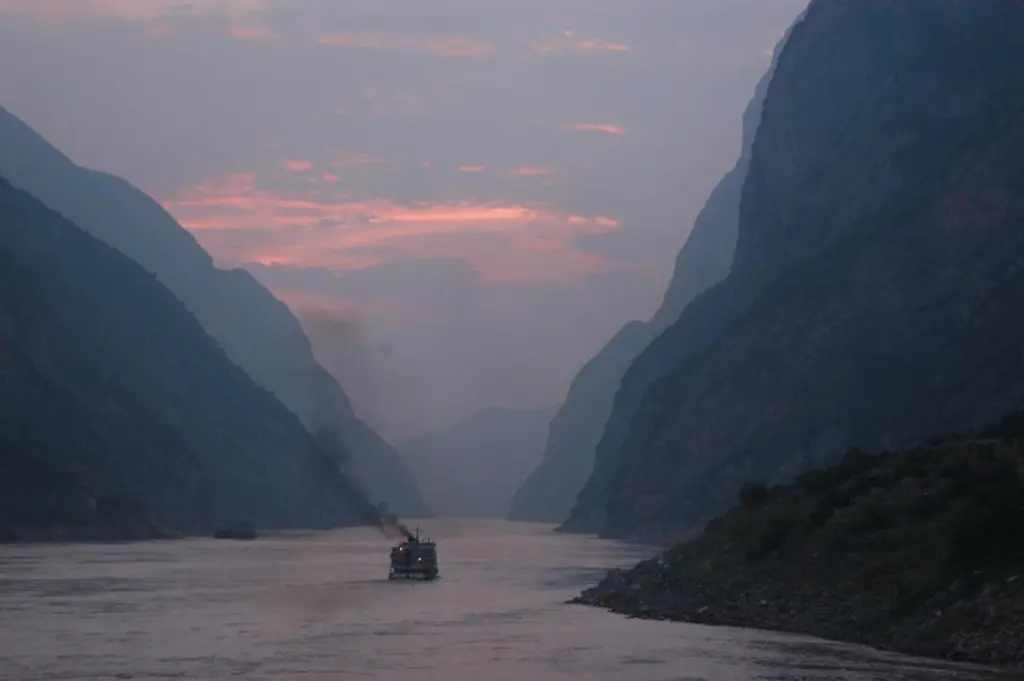
Official figures confirm a move to invest in Chinas relatively undeveloped interior has halted the sharp decline in cargo throughput at ports along the Yangtze River, bringing a January year-on-year increase of 5.7% to 80m tonnes.
David Lammie, director of Yangtze Business Services, tells
Port Strategy
that although “Yangtze throughput reached 1.15bn tons in 2008, up 9.2% over the previous year” this was followed by “zero growth in September, and falls of 17% in October, 21% in November and 30% in December” taken year-on-year – which makes the January sprint all the more impressive.
The newly released figures also put container throughput up by 19.6% to 550,000 teu.
Higher levels of government spending to construct railways, roads, bridges and metros are driving the demand for imported iron ore and construction steel, two of the major commodities shipped on the Yangtze.
This is partly fuelled by the reconstruction efforts in earthquake-torn Sichuan province, and partly pushed by state investment aimed at balancing investment in the relatively immature central and western areas with the highly developed – and now expensive – east coast.
Projects to improve shipping conditions on the Yangtze are also making the river a more viable mode of freight transport, as are plans to beef up the rail network from 16,000km to 41,000km – including the Chongqing-Guizhou and Guizhou-Guangzhou lines – which link key ports to the centre of the region.
Mr Lammie also pointed out that the accelerated investment in rail, road and waterway projects along the Yangtze corridor may well shift the pattern of imports as reduced supply chain costs to China’s interior also boosts the region’s cargo traffic.
Related Articles
 CONCESSIONS & INVESTMENTS
 CONTAINER & CARGO HANDLING
 TERMINAL OPERATIONS