![PortStrategy[GreenPort]](https://www.portstrategy.com/wp-content/uploads/2026/09/PortStrategyGreenPort.svg)





Port operator is “cautiously optimistic”
A major global port operator has said it plans to continue building its global terminal network and search for opportunities to acquire overseas terminals as it published its financial results for the six months ended 30 June 2019.
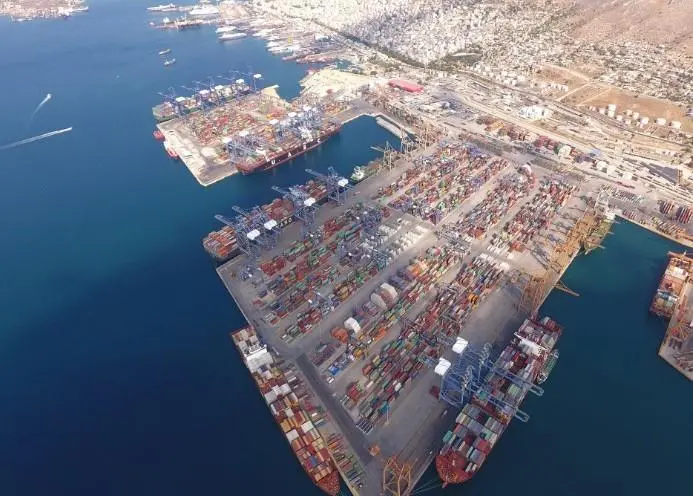
Revenues of the COSCO SHIPPING Ports Ltd Group from January to June 2019 amounted to US$517,915,000, a 4.5% increase compared with the corresponding period last year. COSCO SHIPPING Ports said it is “cautiously optimistic for the whole year”.
One of the biggest revenue earners was Piraeus container terminal. “Piraeus Terminal saw an increase in its throughput as compared with the corresponding period last year, recording revenue of US$127,949,000 for the first half of 2019, a 14.8% increase compared with the corresponding period last year,” said COSCO SHIPPING Ports.
Piraeus development delay
Piraeus Port Authority (PPA), majority owned by COSCO SHIPPING Ports, saw its investment plan stalled last year when the Greece shipping ministry delayed a decision on its development, which included a new cruise ship terminal, a mall and four hotels within the port. In August, PPA submitted a revised master plan to be reviewed by the ministry.
For the first half of 2019, Guangzhou South China Oceangate Terminal saw an increase in its throughput as compared with the corresponding period last year, recording revenue of US$81,507,000 for the period, a 5.5% increase compared with the corresponding period last year.
Furthermore, the CSP Spain Group saw an increase in its throughput for the period as compare with the corresponding period last year, recording revenue of US$145,459,000 for the first half of 2019, a 3.0% increase compared with the corresponding period last year.
In addition to focusing on development of the Chancay Terminal project and its terminal extended business, the company stated: “Actively taking advantage of the favourable opportunities in both the domestic and overseas arenas, COSCO SHIPPING Ports has been deploying its port assets along the route of the Belt and Road initiative.”
Related Articles
 BULK HANDLING
 BULK HANDLING
 BULK HANDLING