![PortStrategy[GreenPort]](https://www.portstrategy.com/wp-content/uploads/2026/09/PortStrategyGreenPort.svg)






A bank for the world
Ports are a small part of the World Bank’s overall loan book, through both its private sector lender the IFC and the IBRD.
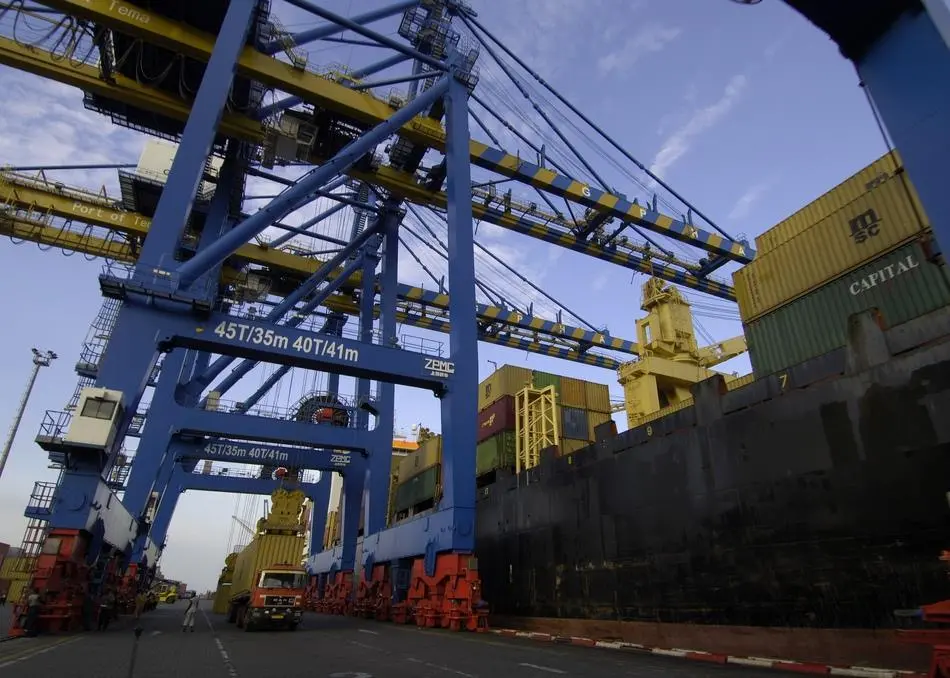
Overall transport sector lending is between $5bn and $6bn a year (15%-20% of total lending), with half going on roads, 25% on urban projects and 20% on railways, leaving only 5% for ports and other transport projects.
“We are rarely involved in direct financing for ports and tend towards concessional efforts such as Build Operate Transfer and PPP,” says Mark Juhel, sector manager for transport at the World Bank.
But beyond loans, the bank wields enormous influence as an impartial advisor. This role is hugely sought after throughout the world and projects have been known to be backed or abandoned on the strength of the bank’s assessments and its emphasis on the Triple Bottom Line.
As Mr Juhel says: “The world can no longer afford to emphasise one aspect of a project at the expense of another. If, say, a situation arises where a port says it can save $10m by ignoring coastal erosion, we will not get involved.”
This advisory role has expanded with the establishment of Reimbursable Advisory Services, available to all countries including those with per capita GDP above the threshold for access to IFC and IBRD lending services. Gulf States were among the first clients, while Greece has also called on the facility this year.
Related Articles
 CONCESSIONS & INVESTMENTS
 CONCESSIONS & INVESTMENTS
 CONCESSIONS & INVESTMENTS