![PortStrategy[GreenPort]](https://www.portstrategy.com/wp-content/uploads/2026/09/PortStrategyGreenPort.svg)





A bitter pill
Theres no room for drug or alcohol-induced errors in the harsh port environment, as Alex Hughes explains
Operating heavy specialist machinery that requires ridiculously precise levels of accuracy, berthing ships worth millions at quays worth just as much, working shifts around the clock seven days a week… there is no room for anything less than complete concentration for labour in the unforgiving port environment.
Operators need surety that their workers are not nursing a hangover from excess the night before their shift, or still feeling the effects of an illegal substance used at the weekend, when they clock in.
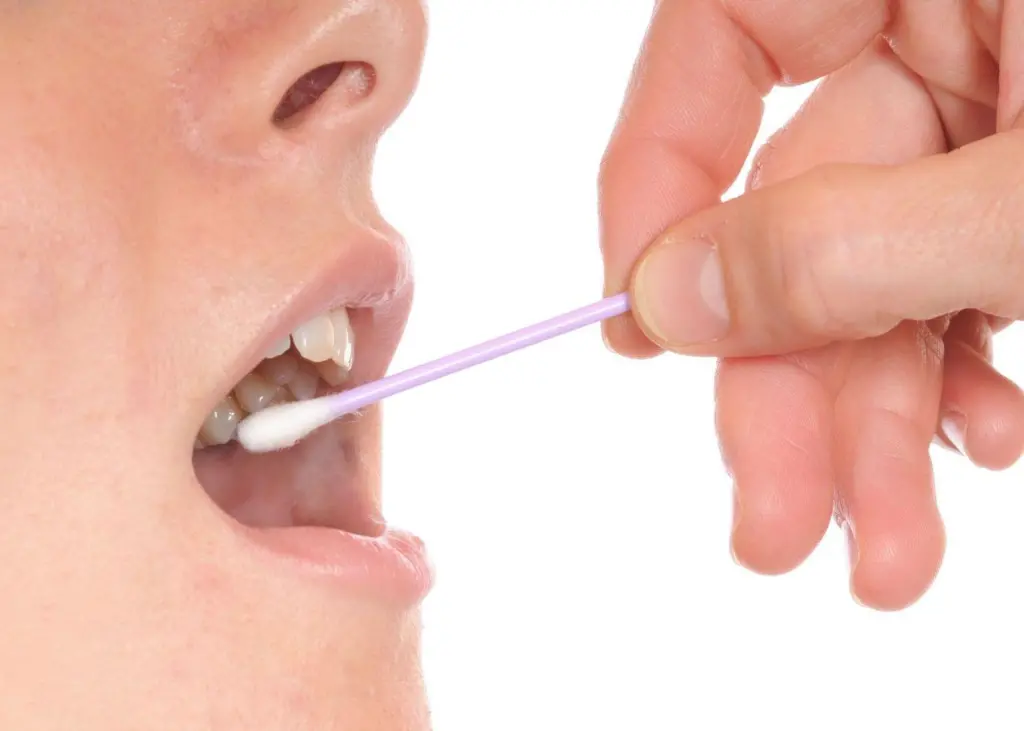
But there is no standard approach to drugs and alcohol screening at ports: random or planned; oral swabs or urine tests; pre-employment or post-incident?
Ports in New Zealand have set an international precedent for drugs and alcohol screening in that all of them either already have a programme in place or are in the process of implementing one.
Zero harm
Ports of Auckland Limited (POAL) introduced its own drugs and alcohol screening programme in February this year. General manager operations, Raoul Borley, explains that the move was motivated by a wish to be a zero-harm workplace – the port has grown increasingly anxious about the increased risk of access to drugs such as methamphetamine, more commonly known as crystal meth.
He points out that other New Zealand ports have already introduced similar programmes with all now undertaking random testing.
EastPort relies on urine samples; Northport and CentrePort using oral tests, with urine samples taken for non-negative results; Napier prefers oral testing; and both Lyttleton and SouthPort have opted for urine samples.
“We had been wanting to implement changes for some time and had been in discussions with the unions for many years,” says Mr Borley. However, the largest port union was not initially in favour of the measure and changed its mind only recently, albeit it still has reservations and only remains in favour of oral swabs as a method of testing.
“Our preferred method is urine testing as this is the only way to effectively reduce risk and identify use,” says Mr Borley. “Oral swabs only detect some drugs and very recent use. When you consider that one of the highest risks identified is fatigue from use of methamphetamine days after use, oral swabs just don’t cut it.”
Incident assistance
Despite some resistance to the new programme, pre-employment drug and alcohol screening has been in place for many years, while POAL has also had the ability to carry out post-incident testing.
Anybody caught abusing substances is not routinely dismissed, with Mr Borley commenting that, “as a responsible employer, we offer rehabilitation services to all employees”. Since the introduction of the policy – which covers all port users, including contractors – there has only been one random test so far, which produced no non-negative results.
There are concerns that the introduction of screening programmes could affect staffing levels, and star performers might walk out the door if they do not agree with the often contentious arrival of substance screening.
POAL concedes that this is a risk, but it’s one “we’re willing to take to achieve zero-harm. The risk of drug and alcohol related accidents is wholly unacceptable.”
No tolerance
For those ports wishing to introduce a substance screening programme, he says that, in his view: “There should be no tolerance of substance use or abuse in potentially dangerous environments like ports. If ports have the ability to introduce a policy like this, they should do so.
“Otherwise, they should start by consulting with staff and raising the awareness of the dangers associated with working under the influence or working alongside others under the influence (of drugs or alcohol).”
The Port of Tauranga is also to introduce a drugs and alcohol screening programme by the middle of the current year. However, it first needs the agreement of two trade unions. While organised labour is not in principle against such a move, difficulties have surfaced over the preferred testing method to be adopted. A port authority spokesperson says its preferred approach would for random testing, but for port unions this remains a major sticking point.
For the union negotiators, even more controversial is the method of testing adopted. The Rail and Maritime Transport Union favours the testing of mouth saliva to detect whether a worker is safe to be on the job. Urine sampling, it argues, will still show traces of drugs such as cannabis even though they were last used three weeks previously and this might have been while the port employee was on holiday.
Saliva sample
Wayne Butson, the union’s general secretary, stresses that a saliva sample effectively shows whether an employee is fit to carry out required tasks on any particular day, whereas a urine sample opens “a window into the lifestyle of the person for weeks, if not months”. He insists: “If you want people to be safe at work, saliva does that.”
According to the union, saliva testing is preferred given that it is the least invasive. Furthermore, it only reveals what drugs and alcohol that a person has consumed over the previous 12 hours or so. Saliva testing additionally shows up amphetamine use, which is not always the case with urine samples.
As for random testing, although this is now standard in other ports in New Zealand, it has been introduced on the understanding that positive tests would not lead to dismissal of a worker, but would rather ensure that they were place on a rehabilitation programme.
The other port union, the Maritime Union, remains wholly opposed to random testing, stressing that a saliva test should only be carried out if genuine cause is given, such as a worker showing signs of impairment.
US lag
Ports in New Zealand are very much in the vanguard compared to some in the US.
One US West Coast port contacted by Port Strategy was told that no drug testing of port employees takes place. Nevertheless, workers employed by contractors on major capital projects are required to undergo testing and this is mandated as part of a specific Project Labor Agreement.
“The motivation for testing is safety on port construction projects,” notes a port spokesperson.
Both urine samples and breath tests are used to check for alcohol. However, saliva testing is not done.
“The urine test is more accurate and allows you to test for a wider panel than saliva. Also, by using the breath test for alcohol, we are able to detect if someone may be under the influence or impaired,” said the port spokesperson, adding that workers are effectively being tested for both long-term and recent usage of substances.
Trade unions have been generally supportive of the programme, especially given that drug testing is very common in the US construction sector.
“We perform random and post-accident and/or reasonable suspicion testing. In addition, we test prior to the non-port employees coming onto the jobsite. The workers are aware that they will be tested and so most who may test positive self-select.”
Significantly, around 5%-7% of workers either fail the test or simply refuse to undergo testing.
Related Articles
 CONCESSIONS & INVESTMENTS
 CONCESSIONS & INVESTMENTS
 CONCESSIONS & INVESTMENTS