![PortStrategy[GreenPort]](https://www.portstrategy.com/wp-content/uploads/2026/09/PortStrategyGreenPort.svg)





A privatisation affair
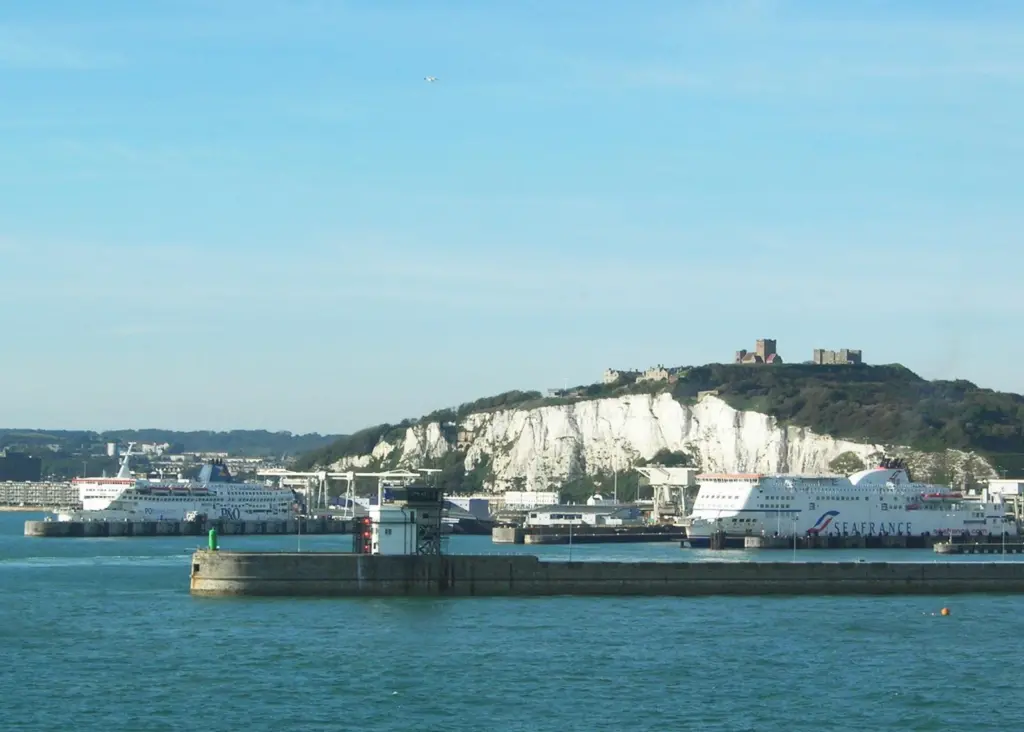
Dover is snatching the headlines in the debate over the privatisation of trust ports – but many others could be in the “firing line” and are anxious for legal advice and support.
What are the options open to them? What are the best routes (if any) to private ownership, and what are the pitfalls? Can privatisation be resisted?
“We have been getting a lot of questions and interest from ports on this issue,” says Louise Gowman at LG.
“This isn’t something the big ports are worried about – they are on the other side of the fence and more interested in some of the opportunities. But trust and municipal ports are feeling the pressure.”
Trust ports had to submit their responses to the government’s trust ports review by the end of April, and inevitably May’s general election has caused a hiatus since then.
Dover has made it clear that privatisation is very much its target but others are not convinced. Earlier this year, for example, Harwich Haven Authority chairman Tim Clarke suggested that rather than abolish the trust ports model, the Department for Transport would do well to replicate HHA’s example elsewhere.
“The big question is – is the proposal that Dover has submitted what everything else has to be?” says Louise Gowman. “Ports have been asking how they can be defensive. They are asking: what makes us stand out and look good, but not so good that we might be bought by somebody else?”
For ports that are looking to go down the privatisation route, it is not just a case of coming up with a plan and following it, she warns. “They cannot just do whatever they come up with. They have to find a statute to say they can form a company, set up a trust, etc. Some ports have constitutions going back a long way, while others have been updated. But in some cases, the powers they have are not wholly adequate to do all the things you might want to do if you were in the private sector.”
She says the 1991 Ports Act, under which privatisation could be carried through, is “an old-fashioned and inappropriate vehicle now”.
“Looking back at it from where we are now, the world has gone through PFIs and PPPs and partnerships, etc. Even the word ‘privatisation’ seems old-fashioned. The Act set out this way of privatising which is really a business pricing mechanism in which the government takes half of the proceeds. But one size doesn’t fit all. I think the Ports Act has run its course.”
The good news is that the Ports Act doesn’t have to be the only way – but the bad news is, the alternatives can be more challenging.
Municipal and trust ports are asking “what is out there” and what is available in terms of private sector partnerships, she says. But understanding the potential traps, especially in terms of land use and employment, is also essential.
Related Articles
 CONCESSIONS & INVESTMENTS
 CONCESSIONS & INVESTMENTS
 CONCESSIONS & INVESTMENTS