![PortStrategy[GreenPort]](https://www.portstrategy.com/wp-content/uploads/2026/09/PortStrategyGreenPort.svg)





Calling the shots
The devil is in the detail when it comes to accepting private equity funding, finds Stevie Knight
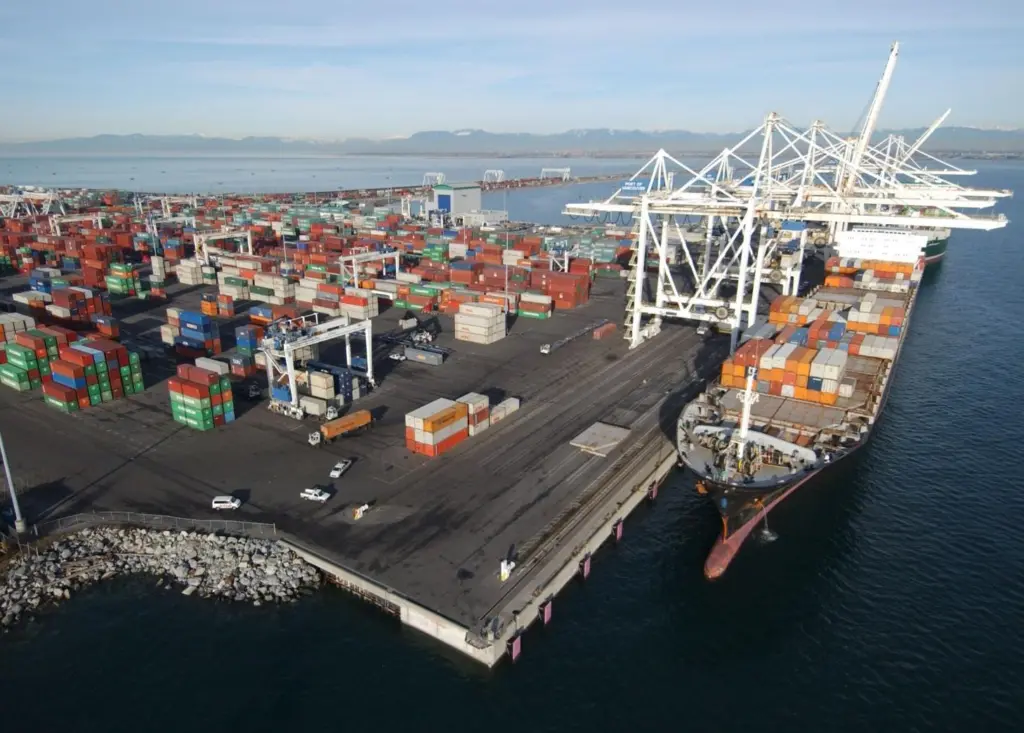
After being granted their independence many port operations found willing suitors with funds to help them develop, but the size of the wallet may not have much to do with long term commitment.
The twin drives toward efficiency and reduced government involvement have been pushing port operations into autonomy since around the time the container came into play, says Professor Alf Baird of Napier University’s Transport Research Department. It has generally been for the better “as governments tend to be pretty hopeless at running commercial entities”, he adds.
However, the new (and varied) relationships that sprang up as ports gained their independence have been fertile ground for tension, giving rise to some notable spats between the state authorities and private concessions – take, for example, the way PSA recently walked away from its Mumbai deal.
Handing over ports completely to the market is asking for trouble, says Prof Baird, and although a growing, changing scenario means ports are often looking out for investment opportunities, some offers are best treated warily.
Pension pay-outs
Pension plans and Private Equity Funds (PEFs) in particular really like the look of ports and terminals because while shipping is a little too risky these days, something with a real-estate angle which actually generates an income and is in a ‘business-friendly’ environment is very good news for them, explains Alistair Mackie of HFW.
And ports are attractive because, apart from pure transhipment, they often have a strong position in a local market with a very high bar to competitors.
Prof Baird adds that ports often too have tenants that are signed up long term and can’t easily move out, such as those with oil refineries or other processing plants. This makes it look like a rock-solid operation that has very little risk attached, at least over the medium term five year plan that most of these funds are interested in.
It’s no small potatoes either. For example, one signal move by the Ontario Teachers’ Pension Plan was its acquisition of four port terminals from Orient Overseas International Ltd (OOIL). Under the deal, OTPP paid approximately $2.4bn and assumed $60m of debt for OOIL’s four container port terminals: one in New York, one in New Jersey and two in British Columbia. This isn’t an isolated instance, either, and Prof Baird points to Morgan Stanley’s buying of 80% of the Montreal Gateway Terminal, Babcock & Brown’s interest in Teesport UK and Macquarie Bank’s investments in terminals in America, Canada, Poland and China to mention just a few. Mr Mackie adds: “Frankly, there are an awful lot of funds trying to find a home for their money.”
Sterile money
Prof Baird says that this isn’t “investment” in the normal sense of the word. Mr Mackie generally agrees, but his point is that since banks are generally less willing to lend in the current climate, port businesses sometimes need to look elsewhere for funding. “Private equity has more of a role to play therefore, although it is important to remember that this sort of funding is very different from debt finance or traditional equity funding,” he says, adding: “Your objectives are not necessarily going to be their objectives and you need to be aware of that from the start and structure your deal accordingly.”
This is another point that Prof Baird takes up: “The term, coined by social critic Paul Goodman is ‘sterile money’. It really doesn’t grow anything itself, and it can strangle the asset as the debt from the borrowed money is passed on to squeeze the user.”
He adds: “What a private equity fund buy-up means is that users are effectively paying for high levels of debt, without necessarily getting any assets in return. Normally debt means new port facilities, but not if it’s a PEF that’s holding the purse strings.” His point is that OTPP wasn’t trying to grow OOIL’s business, it was just putting down a payment on the port’s expected 30 year income.
According to Prof Baird, the most notable assumptions behind this is that the traffic volumes through a port will simply keep growing and that upward pressure toward high prices in a port will be swallowed by the lines. Plus, of course, that very little needs to be done to keep a port playing the part of the golden goose: “If these assumptions fail, then it’s not the traders that suffer; they have massive payouts for each deal they put together.”
Despite all this, Mr Mackie says: “Although funds tend to look to invest in a something stable and mature, they are not completely averse to upgrading equipment.” However, he explains that a lot comes down to timing. “These funds might well understand that a terminal needs new hardware but they simply won’t be interested in investment that looks beyond the term of their interest, which is often only around three to five years”.
Question of time
This matter of timing makes all the difference. He says if a fund invests in a port operation as it rises, knowing it will grow because of the location, they will be looking to cash out when it hits its peak but at this point all the parties concerned have gained on the investment. So what matters is managing the tension between a fund’s aim of getting out with a profit of around the 20% mark in three to five years and the ports need to grow the business.
So, Mr Mackie points out that a port has to be prepared for the fund’s exit – which can be fairly rapid if things don’t pan out and he underlines that a port has to understand funds “are not always in it for the long term and if there’s an opportunity to make a quick buck they will do it.
“Before you go in, the questions you have to ask are, ‘How long do they want to invest for? What is their exit strategy? What will be their policy on additional investments and business growth? What sort of control do they want over decision making and the business strategy? What kind relationship is it going to be and how much of a stake is being offered for that?’. Both parties need to enter the relationship with their eyes open and to try to deal with as many of these difficult issues up front,” he concludes.
In other words, make sure of the prenuptial agreement before you take on a proposal.
Related Articles
 CONCESSIONS & INVESTMENTS
 CONCESSIONS & INVESTMENTS
 CONCESSIONS & INVESTMENTS