![PortStrategy[GreenPort]](https://www.portstrategy.com/wp-content/uploads/2026/09/PortStrategyGreenPort.svg)





Konecranes job losses
Konecranes has begun statutory negotiations with its employees regarding temporary and permanent job losses to help reduce costs in a “weakened” market.
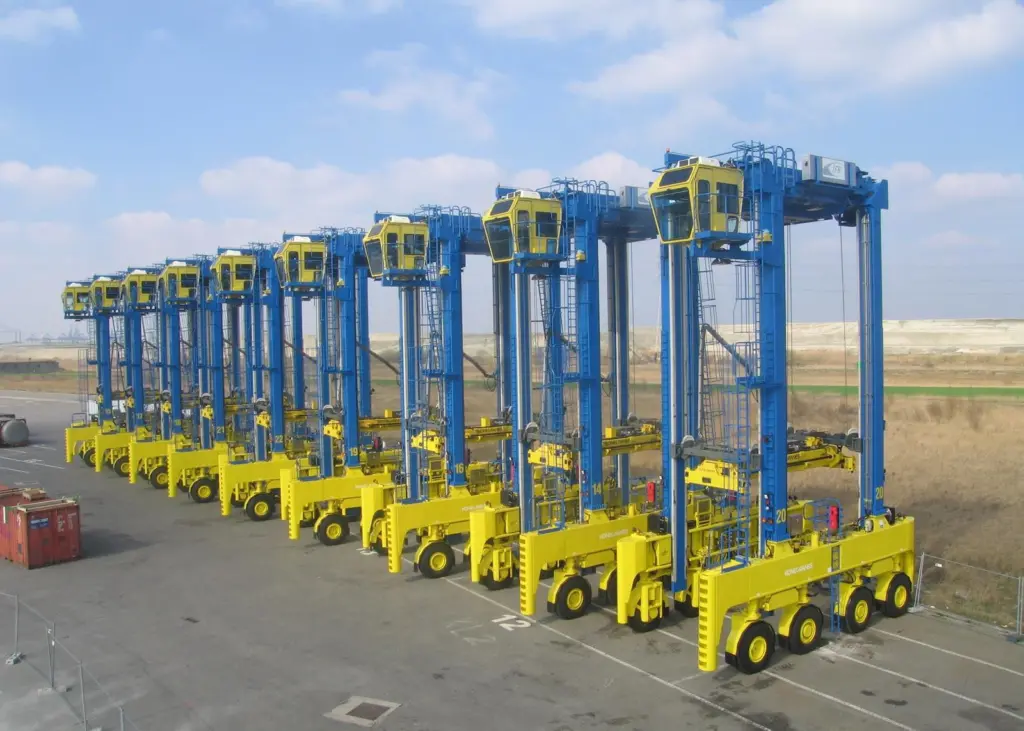
The company announced earlier this year that, in order to reduce its annual cost base by €30m before the end of 2014, it needs to reduce personnel levels.
The reductions will be made through permanent and temporary job losses and by early retirements and reducing the use of hired personnel and temporary employees.
Mikael Wegmüller, Konecranes, told Port Strategy that the statutory negotiations should take about six weeks and will be completed by the end of September 2013.
He said to PS: “The aim of the measures is to adjust the company’s cost structure and capacity to correspond with the current, weakened market situation and to secure Konecranes’ future competitiveness.”
Rather than being detrimental or disruptive to customers, Mr Wegmüller says that the process to improve the company’s efficiency will “support our focus and investment in technology, automation and customer service, all serving well our customers and their operations, both industrial and port”.
The actions are expected to affect 90 employees in Finland in terms of permanent redundancy and globally, a maximum of 600 people, through altered working patterns.
Konecranes began its cost cutting process earlier this year. In January, it closed its German Port Cranes business unit, along with its industrial crane manufacturing unit in Huvinkää, Finland and Vic, Spain.
Then in March, Konecranes laid off twenty permanent and nine temporary employees at its Finnish HQ, again as a result of the “weaker operating market”.
The company said back then that a further 350 jobs also hang in the balance if “market demand and factory capacity [do] not meet”.
Konecranes currently employs approximately 12,000 persons in 48 countries.
Related Articles
 CONCESSIONS & INVESTMENTS
 CONCESSIONS & INVESTMENTS
 CONCESSIONS & INVESTMENTS