![PortStrategy[GreenPort]](https://www.portstrategy.com/wp-content/uploads/2026/09/PortStrategyGreenPort.svg)






The banker’s view
Bankers still take the long-term view that ports are solid, long-term assets, says Berend Paasman, senior vice president, shipping, offshore and logistics, at DNB Bank – “but you want to see that cash flows can absorb drops in volumes, he says.
“People have learned; and they have seen that container volumes can go down, like in 2009. As a banker, you need to know that if you do take a reasonable hair cut of the projected port volumes, the borrower will still be able to pay the debt and at the end be able to be refinanced without too many difficulties.”
“Of course, a single terminal deal is generally more risky than a portfolio of terminals; a port that depends for a large proportion on transhipment is typically more risky than a port that services most to a certain hinterland. So, a port financing will become a better credit case if it a terminal is diversified with a spread of customers, shipping lines, types of cargoes etc; and if there is less transhipment.”
Looking back to 2006-07, this was the last peak not only for port finance but for many finance sectors, he says. There was a lot of liquidity in the market at the time, especially in the wave of port acquisitions by infrastructure funds in the US and UK.
“Many deals were financed as seven-year mini-perm structures, meaning there was a balloon outstanding. Many of the 2006-07 deals were coming up for refinancing in 2013-14.”
In the 2008 crash, various banks that were pretty active in port financing either withdrew to their home market or had to reduce their balance sheet, says Mr Paasman. However, starting last year in Europe, many of these 2006/07 deals were actually quite successfully refinanced.
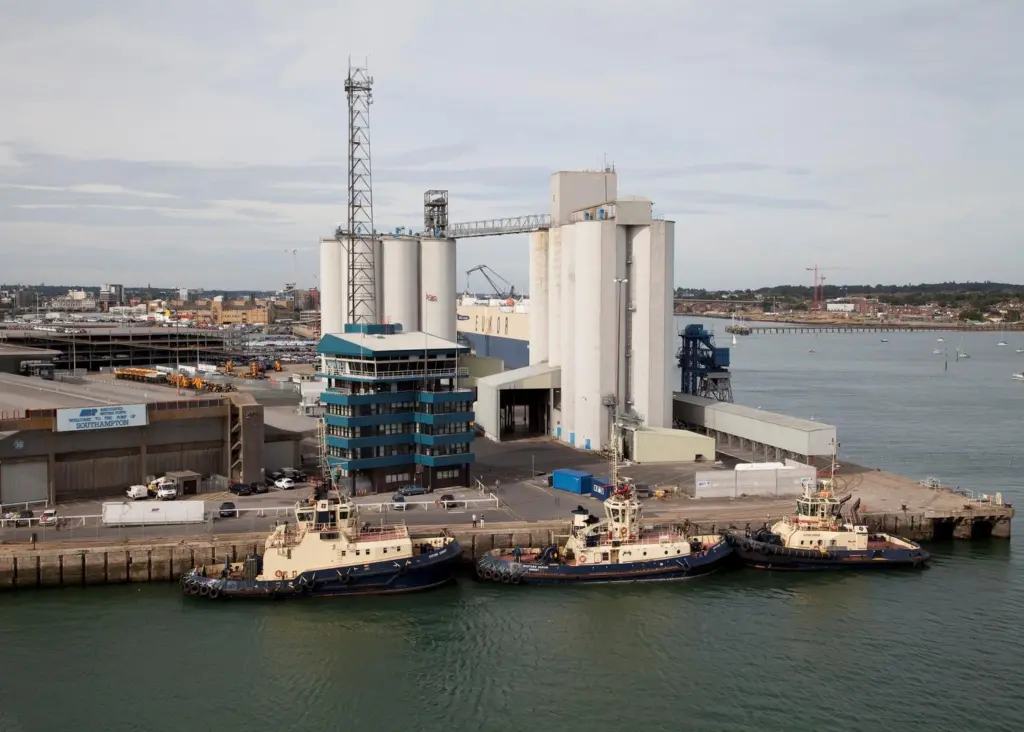
“Other, new banks that were not so active in 2006/07 came in and also the capital markets became involved in more financing deals. By that, I mean tranches of debt placed in the US Private Placement market or placed directly with institutional investors, life insurance companies, etc., which were coming in as loan providers next to banks. This was, for instance, the case for ABP and Peel Ports.”
Another example of a combined bond/ bank refinance where DNB was involved was LBC, the port-based liquid storage company. It was refinanced partially by bank debt and via the US high yield bond market. “For more mature port deals, this kind of combination of access to the capital markets is a new trend. On the other hand, the capital markets are not so keen on new port projects that are more risky and have construction risk and a ramp-up risk.”
Related Articles
 CONCESSIONS & INVESTMENTS
 CONCESSIONS & INVESTMENTS
 CONCESSIONS & INVESTMENTS