![PortStrategy[GreenPort]](https://www.portstrategy.com/wp-content/uploads/2026/09/PortStrategyGreenPort.svg)





The clash of two pilot regimes
Questions have been asked about how the draft UK Marine Navigation Bill (No.2) – currently under UK Parliament consultation – sits with existing international pilotage regulatory framework.
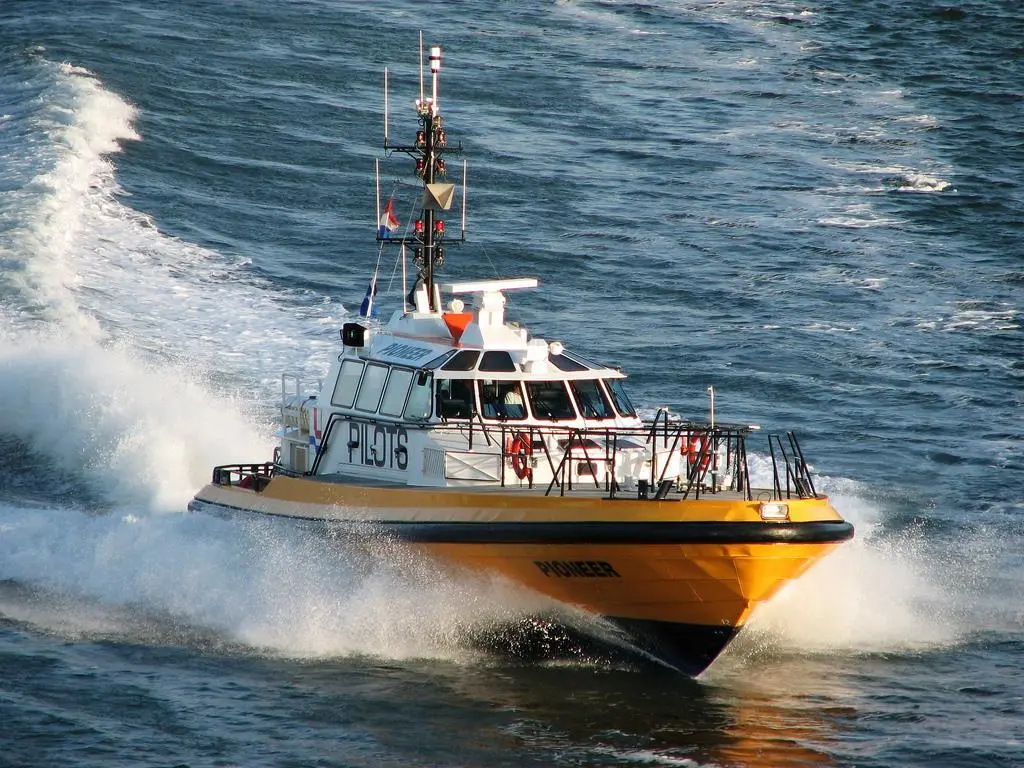
Currently, the underlying international structure in respect to pilotage, training and qualifications consists of recommendations made by the International Maritime Organisation which are both general in application and tailored to designated areas.
These rules are considered by some to have passed the test of time and there is concern that the Bill would put additional responsibility on harbour authorities to establish the underlying competency of Pilot Exemption Certificate applicants, rather than relying on what they consider to be well established, internationally recognised systems of competency and the International Safety Management Code.
At the same time there have also been requests to the IMO, particularly by the marine insurance industry, for better regulation, training and monitoring of ships’ pilots.
In this context, the Bill acquires an interesting international dimension. In the event that the Bill does become law, it will be interesting to see the effect this may have on the international pilotage regulatory framework and, in particular, whether it would prompt a review of this international framework or prompt other countries to conduct reviews of their national pilotage regulatory frameworks.
A challenge that any international regulation of pilotage must meet is that of striking the correct balance between setting a general, ‘catch all’, regulatory framework and remaining sufficiently flexible to provide for the particularities of individual harbours. Whether the Bill will provide guidance in respect to this challenge remains to be seen.
Related Articles
 CONCESSIONS & INVESTMENTS
 CONCESSIONS & INVESTMENTS
 CONCESSIONS & INVESTMENTS