![PortStrategy[GreenPort]](https://www.portstrategy.com/wp-content/uploads/2026/09/PortStrategyGreenPort.svg)



Zero Emissions Terminal Embarks on World Tour
The Castor Green Terminal is considered to be the ocean cargo terminal of the future – powered by the sun and wind.
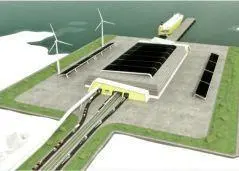
WWL’s futuristic Castor Green Terminal & Processing Centre will require no conventional power, forego fossil fuels and release no harmful emissions into the atmosphere. WWL hopes to develop the facility by 2020.
Named after an endangered species of beaver, Castor reflects the link between water and land. Wind turbines will provide the prime source of power along with solar photovoltaic roof panels. The terminal will also be self sufficient for all its water needs – rain water collected from its roofs will be stored in underground tanks and then reclaimed. The Castor Green Terminal will be run on lean production techniques focusing on the elimination of waste and adding value during each stage of the cargo’s movement through the terminal. Energy usage will be further minimised by using wind for cooling and sunlight for heating and light and smart lighting sensors will ensure the maximum efficient use of electricity. The location of the Castor Green Terminal will be based on detailed environmental studies of the local area, including potential impact on sea life, birds and animals.
Fans of a cleaner, greener future won’t have to wait until 2020 to catch a glimpse of plans for the world’s first zero emissions terminal and processing centre. The Castor Green Terminal is embarking on a worldwide tour, and a virtual model will be on display at a series of conferences hosted by Automotive Logistics throughout 2011, starting at the Automotive Europe Conference in Bonn, 1-3 March 2011.
“The Castor Green Terminal is one of our solutions for protecting the environment while building long term value for our customers and those who live and work in port communities,” said Arild B. Iversen, CEO of Wallenius Wilhelmsen Logistics. “Bringing the Castor Green Terminal on tour is a good way to showcase our commitment to sustainability and innovation, while sparking conversations with automakers about reducing the environmental risks in their supply chains.”
Source: Wallenius Wilhelmsen Logistics
Related Articles
 ALTERNATIVE FUELS GREENPORT
 NEWS
NEWS