![PortStrategy[GreenPort]](https://www.portstrategy.com/wp-content/uploads/2026/09/PortStrategyGreenPort.svg)





FREEPORTS: THE BIDS ARE IN
David Mundy of legal firm BDB Pitmans discusses the main criteria, candidates and challenges associated with the selection process for operators of the 10 new UK Freeports
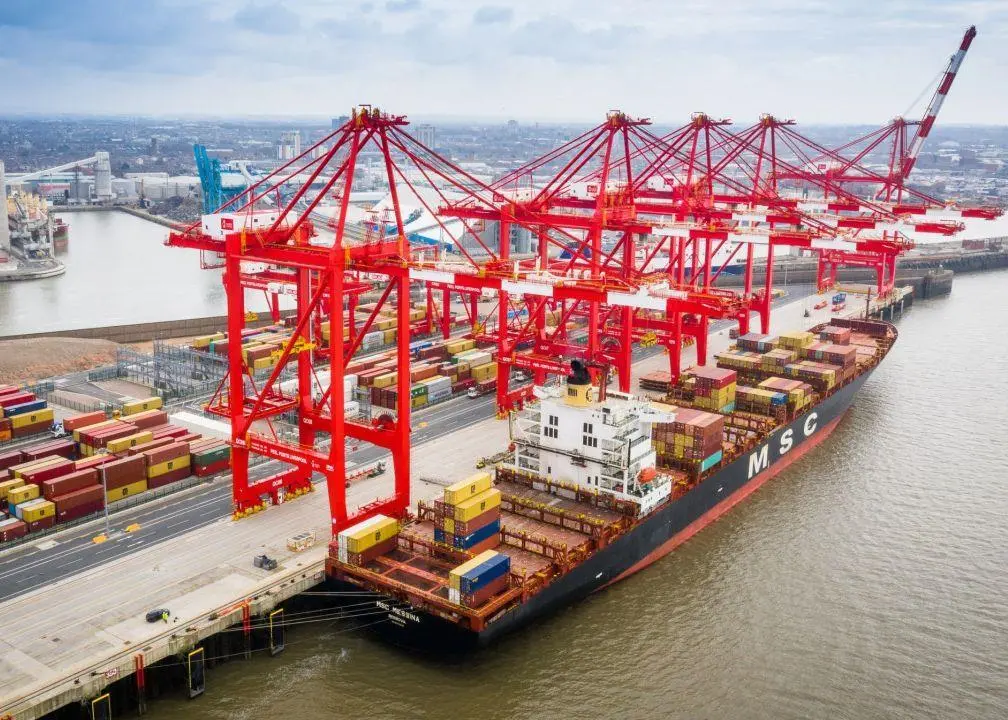
Innovative hubs which boost global trade, attract inward investment and increase prosperity in the surrounding area by generating employment opportunities, Freeports are high on the UK Government’s agenda for a post COVID-19 and post Brexit regeneration drive. The aim is to create up to 10 Freeports across the UK, with seven in the offi ng for England alone.
The main benefit to traders, manufacturers and processors is that Freeports will sit outside the UK’s normal customs and excise territory. Goods can be brought into the Freeport, and stored or processed, without tariffs being applied. No tariffs will be payable on goods “re-exported” out of the UK and only applied when imported into the domestic market.
Responding to the government’s November 2020 bidding prospectus for Freeport status in England was a tall order. The deadline closed on 5 February. Less than three months to assemble a complex multi-party proposal with diverse interests (ports, local authorities, LEPs, businesses) with new initiatives on planning incentives, tax concessions, customs benefits, alongside financial, governance and political priorities.
WINNERS ANNOUNCED SOON
Successful locations will be announced in the Spring and Freeports introduced “as soon as possible”.. Why the rush? Ports are dealing with unprecedented challenges caused by Brexit alone. Stir in a world-wide pandemic disrupting supply lines, stakeholders can be forgiven for calling this policy initiative ill-timed.
However, the bids have come in. Consortia based around 30 ports and airports have responded. Bids submitted include those from the Tees Valley and the Port of Tyne, the Humber Ports, Felixstowe and Harwich, London Tilbury and Port of London, Bristol/West of England, Barrow and Workington in Cumbria and the North West.
WHAT ARE THE COMPONENTS OF A WINNING BID?
Top of the list is whether bids can deliver on the government’s five fundamental objectives
a. Establishing national hubs for global trade
b. Regeneration and levelling up
c. Creating hotbeds of innovation
d. Ability to deliver effectively at pace
e. Inclusion of the private sector
Further influential factors include accounting for changing regional economic trends resulting from COVID-19 and the end of the Brexit transition period. Alignment with other policy initiatives, in particular “levelling up”, Industrial Strategy, English devolution and planning agendas are on the government’s “must have” list.
Perhaps fundamental for the final decision is how the Freeports will be geographically spread across the country. Whilst reserving the right to select “multiple nationally exceptional proposals from the same LEP”, the government’s leading light will be proposals focusing on the regeneration criterion -the lead objective.
Priorities too are areas of deprivation and vulnerable communities. Tax sites which will benefit from the special reliefs on offer, should be located in areas below national average GDP and above average national unemployment rates. A bid which acknowledges and seeks to use this opportunity to regenerate and assist communities damaged by COVID-19 may well score highly.
HOW WILL GEOGRAPHICAL SPREAD INFLUENCE MATTERS?
One area of concern is “displacement”- businesses migrating towards the successful bid areas where the customs. tax and planning breaks are available. As part of the deliverability objective bids have to explain why their choice of tax sites minimises displacement of economic activity from already deprived areas.
The government will retain the power to prevent access to reliefs where there is abuse. Prospective customs sites will need to be authorised by HMRC as will businesses operating inside designated sites.
Alongside displacement, distortion of competition by government intervention is also relevant. The EU State aid regime is no more, but in its place is a new domestic subsidy control regime, commitments made in the EU Trade and Cooperation Agreement and obligations under the WTO.
The government will have these at the back of its mind. These considerations and the importance attached to the regeneration objective and the need to invest post COVID-19 may mean some surprise decisions in the Spring.
David Mundy is a partner and Parliamentary agent at BDB Pitmans
Related Articles
 PORT & TERMINAL NEWS
 EXPANSION & DEVELOPMENT
 PORT & TERMINAL NEWS