![PortStrategy[GreenPort]](https://www.portstrategy.com/wp-content/uploads/2026/09/PortStrategyGreenPort.svg)





Traffic returns after price war
The traffic has returned to German ports after the price wars of 2009, and a “realignment of market share” has been seen in 2011.
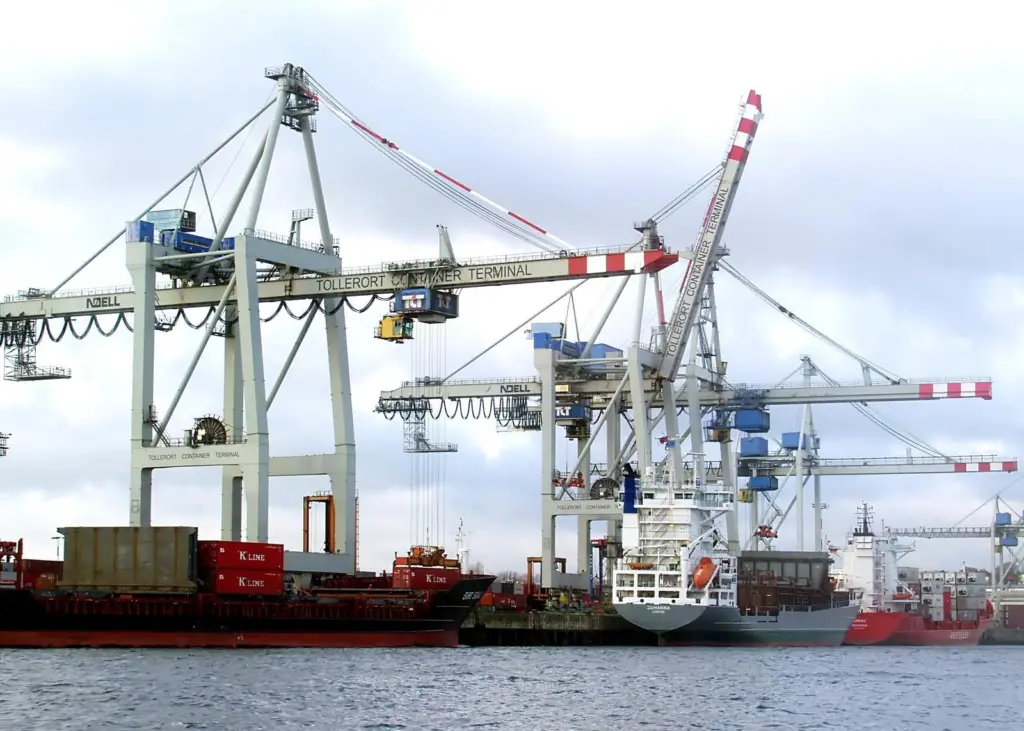
Not only did 2009 see the worst box downturn ever witnessed it was also a year of significant market share shifts as ports jockeyed for the advantage, Ben Hackett of Hackett Associates, authors of the North European Port Tracker told PS. Hamburg and Bremerhaven lost volume following Rotterdam, Antwerp and Zeebrugge’s decision to discount their port charges.
Added to this was rising interest in Maasvlakte II which caused some lines to switch services to Rotterdam in anticipation. Feeder operators moved over, sailing around Denmark instead of using the Kiel Canal, further reducing the competitive advantage of Germany’s Baltic Sea route. In an already shrinking market, the German ports lost about 1.2m teu to their competitors further west.
“However,” says Mr Hackett, “Hamburg reacted by dropping its charges, which stopped the losses and by April 2011 the port had reversed the trend. CMA CGM shifted its East Baltic traffic back to Hamburg by April, and in June the Scandinavian cargo also returned to the port.”
Despite this Rotterdam has kept most of the market share it gained in 2009, as its location means it’s a “natural” option for Baltic Sea traffic.
On the other hand, the latest evidence from ISL’s North European Container Traffic Model suggests “there are indeed ‘natural’ market shares in the hinterland”, says Mr Maatsch of ISL. These shares in hinterland traffic are surprisingly stable because costs per kilometre are much higher land-side than on a feeder vessel. Hinterland links, then, do tend to act to calm some cargo volatility although he adds, despite geography, “operator strategies, hinterland connections and services, handling costs, and many other factors play an important role”.
Related Articles
 PORT & TERMINAL NEWS
 EXPANSION & DEVELOPMENT
 PORT & TERMINAL NEWS