



German ports cooperation
Closer cooperation between the German North Sea ports is possible, helping ports to become more competitive, drive decarbonisation and promote digitalisation and automation.
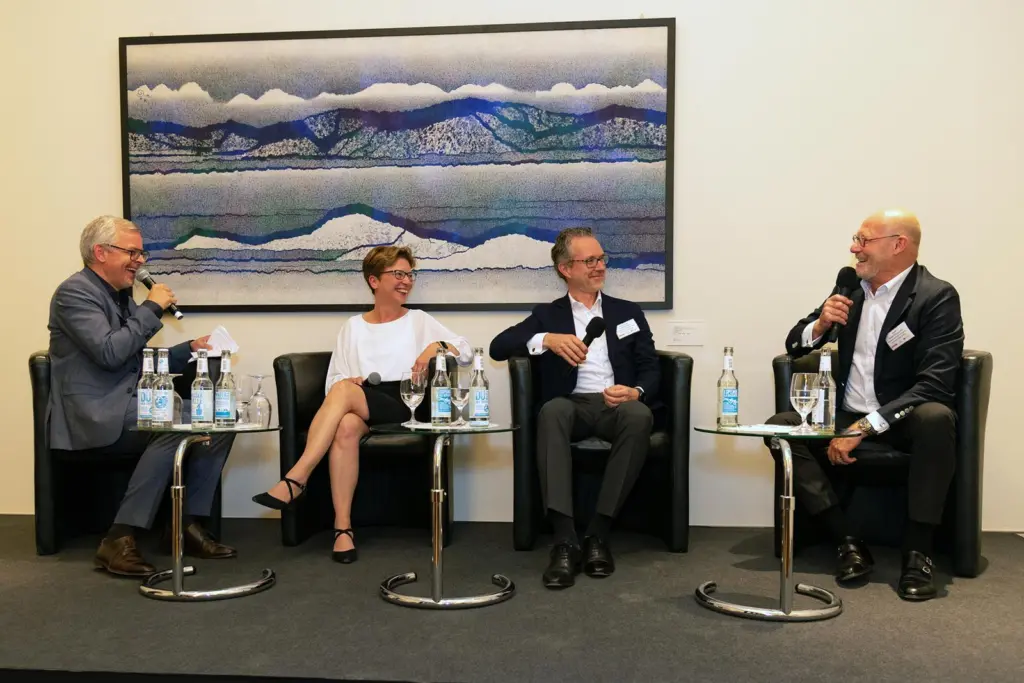
This was one of the key messages from the first discussion session of the North German seaports in Berlin which more than 100 industry and government representatives attended.
Under the heading ‘German North Sea Ports – Heading for the Future Together’ attendees discussed the future strategies for the German North Sea ports against a backdrop of how to compete with ports in Belgium, the Netherlands and France, all of which receive substantial state aid, and how to upgrade infrastructure.
The participants agreed that the National Port Strategy would have to provide far more support for the ports to help them address key future areas of energy security, climate neutrality, digitisation and automation. In turn, ports agreed to collaborate on more joint ventures in the future to address the coming challenges.
“The development of a new National Port Strategy is absolutely essential to address the present situation,” commented Dr Claudia Schilling, Bremen’s Senator for Science and Ports.
“Ports will be able to ensure supply reliability and energy independence in Germany only if the politicians at national and federal land level, as well as the port and transport industry all work in close cooperation,” she added.
Dr Berend Lindner, State Secretary at Lower Saxony’s Ministry of Economic Affairs, Labour, Transport and Digitisation added that an efficient transport network and well-developed infrastructure were vital.
“If we are to strengthen the competitiveness of our seaports in relation to the western range ports, we have to speed up our infrastructure projects,” he said.
Related Articles
 LEGAL, RISK & INSURANCE
 NEWS
NEWS
 PORT & TERMINAL NEWS