![PortStrategy[GreenPort]](https://www.portstrategy.com/wp-content/uploads/2026/09/PortStrategyGreenPort.svg)





A Troublesome Economic Outlook
Continued uncertainty in the Arabian Gulf and US economic policies represent a threat to global trade and the cost of living. Ben Hackett
The fundamental signs for the coming 12 to 18 months do not look promising for ports and global trade. The mix of a failed “excursion” by the United States combined with the global impact of irrational tariff policies aimed at economic and political domination are coming together to drive the global economy into a recession.
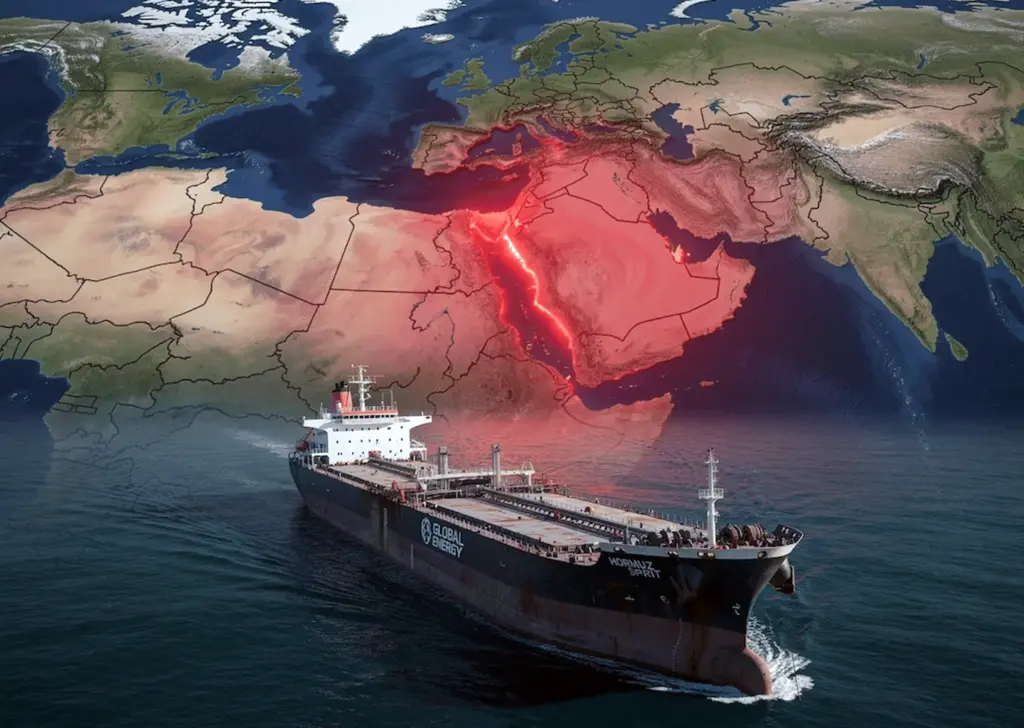
The strategy of the US for Iran has shown a complete lack of understanding of the country, and it has led to the failure of airpower to sustain even a medium-term success. The US has for all intents lost its naval bases in the Persian Gulf and reportedly drastically diminished its high-tech munitions. The alternative, an economic war is bound to fail as China and Russia’s support is beyond the control of the US.
Given the Gulf situation, it is unlikely that free passage through the Strait of Hurmuz will be possible for some time to come, impacting shipments of LNG, fertilizer, aluminum and petrochemicals such as diesel. This has an impact on inflationary pressures and repercussions on agricultural and industrial output particularly in eastern. Asia and Europe.
If the above is not bad enough, the domestic economic policies of the Trump administration are playing havoc on global trade as high tariffs are applied on friend and foe alike, which is leading to the breakdown of alliances and trust of the US. The outright tariff attack on Canada is just one example of destroying a relationship that had lasted over 150 years.
Meanwhile, US national debt has risen to $40 trillion and continues to grow. Surprisingly, it has not yet triggered a crisis, despite exceeding gross domestic product. This is likely because 42% is held by the public. However, the stability of the US dollar remains at risk if major foreign holders of the debt decide to sell, which could disrupt global markets. This gives countries such as China leverage in response to US tariffs.
The changing global logistics supply chain is resulting in the reduction on reliance of trade with the US to the benefit of intra-Asian trade and the growth in trade volumes in Africa and South America.
These uncertainties create an unease in the economic outlook with inflationary pressures impacting consumer confidence leasing to reduced spending on non-essential goods.
Related Articles
 INSIGHT & OPINION
 INSIGHT & OPINION
 PORT & TERMINAL NEWS