

TUAS PORT PHASE TWO BEGINS
The second phase development of Singapore’s new US$20 billion Tuas Port is underway
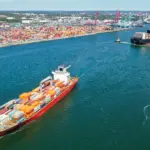
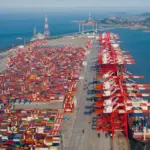
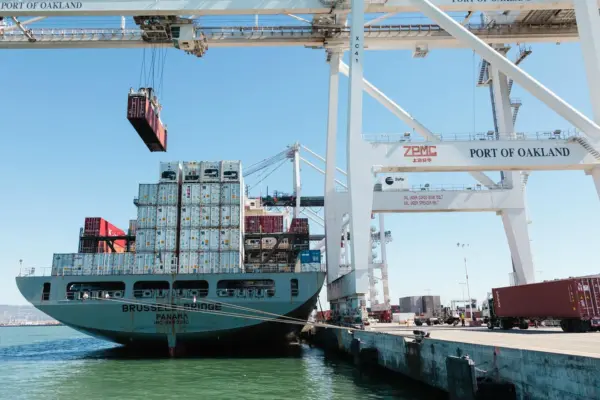
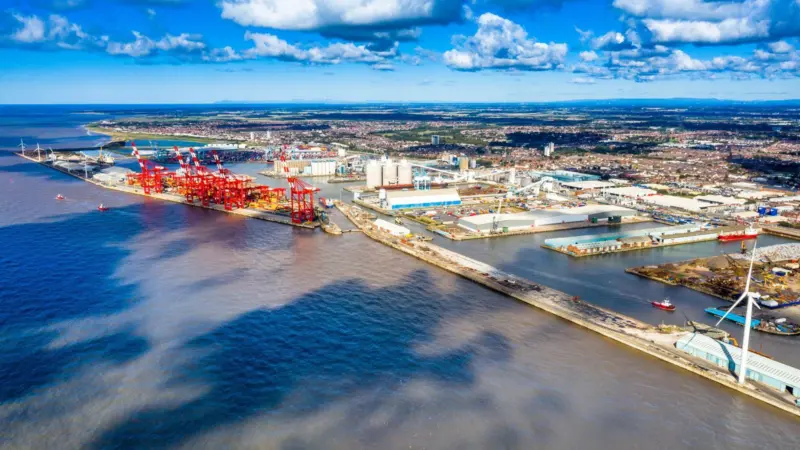
The 20 November saw PSA Singapore break ground on Tuas Port Phase Two, the largest of Tuas Port’s four development phases, which will see the relocation of activities at the world’s biggest container transshipment hub.
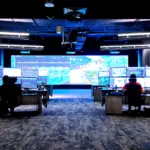
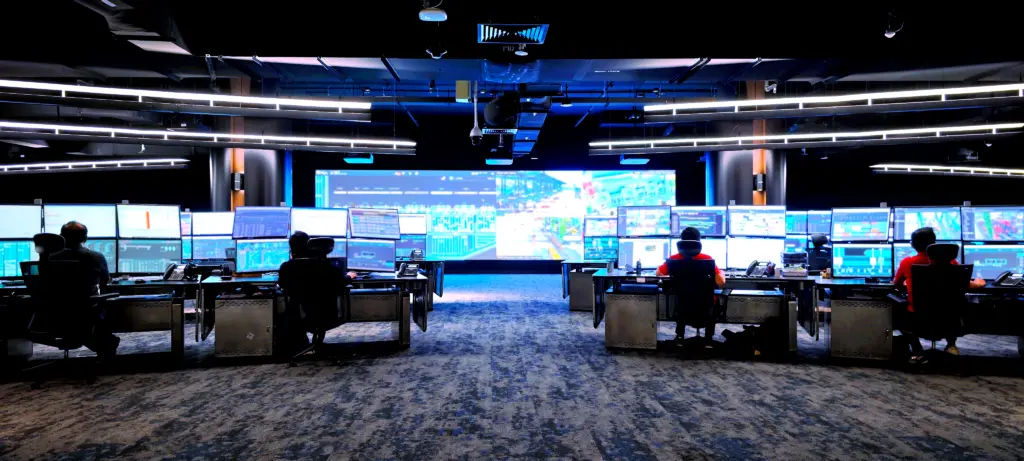
The feat of shifting an entire port – which in 2025 handled 44.5mTEU – is in itself a remarkable achievement but so too is the approach taken which encompasses the rapid development of state-of-the-art terminal infrastructure, the adoption of advanced digital, AI and automated handling systems as well as the transitioning of a large workforce from traditional work practices and systems to embracing a 21st Century work environment.
The cocktail of challenges involved can only be described as phenomenal but around these core elements are additional complementary challenges set by PSA, a prime example being the group wide annual innovation competition designed to create a think tank environment that feeds positive ideas into the groundbreaking terminal concept that Tuas represents. It is a concept that is based on advancing the parameters of modern container terminal design and one that has at its heart continuous improvement, and the ongoing goal of consolidating and expanding Singapore’s position as Asia’s leading transshipment hub.
In this context, Peter Vosser, Group Chairman, PSA International, speaking at the groundbreaking ceremony underlined: “Global trade continues to evolve amid shifting supply chains and changing market dynamics….Tuas Port reflects our long-term commitment to strengthening Singapore’s position at the heart of global trade. As we break ground on Phase Two we are not simply adding capacity, we are laying the foundations for a more integrated port ecosystem that delivers greater value for our customers, partners and the wider supply chain.”
Tuas Phase Two will provide 21 state-of-the-art berths with a depth alongside of 23m over a total quay line of 8.6 kilometres. It is notable that the Phase Two development has started exactly as per the original planned schedule and this despite 2025’s considerable operational challenges felt in the sector overall, congestion being the keynote of these. The first berth under Phase Two is scheduled to come into operation in 2028. This will follow on from the completion of Phase 1, which is currently operating with 15 berths and will have all 18 planned berths in operation by 2027.
2027 will also see PSA Supply Chain@Tuas begin operations in phases. Spanning more than two million square feet, the facility will serve as a Regional Distribution Centre and a Container Freight Station.
On competition, in the 2040s, Tuas Port will possess 66 mega berths with the capacity to handle 65mTEU/yr.
STEP INTO THE FUTURE
As underlined by Jeffrey Siow, Minister for Transport and Second Minister for Finance, Singapore, also speaking at the groundbreaking ceremony, the refinement of forward planning is an ongoing process at PSA Singapore and the Maritime and Port Authority of Singapore, the agency whose role includes the important task of delivering the reclaimed land on which Tuas Port is being developed. The Minister announced that April 2027 will see the publication of the next five-year masterplan orchestrating activities in the container and logistic sectors among others. He highlighted three key aspects: ongoing capacity expansion including in areas designed to provide value-added services outside the core container handling function. Secondly, the continued leveraging of technology both within and outside the terminal areas. In the former respect, for example, Phase Two will, when complete, utilise close to 1000 autonomous, AI-enabled Intelligent Guided Vehicles (IGVs) and in the latter will feature aspects such as the improved utilisation of trucks dropping off/picking up containers and the use of drones to deliver fresh food and other supplies to vessels at anchor. Third, and importantly the Minister emphasised, investment in people. “Workers can,” he said, “step into the future with confidence and positively embrace change.”
Related Articles
 OTHER NEWS
 OTHER NEWS