

Merger creates export giant
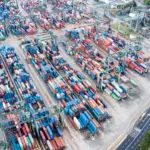
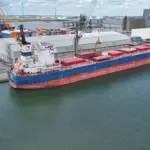
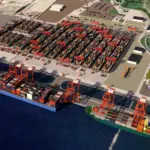
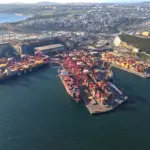
Two European ports have merged to create what has been called Europe’s largest export port
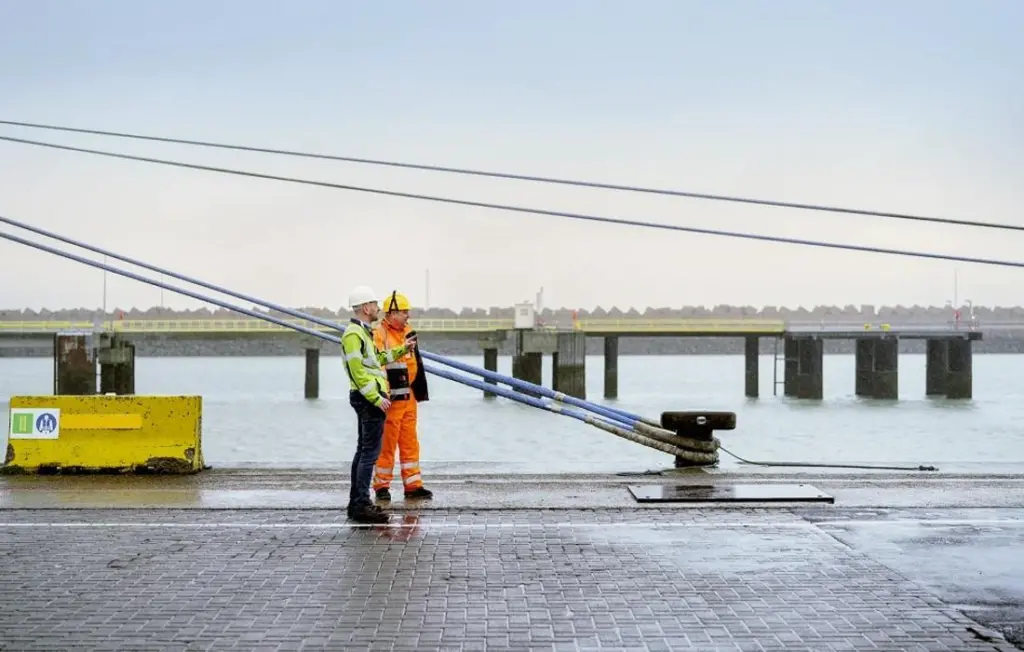
The Ports of Antwerp and Zeebrugge say that the new unified port of Antwerp-Bruges will lead the industry in export and sustainability.
“The unified port is not only the economic engine of Flanders, but together, the ports of Antwerp and Zeebrugge will also form the largest export port, largest throughput port for vehicles in Europe and the leading chemical hub in Europe,” said Annick De Ridder, Vice-Mayor of the City of Antwerp and president of the board of directors of Port of Antwerp-Bruges.
Big ambitions
Ms Ridder said that the Port of Antwerp-Bruges has major ambitions to become ’the’ energy gateway to Europe as a green port.
The port intends to capitalise on the strengths of both port locations. Antwerp has strengths in container handling, breakbulk and chemical products, while Zeebrugge is a major port for RoRo traffic, container handling and the transshipment of liquid natural gas.
Antwerp-Bruges also intends to anchor its position as a green energy hub and will continue and extend its pioneering project for the capture, storage and reuse of CO2.
Via Antwerp@C, the first 2.5 million tonnes of CO2 will be captured from industry on the port by 2025. This CO2 will be stored and eventually reused as a raw material for a wide range of applications.
In addition, the port intends to take a leading role in the roll-out of the hydrogen economy.
By 2028, Port of Antwerp-Bruges plans to have the capacity to receive the first green hydrogen molecules on its platform. To this end, it is working to expand terminal capacity for existing and new hydrogen carriers at both port sites together with a hydrogen pipeline that will serve both ports and the European hinterland.
Related Articles
 LEGAL, RISK & INSURANCE
 NEWS
NEWS
 PORT & TERMINAL NEWS