![PortStrategy[GreenPort]](https://www.portstrategy.com/wp-content/uploads/2026/09/PortStrategyGreenPort.svg)






Southern California logistics woes
Southern California’s logistics industry faces an uncertain future as the movement of goods becomes increasingly competitive and, as industry leaders complain, new state laws and regulations raise operational costs that could encourage shippers to go elsewhere.
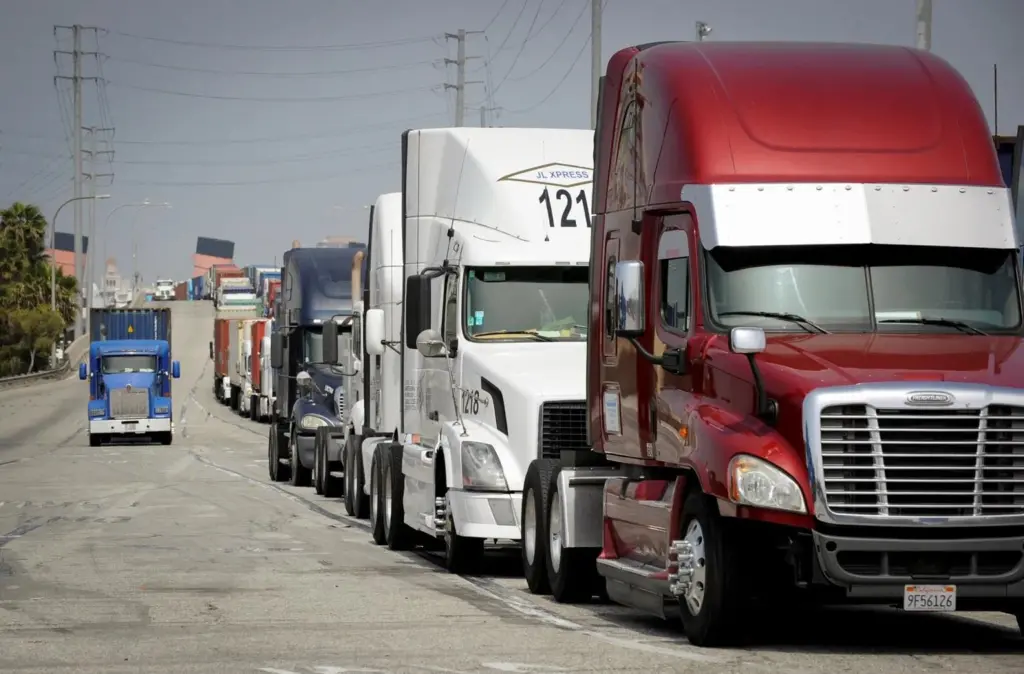
During the 1970s leaders sought to invigorate the region’s economy by positioning the twin ports of Los Angeles and Long Beach as logistics hub for rapidly increasing volumes of trade from China and other Asian nations. Now it is thought that Southern California’s ports handle 40% of US imports and 25% of exports, providing jobs for the waves of migrants arriving from Latin America in the 80s and 90s.
Warehouses sprung up to handle this traffic, creating a backlash of opposition from local residents and environmental groups, prompting state legislators to curtail future development.
This has in turn provoked a pushback from business leaders who argue that these measures hamstring the development of facilities needed to handle ever-increasing amounts of cargo.
“California’s ports have no more room to grow — except up,” said John McLaurin, president of the Pacific Merchant Shipping Association, in a letter to the Governor of California, Gavin Newsom. “If we are to meet the needs of California consumers and exporters, support hundreds of thousands of supply chain related jobs and function as a competitive gateway, innovation along the waterfront should be encouraged, not stifled.”
Related Articles
 LEGAL, RISK & INSURANCE
 NEWS
NEWS
 PORT & TERMINAL NEWS