



Getting back on track
Dave MacIntyre investigates the long term implications for flood-hit Australia’’s coal export crisis.
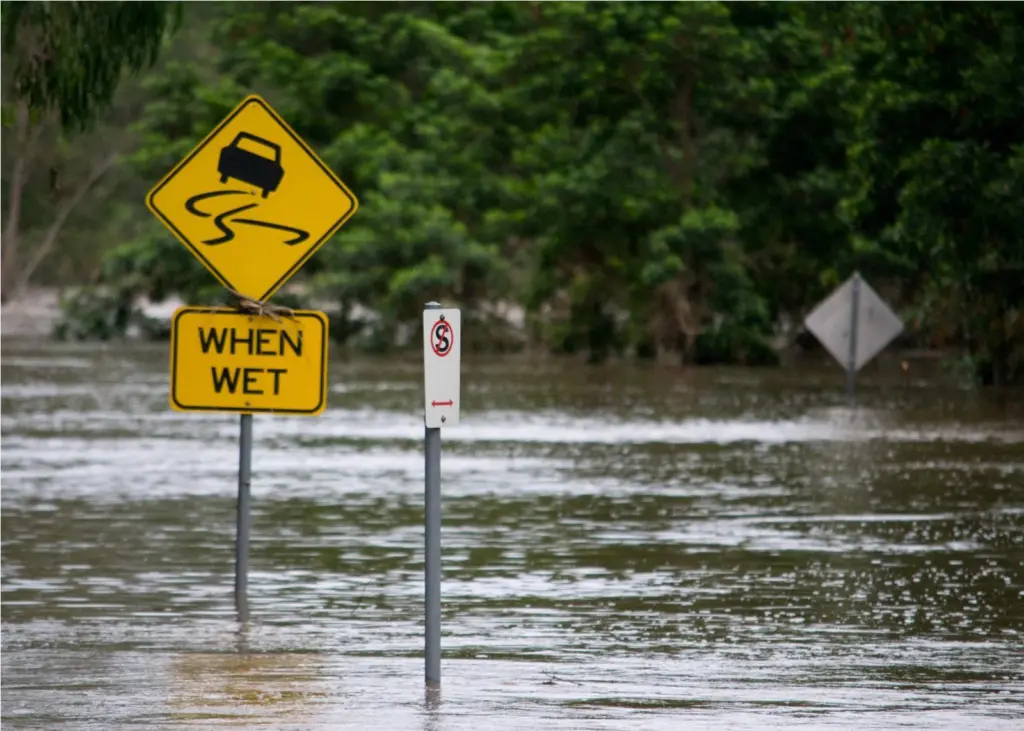
The speed with which the inland supply chain of rail lines and roads recovers is the key to how Queensland’s ports will rise from the aftermath of flooding that devastated the Australian state over December and January.
Getting the rail tracks fixed, and the coal flowing freely to ports, is the first priority. Longer term, the eye will be on whether contractual relationships between Australian coal exporters and Asian buyers are compromised.
Queensland is home not only to the port of Brisbane, but exports large tonnages of coal through six export terminals located at four major ports, namely Abbot Point near Bowen, Dalrymple Bay and Hay Point near Mackay, RG Tanna and Barney Point at Gladstone and Fisherman Islands at Brisbane.
Those coal shipments require a robust rail network, with some mines between 150 kilometres and 400 kilometres inland, but many lines have been flood-damaged and some mines themselves have suffered flooding and were reduced to various states of operation, ranging from complete shutdown to full production.
Dalrymple Bay Coal Terminal for example was operating at considerably-reduced capacity, receiving coal from between 17-22 trains per day, against 28 per day under normal conditions in mid January.
It was not so much operations within the ports themselves that was the issue, but access to the port for cargo, and port officials could not predict when mining companies could repair rail lines.
As Port Strategy went to press, the immediate focus was on getting operations as close to normal as possible.
Brisbane began re-opening for shipping in the Fisherman Island precinct from January 17, with other reaches of the river and port being reopened as the channel and berth pockets were surveyed and cleared. Upriver areas were showing signs of debris obstructions and siltation. Channel depths may have been temporarily reduced, and ships restricted to tidal movements.
Gladstone was expecting to resume shipments of coal, as the rail link to the Dawson Mine at Moura was operational and Queensland Rail (QR) had begun repairing sections of the Blackwater line. Six trains loaded prior to Christmas were still stuck in various locations along the line.
QR was advising, however, that it was unable to operate services west of Brisbane because of flooding and damage to the line on the Toowoomba Range, and general freight services along the North Coast Line to locations beyond Gladstone to Cairns were not able to operate.
North Queensland Bulk Ports Corporation, which operates both Abbot Point Coal Terminal and Hay Point Services Coal Terminal, confirmed that its infrastructure has not suffered any adverse impacts from the flooding.
Dalrymple Bay Coal Terminal equally had 100% site availability and no operational issues impacting the ability to out load consignments. It could fall back on almost 700,000 tonnes of coal stockpiled (sufficient for eight ships, based on last year’s average payload).
Ship queues at Dalrymple Bay stood at about 40 vessels from late December to mid-January.
Given the variety of flood-related challenges at the mines, Dalrymple Bay Coal Terminal says it is difficult to predict exactly when it can expect to receive its regular 28 trains per day or when all of the mines will be fully operational.
The ports of Bundaberg and Port Alma remained closed to commercial shipping.
These short-term operational issues apart, there are more strategic issues at play which will potentially impact on the Queensland coal ports.
Looking further into the future, they have more to be concerned about than purely their own operational status or even the inland supply chain that feeds them. A more fundamental concern is what damage the floods have done to the trading relationships between the local coal exporters and their buyers overseas, with force majeure having been called in some cases.
That enforced inability to meet contractual inabilities threatens to have longer-term impacts.
Australia is the world’s largest exporter of coking coal and second-largest exporter of thermal coal, shipping more than 300m tonnes in 2010, but reports have emerged of Chinese and Indian investors looking to increase their stake in Indonesia’s coal industry, in order to spread their risk and avoid over-reliance on one source of supply.
Indonesia itself is welcoming increased foreign investment, so the portents for Australian producers to face greater competition are strong.
Related Articles
 WORLD
WORLD
 PORT & TERMINAL NEWS
 PORT & TERMINAL NEWS