



Port of Melbourne problems build
All is not well in the Port of Melbourne. The Port of Melbourne Corporation (PoMC) is under fire from its third container terminal operator, Victoria International Container Terminal (VICT), which is now in the final stages of developing a new automated container terminal at Webb Dock West.
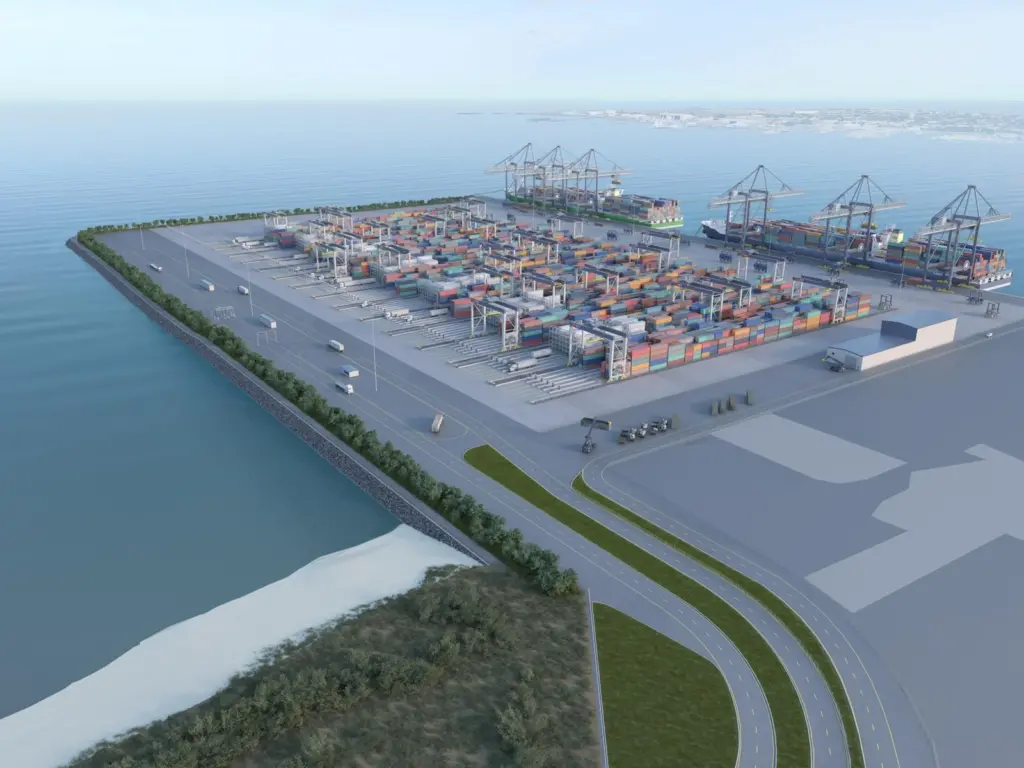
The new facility will bring much needed new capacity to Melbourne but in the opinion of VICT this is now being brought to market on a skewed competitive playing field, brought about by PoMC’s actions, and with PoMC refusing to accommodate new liner system realities.
Anders Dommestrup, chief executive of VICT, is of the view that PoMC does not have a transition plan to facilitate productivity improvements while the new terminal is under development and the process to lease the port is in train.
As Mr Dommestrup puts it: “The approach we have encountered from PoMC suggests the aim of leasing the port is to maximise the returns to the State’s revenue at the expense of consumers, businesses and VICT”, and as a result “we have been told to comply with our obligations to build our terminal and, in effect, stay out of sight and out of mind.”
Tough words and ones that clearly reflect a major source of frustration on the part of VICT at PoMC’s lack of engagement with it as a global operator investing $550m in the port.
When VICT refers to a skewed level playing field the company is likely referring to the deal PoMC struck with DP World following its rent dispute with the operator. This was initiated when PoMC demanded a 750% rent increase from DP World for its terminal at Swanson Dock – an idea predicated on bringing terminal rentals in the port in line with the higher rent VICT signed up to as part of its concession. If successful, that increase would have realised a higher return from the whole port lease process.
In the final analysis, however, PoMC backed down from what some in the terminal business have described as a “naïve attempt” to raise rents. Instead, PoMC came to an arrangement with DP World that gave it a 50-year lease for what amounts to a fraction of the cost originally proposed. According to VICT, the u-turn “increased DP World’s competitiveness and entrenched it for a lengthy period of time”.
Joint concerns
VICT is not alone in voicing concerns: the third stevedore at Webb Dock, Patrick, is also now involved in legal dispute with PoMC over its lease extension. The legal action centres on wording in a deal that implies the stevedore will be given an extra 21-year lease. Patrick already has a 21-year lease at the port. The Port of Melbourne is disputing the claim, saying that Patrick is misinterpreting the wording.
Additionally, PoMC’s failure in conjunction with the proposed Western Distributor – a second river crossing in Melbourne – “to plan and propose fully laden large truck access to and from VICT’s Webb Dock on terms comparable with access now being planned and provided for VICT’s competitors at Swanson Dock” is another damaging competitive inequality in the making, according to VICT.
PoMC has also reportedly refused VICT’s proposal to extend its quay line by 30m into the area of an adjacent decommissioned berth. VICT has turned to the Victorian Treasurer, Tim Pallas, to seek support for productivity and efficiency improvements at the Port of Melbourne.
PoMC’s Charter is described in its 2014-15 Annual Report as “ensuring a balanced and sustainable approach to the development and management of the Port of Melbourne”, which has raised the question of whether PoMC is fulfilling these obligations or is placing undue emphasis on facilitating the political goal of the lease of the port of Melbourne.
Related Articles
 WORLD
WORLD
 PORT & TERMINAL NEWS
 PORT & TERMINAL NEWS