![PortStrategy[GreenPort]](https://www.portstrategy.com/wp-content/uploads/2026/09/PortStrategyGreenPort.svg)


Expansion keeps MedPort Tangier out in front
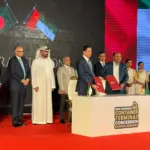
Phase 2 of an expansion of more than a million teu has been delivered on schedule at APM Terminals MedPort Tangier, Morocco.
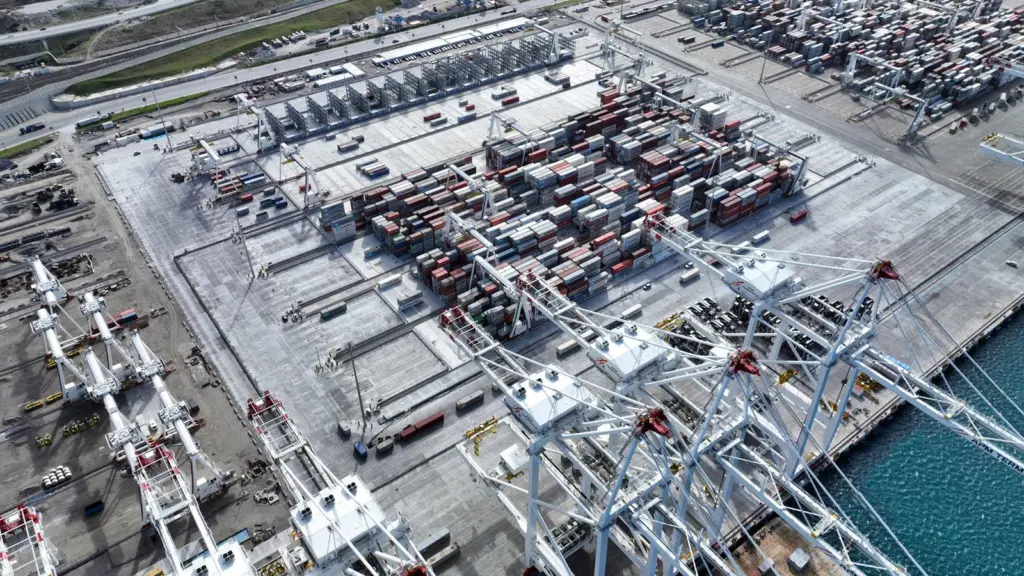
The expansion will help maintain the semi-automated APM Terminals MedPort Tangier terminals maintain volumes and reputation and stay ahead in both efficiency and safety.
“This will significantly increase the capacity and turnaround efficiency of terminal operations, enabling better service to customers and improving overall customer experience through more efficient operations,” said Keld Pedersen, head of APM Terminals West Med Terminals.
Maximum efficiency
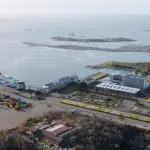
The expansion covers 18 hectares, with seven additional container stacks and an additional 400 metre berth. New electric equipment, shore power and auto-mooring will help contribute to APM Terminals’ future net zero emissions ambition.
New equipment for Phase 2 included 14 electric automated rail mounted gantry cranes and 11 semi-automated hybrid shuttle carriers from Kalmar to support high productivity and reduce CO2 emissions.
Four new remote-controlled, ship-to-shore (STS) cranes are among the largest in the world, with an 82-metre outreach. These dual STS cranes can handle cargo vessels of 26 containers in width, or up to 24,000 teu container capacity.
The auto-mooring system comes courtesy of Cavotec. Automated vacuum pads along the extended part of the quay help improve safety and operational efficiency. This in turn reduces the time taken by vessels to moor and release, with idle times estimated to be reduced to around 15 minutes at both arrival and departure, saving a total of around one hour of idle time.
Tangier Med Port, where APM Terminals operates two container terminals, was ranked fourth in the world’s most efficient ports index, published in June this year by the World Bank and S&P Global Market Intelligence.
It was also acknowledged as one of the company’s best performing terminals for the second time in three years based on parameters including safety, efficiency, customer satisfaction and cost.
Phase 3 of the expansion will be fully operational by the beginning of 2025 and will increase the total capacity by an additional one million teu.
Related Articles
 EQUIPMENT
 OPERATIONS
 OPERATIONS