![PortStrategy[GreenPort]](https://www.portstrategy.com/wp-content/uploads/2026/09/PortStrategyGreenPort.svg)





New health & safety angles for port operations
New health and safety code brings rules for automation, human rights and gender.

Protections for women in the port workplace, new rules for working in automated terminals and “human rights” issues such as guarding against the spread of communicable diseases are among the new measures to be introduced in the revised Code of Practice on Safety and Health in Ports.
The code is being prepared by the International Labour Organization, the United Nations’ agency which promotes human and labour rights, and the final document is expected to be made available by the ILO as this article is published.
Port Strategy spoke to some of the participants in the ILO’s expert sessions held in November which led to a tripartite agreement between employers, unions and signatory Governments, and which will set ground-breaking new standards for port H&S.
Within the new code, which will cover all port workers – not just those in operational areas – are measures to counter sexual harassment and the spread of diseases such as HIV.
Paul Mackay, manager of employment relations policy for Business New Zealand, who chaired the employers’ group in the negotiations, said the new code will revise and update the 2003 ILO code of practice. “Occupational safety and health is in constant evolution. There have been technological advancements since 2003 and some provisions may have become obsolete.
“There is recognition among the three groups that there is a need to set standards that meet the needs of today, and that things in a number of areas have moved on since the previous code was adopted.
“The automation of terminals is one such area of advancement. Also, more importance is now given to the ‘health’ aspect of health and safety, given the threat posed by communicable diseases. Port workers may come into contact with ship’s crew coming from areas where contagious viruses are rife, and therefore safeguards need to be established.
“Gender-specific issues such as sexual harassment and even the provision of workplace facilities are now given greater weight than in 2003.”
Working practices
Among the main points of the revised code are the requirement for ports to develop working practices that will safeguard the safety and health of port workers in the light of the port’s own specific circumstances, based on guidelines in the code and other established principles such as the ILO’s conventions on occupational safety and health. Employers and workers are encouraged to collaborate to promote a preventative safety and health culture.
There is recognition that more women are part of the workforce engaged in the direct handling of cargoes. Modern handling techniques now allow women to perform most jobs in ports, including manual labour.
As such, employers, in consultation with worker representatives and in accordance with national laws, should develop gender-sensitive OSH policies and programmes and ensure that all workers have equal treatment and access to OSH services, including participation in OSH decision-making at all levels. Workers’ organisations should be considered active partners in the development and implementation of OSH material and courses, policies and programmes for port workers.
Where technological or other innovations are being mooted, the impact on the safety and health of port workers needs to be recognised. Consultations must be held on safety and health aspects between employers and workers and their representatives, and agreement reached on the introduction of the innovations.
Mechanisms must be established for monitoring the safe use of any technology and such monitoring should involve employers and workers.
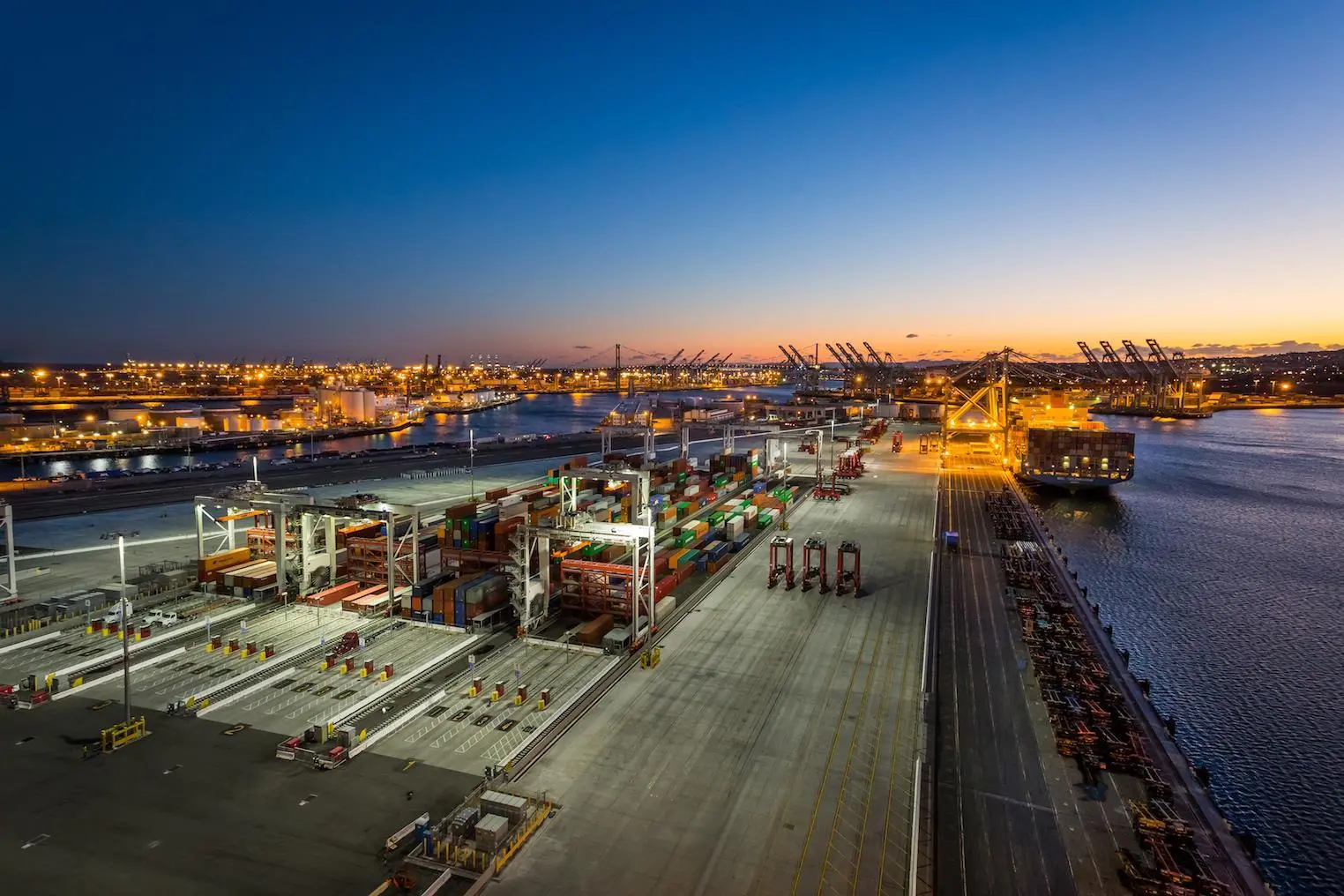
For automated container terminals, the competent national authority should formulate, implement and periodically review a coherent national policy on safety and health in ports, in consultation with employers and workers. The authority should also have a system for investigating occupational accidents, diseases and dangerous events.
Employer responsibility
Port employers are responsible for compliance with the OSH measures including providing a safe workplace, providing appropriate training and supervision, providing personal protective equipment, identifying hazards and assessing risks.
Occupational safety and health management systems require port employers to identify, evaluate systematically and record the hazards and risks to the safety and health of port workers with special attention given to such factors as sex, age, disability and reproductive health.
Risk assessments involve careful examination of the working environment in order to identify hazards (physical, chemical, biological, ergonomic, organisational) and to evaluate the potential harm that they could cause.
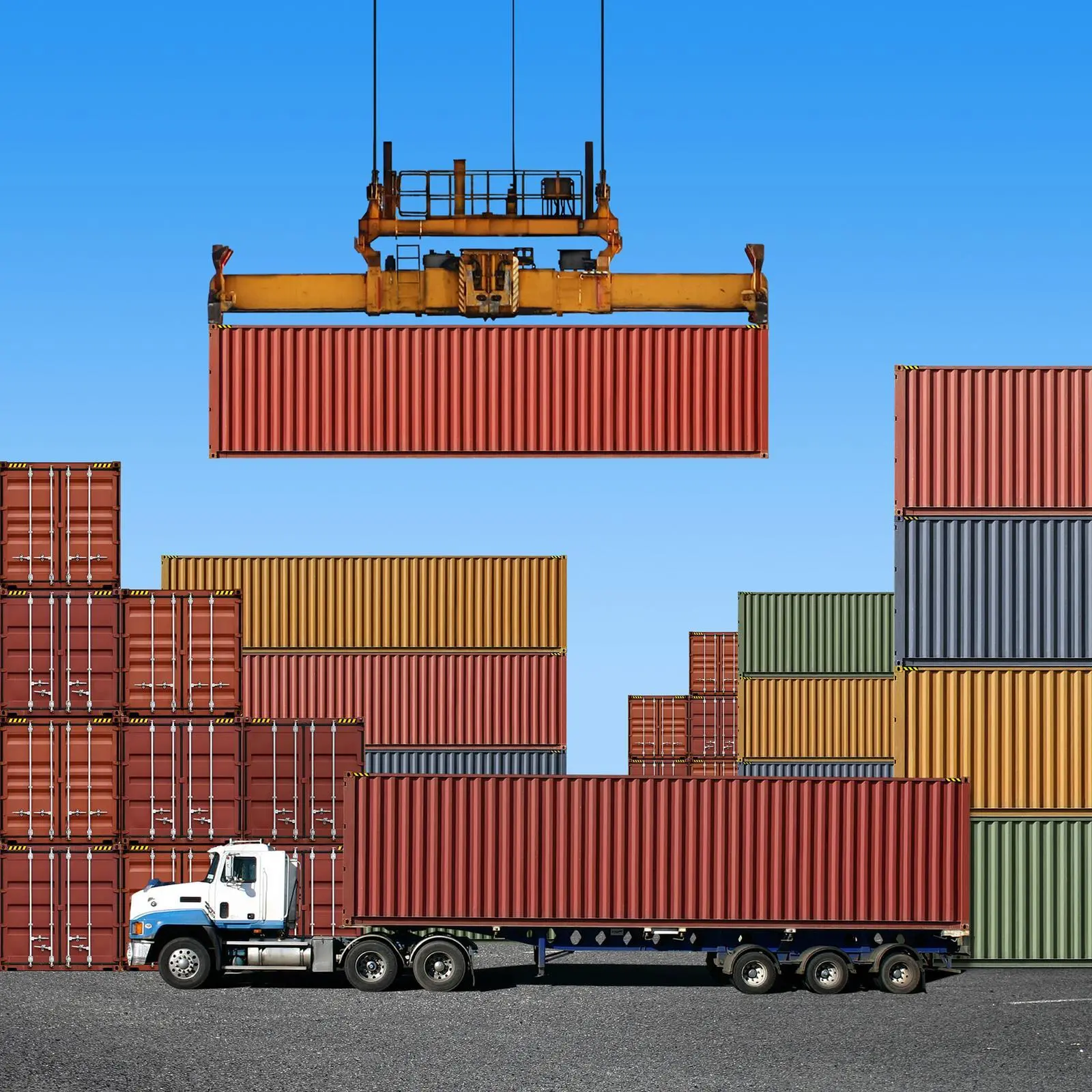
For reefer (temperature-controlled container) storage areas, the code says a special area needs to be reserved for such containers. Stacked reefers should be rendered accessible for plugging/unplugging by installing permanent elevated platforms that are guarded and sufficiently lit. The use of portable ladders to plug/unplug reefers should be avoided.
The electrical units into which reefers are plugged should be designed to ensure that workers are not exposed to any electrical arcs or explosions during the plugging/unplugging operation. Proper personal protective equipment such as face shields and special insulating gloves should be provided to workers assigned to plug/unplug reefers.
The code also reinforces the requirements of the new SOLAS Convention rules for container weights. The gross weight of all loaded containers should be known before they are lifted. Containers exceeding the maximum allowable weight should not be lifted. A container that is leaking should not be transferred to another mode of transportation until the leak has been dealt with.
Missing, broken or poorly-fitting hatch covers should be reported at once to the officer in charge of the vessel. Pending the replacement or repair of the unsafe covers, work should not be performed in the section containing them or in adjacent sections unless the flooring is made safe.
Significant changes

Kevin Furniss, vice president and head of health, safety, security and environment for APM Terminals in the Netherlands, attended the Geneva sessions and described some of the changes as “significant”, mainly in relation to the design and implementation of occupational health and safety management systems.
“There will be more specific guidance on risk assessment processes and consultation with worker representatives. Other major changes cover automated container terminals and women working in ports and on communicable diseases.
“The changes have been introduced to improve the overall management of health and safety in port work, and ensure that new and emerging health and safety risks related to port work are recognised, evaluated and controlled effectively.”
In terms of new and updated content on social issues, Mr Furniss said there were good discussions at the Geneva meeting regarding the proposed inclusion of the new sections. “Governments, employers and trade unions all agree that these topics were not adequately covered in the previous revision of the code, and it was the right time to ensure that these issues – in relation to their impact on health and safety – were brought to the attention of the industry.
“Since the previous revision a number of social issues, like communicable diseases etc, are now recognised as having a significant potential impact on everyone working in and supporting our industry.
“There is a whole new section introduced into the code on automated and semi-automated container terminals. It highlights the hazards, risks and provides guidance on how to effectively manage occupational health and safety in any automated operation.”
Mr Furniss said the discussions were very positive with all three parties collaborating to ensure that the code is relevant for the port industry today, and is recognised as the definitive guide to safeguard the health and safety of port workers. “I think it adequately addresses both those health and safety hazards and risks in port work that have emerged over the previous decade, and builds on the good work done previously on occupational health and safety management systems.
“I also think the current code (as revised) is now well positioned to remain relevant for a number of years to come.
Workers’ Unions Endorse Safety Changes
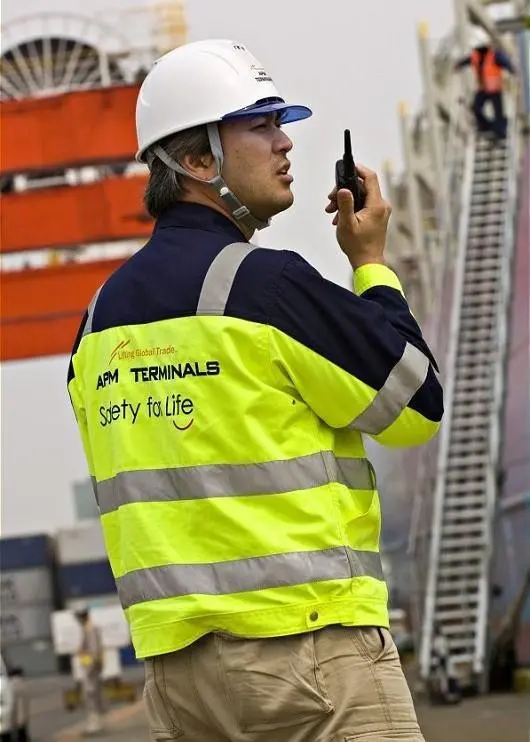
The new code revisions have won endorsement from the International Transport Workers’ Federation (ITF), representing around 700 unions and 4.5m transport workers from 150 countries.
ITF dockers’ section secretary Sharon James tells Port Strategy: “This revised code has improved our ability to address health and safety right across the modern port and terminal environment.
“It has made it possible not just to recognise the effects of economic changes and productivity demands on the day-to-day safety of workers, but also to build in practical models for securing the aim of safe workplaces.”
She concludes: “Our – as the workers’ group – concerns and suggestions were wide-ranging, but they needed to be. We must all live and breathe health and safety in ports, and forge a strong link between the ILO and IMO.”
Related Articles
 EQUIPMENT
 OPERATIONS
 OPERATIONS