
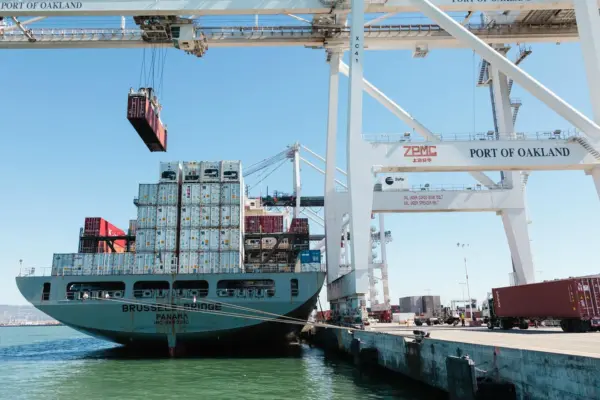
More than a checkpoint
Container gates are a key part of a terminal’s operations and they must function effectively while still contributing to maximum security and safety. They are now all the more important in an era of congestion, as Dean Davison discovers
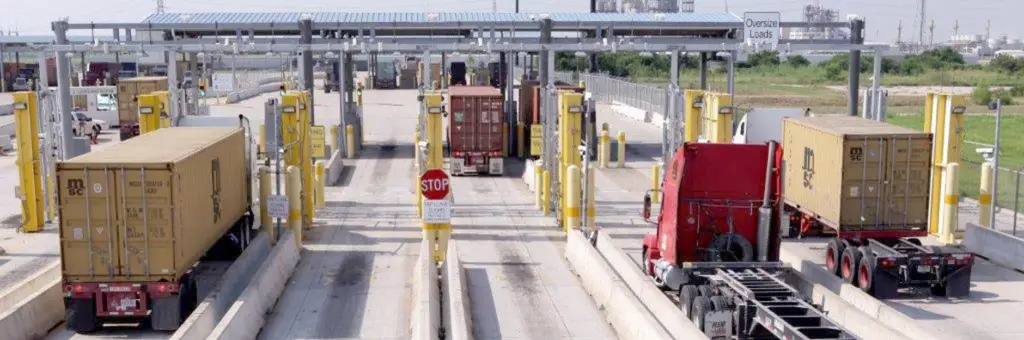
“The terminal gate is no longer just a checkpoint. It has become an intelligent operational hub where AI-powered imaging, automated transaction processing, and real-time data validation work together to improve security, efficiency, and supply chain visibility. By automating routine gate transactions while enabling remote exception management, terminals can increase throughput, reduce manual effort, enhance safety, and deliver a better experience for trucking partners,” explains Shalev Cohen, Sales & Business Development, OCR, at ABB, a global technology leader in electrification and automation.
This is a view endorsed by Mark Willemsen, Product Manager for Netherlands-based Certus Automation, which specialises in the field of OCR, image processing, and software development: “Across the container terminal industry, landside operations are becoming an increasingly important part of the automation conversation. Terminals are looking for ways to handle growing traffic peaks and volumes, make better use of existing infrastructure, and reduce congestion at the gate. The challenge is further intensified by the deployment of larger container vessels, which generate more concentrated cargo flows and put greater peak loads on yard operations. At the same time, disruptions to global supply chains, such as delays caused by events in the Strait of Hormuz, can lead to vessel bunching and unpredictable surges in truck and container volumes.”
Current trends
ABB says that container terminal gates are rapidly evolving from manual checkpoints into intelligent, automated control points that improve efficiency, security, and data quality. This is because automation is accelerating as terminals seek to reduce congestion, shorten truck turn times, and process growing cargo volumes, while AI-powered machine vision is replacing traditional OCR-only systems, enabling automatic detection of additional features such as container damage, seal presence, hazardous cargo placards, equipment types, and other critical cargo attributes.
Other factors include deeper integration with appointments, booking, and TOS which is helping terminals optimise truck arrivals, validate transactions before arrival, and improve yard planning, with remote operations and exception management allowing clerks to focus only on unusual transactions while routine moves are processed automatically, while also providing improved work environment.
“From ABB’s perspective, the most significant trend is the convergence of automation, AI, and data integration. Modern gate systems are evolving from transaction-processing assets into strategic sources of operational intelligence. As the first and last data capture point in the landside container journey, they provide the trusted, real-time information that powers connected digital operations, enabling greater visibility, automation, and optimisation across the terminal. The quality of gate data increasingly determines the effectiveness of downstream systems, making the gate a strategic data hub for the digital terminal,” states Cohen.
Willemsen at Certus Automation explains the impact of these current trends on an operation: “A truck visit may appear straightforward: the driver arrives, confirms the required transaction, and continues into the terminal. Behind that journey, however, are multiple interconnected steps. A timeslot may need to be booked, the driver identified, the truck, trailer and container verified, the gate transaction processed and the driver directed to the correct location in the yard. When these steps are managed by separate systems, information becomes fragmented. Drivers have to deal with different sources of information, operators spend valuable time resolving exceptions, and data collected at one stage of the journey may not automatically support the next. The next step in landside automation is therefore not simply automating more individual processes. It is connecting them into a single, integrated driver journey.”
Automated checkpoints to one connected journey
So what solutions are available to the industry to meet the challenges? ABB has developed its Automated Gate System, which combines advanced OCR, AI-powered imaging, driver self-service kiosks, and seamless TOS integration to automate the truck processing workflow while improving safety, security, productivity, and data accuracy. “The solution enables terminals to process trucks with minimal or no human intervention while maintaining full visibility and control over gate transactions,” says Cohen.
He adds that a key differentiator of ABB’s solution is its use of advanced neural-network-based imaging technology: “Beyond traditional OCR, ABB’s AI models continuously analyse images to classify cargo-related features and identify container damage such as dents, holes, structural deformities, or corner casting damage. This allows terminals to improve asset visibility and make more informed operational decisions.”
By comparison, the approach from Certus Automation is to focus on the move from automated checkpoints to what the company describes as “one connected journey.” Willemsen explains that an integrated driver journey brings appointment management, driver identification, vehicle and container recognition, gate processing, and driver communication together in one continuous workflow. “Rather than treating these as separate operational processes, they become connected stages of the same digital journey,” he clarifies.
Certus Auomation’s approach starts before the truck reaches the terminal. A Vehicle Booking System (VBS) enables operators to manage planned arrivals, distribute traffic across available timeslots and make better use of gate and yard capacity. Before the vehicle reaches the facility, the terminal already knows when the visit is expected and which transaction is planned. When the truck arrives, the physical visit can then be connected to that digital information through the use of OCR technology in creating this connection, capturing images of truck, trailer, and container, with all characteristics automatically extracted and converted into operational data.
The company has developed “Gate Mate” to act as the digital interface between the driver and the terminal ecosystem, bringing together information from the Vehicle Booking System, identification workflows, and gate automation platform. This enables drivers, planners, and terminal operators to work from the same operational picture throughout the visit.
“Relevant information can move with the driver instead of remaining tied to individual physical checkpoints. Depending on the terminal process, this can include visit information, digital tickets, transaction status, queue information, and instructions for the next destination within the terminal. If circumstances change or an exception is detected, the right people can be informed early, allowing action to be taken before delays occur at the gate. This creates a more predictable journey for the driver while giving the terminal another digital channel through which the landside process can be coordinated,” outlines Willemsen.
As he further explains, a connected workflow “changes that process.” Data from the planned visit, the driver, the physical vehicle, and the gate transaction can be brought together so that discrepancies are identified earlier and communicated directly to the driver. At the same time, planners and their customers gain early visibility of issues that could affect the visit, allowing action to be taken before the truck arrives at the gate. In short, automation enables routine visits to continue with minimal intervention while directing attention towards the exceptions that actually require a decision.
Looking ahead
Willemsen summarises that the industry has discussed the automation of gates for many years but adds that the next discussion may well need to be far broader: “As terminals continue searching for ways to increase capacity without expanding infrastructure, the greatest opportunity may no longer lie in automating individual checkpoints. Instead, the future lies in connecting Appointment, Identification and Automated Gate Access into a single integrated driver journey. By connecting drivers, planners, terminal operators, and automation systems through one workflow, terminals can improve efficiency, visibility, and control across the entire visit. The most efficient gate transaction is not simply the fastest one. It is the one in which every stage of the journey, from booking to terminal exit, works as a single connected process.”
As container terminals continue to face increasing volumes, labour constraints, security requirements, and pressure to reduce truck turnaround times, the gate will only become even an even more critical point in the logistics chain. Automating routine gate transactions and processes, as evidenced by the likes of ABB and Certus Automation, will help terminals increase throughput, reduce manual effort, and enhance safety.

Related Articles
 OTHER NEWS
 OTHER NEWS
 OTHER NEWS