![PortStrategy[GreenPort]](https://www.portstrategy.com/wp-content/uploads/2026/09/PortStrategyGreenPort.svg)




UK updates ports planning policy
The UK government has accepted and partially accepted several recommendations from Parliament’s Transport Committee on the revised National Policy Statement (NPS) for Ports, paving the way for changes intended to improve planning for nationally significant port developments.
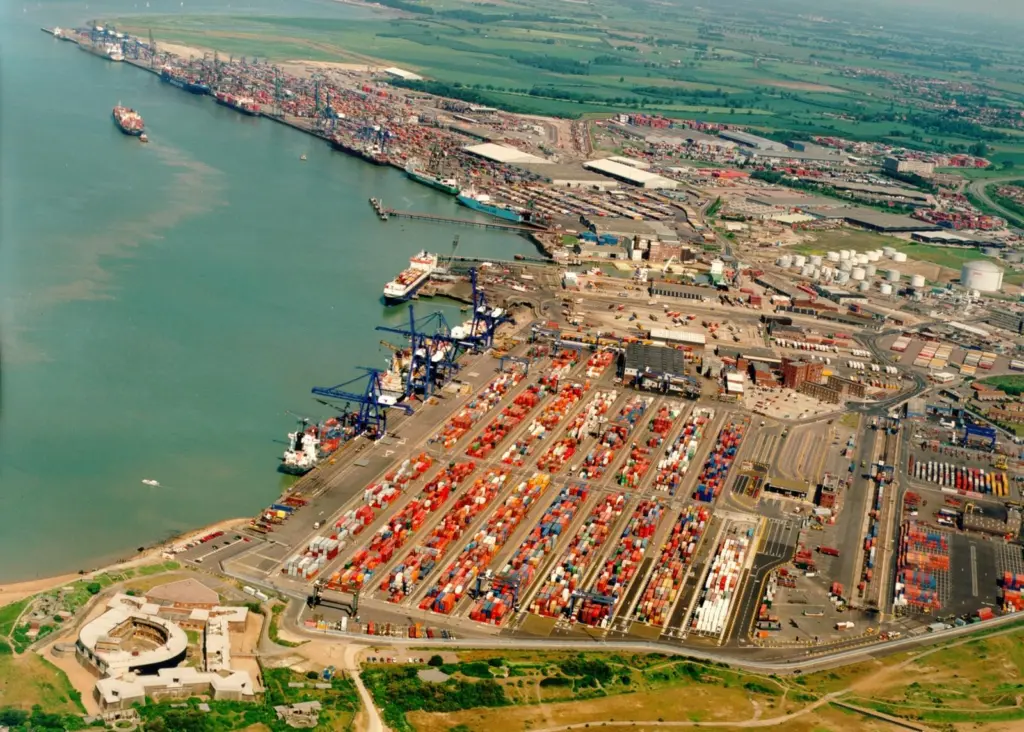
The committee, which published its report in November 2025, made a series of recommendations to streamline the planning process and ensure the policy better reflects the role of ports within the wider freight network. In its response, published on 6 July 2026, the government accepted two recommendations, partially accepted three and rejected two.
Among the changes, ministers agreed to clarify that the primary considerations for port developments should be functionality, safety and minimising environmental impacts.
The government also committed to strengthening the final policy by placing greater emphasis on the links between ports and inland transport networks, following calls for clearer recognition of connections with road and rail freight.
READ MORE: Committee pushes for port policy update
Transport Committee chair Ruth Cadbury welcomed the government’s response but said further action would be needed to ensure the UK’s ports remain competitive and prepared for future demands.
“Ports are essential to the UK economy with 95% by volume of all goods entering and leaving Britain by sea,” Cadbury said.
“The Transport Committee shares the sector’s view that the government should continue to drive towards a more streamlined, efficient planning process for port developments.
“I’m encouraged that the government recognises that road and rail connection will remain vital and that the primary concern for port facilities is that they must be functional, safe and must minimise environmental impacts. I now look forward to this being made clear in the final version of the NPS for ports.”
Cadbury also urged ministers to build on the revised policy through the government’s forthcoming maritime strategy, saying further measures would be needed to ensure UK ports remain ‘fit for the future’ as trade and infrastructure requirements continue to evolve.
Related Articles
 EXPANSION & DEVELOPMENT
 CONTAINER & CARGO HANDLING
 PORT & TERMINAL NEWS