




Maersk sulphur regulation implications
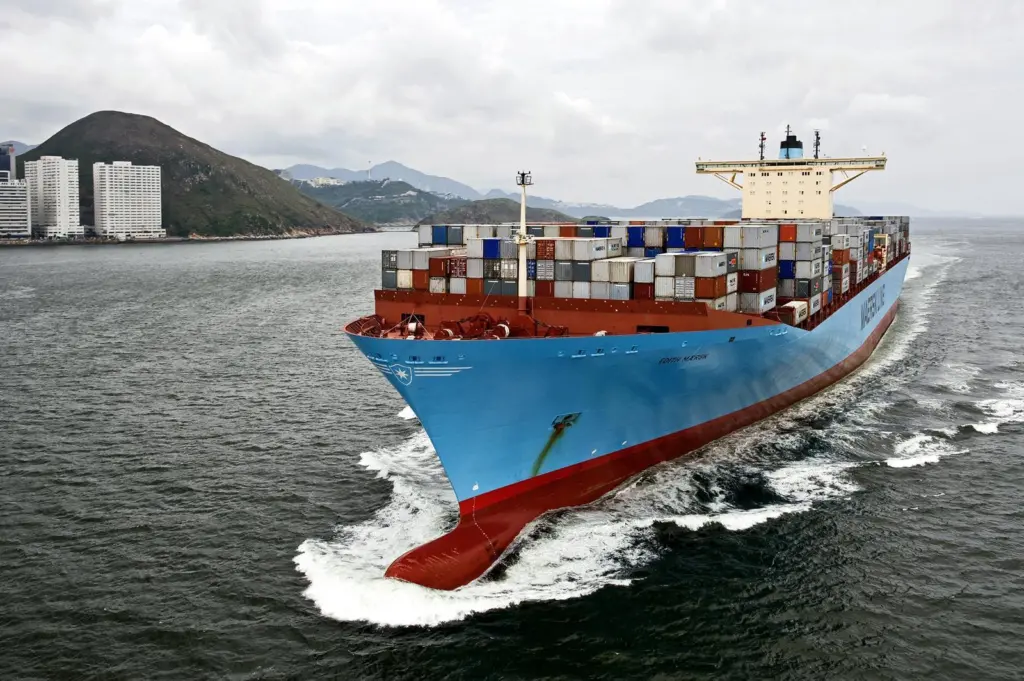
Maersk Line says that the projected financial impact of the new Emission Control Areas (ECA) coming into force in January 2015 will cost it more than US$250m.
On top of that the operator will face increased costs for buying services from third-party feeder operators, who will also have increasing fuel costs.
The new ECAs coming into force in North Europe (Baltic Sea, North Sea and English Channel) and North America (200 nautical miles from American and Canadian shore) will lower the maximum allowed content of sulphur in fuel burned in the ECA’s to 0.1% sulphur from todays 1.0%.
Sulphur emissions (SOx) will be reduced by 90% which will have significant positive effects on the environment and on health in general.
Maersk Line said it fully supports the regulation, but it is strongly encouraging relevant national authorities to put in place strict enforcement regimes that will create an industry level playing field and ensure that the positive environmental impact is not diluted.
To offset the additional cost incurred for its customers, the operator will incorporate the higher average fuel costs into the existing standard bunker surcharge (SBF). Additional cost to customers in affected trades will be between US$50 and US$150 per 40 foot container to and from main ports, depending on transit time inside ECA areas and whether touching ECA areas at both origin and destination.
Reefer containers will incur higher cost due to fuel used to generate power on board vessels.
Maersk said it will communicate more detailed SBF increases per trade when the implementation date gets closer and price difference can be more precisely estimated.
Related Articles
 EQUIPMENT
 ALTERNATIVE FUELS GREENPORT