




Recycling slops into marine fuels
The Ecoslops refinery in the Port of Sines, Portugal, has commenced industrial production and delivered the first volume of recycled marine fuel products which comply with ISO 8217 standards, writes Alice Mason, GreenPort News Reporter.
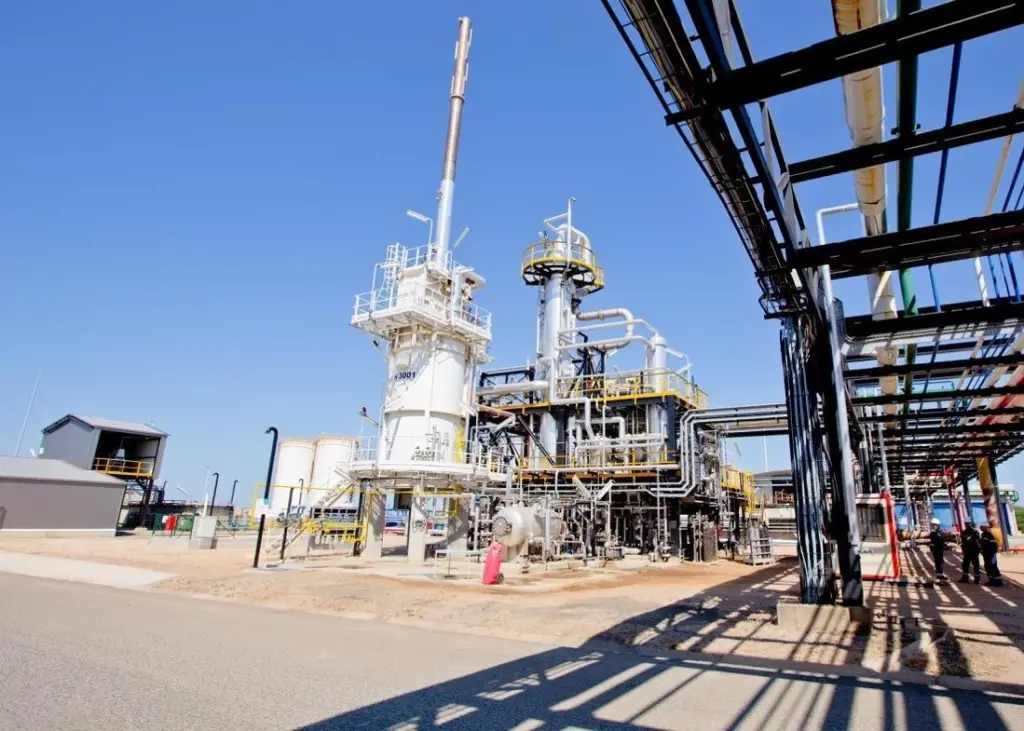
Ecoslops’ treatment centre in the Port of Sines has the capacity to produce 30,000 tonnes of recycled fuel every year, which is said to be a cost-effective, efficient and sustainable way for ship owners and operators to take waste products and turn them into a reusable marine fuel.
“The Port of Sines is Ecoslops’ first port where we have an industrial unit, our Oil Waste Processing Plant (OW2P). There are a number of reasons for this. Sines is a great strategic location for Ecoslops, as it is the number one Portuguese port in terms of volume,” Vincent Favier, Ecoslops CEO, told GreenPort.
He continued: “It is a deep-water port located on a major sea route, it has oil terminals around Galp and Repsol, is also a container ship terminal and an important location for one of our major partners, MSC. This is important, as a key offering of Ecoslops is being able to go direct to ship owners to take their slops and recycle them back into marine fuels, completing an important sustainability chain.”
In the third quarter of 2015, 3,200 tonnes of slops were imported from Northern Europe in conjunction with slops collected in the Port of Sines, mainly at the oil terminal. This means 1,400 tonnes of fuel products have been produced for the marine market so far and 98% of slops are being recycled for commercial use.
Ecoslops has a 15-year sub concession agreement with the Port of Sines for the exclusive rights to collect slops and solid waste within the port area.
“Another real advantage for Sines is that the profitability of our Oil Waste Processing Plant at the port is creating financial resources, which are being used for developing the quality and quantity of port reception facilities,” added Mr Favier.
The port is also making a significant investment in developing its infrastructure to drive more traffic. This will continue to have knock on benefits for the recycling of slops into marine fuels.
Ecoslops is said to be attractive option fo ports because it can take the hassle of slops’ disposal out of the equation. By recycling rather than burning it also has a positive impact of reducing CO2 emissions and local air pollution.
This can help the ports to improve their sustainability profile, enhance their competitiveness and meet environmental regulations.
“Port authorities have to comply with MARPOL 73/78 regulation, as well as European Union law (59/2000/EC directive) in relation to the disposal of slops,” said Mr Favier.
“They are required to arrange collection installations and have the necessary infrastructure for ship owners and operators as well as waste collectors. However, for ports, there are high costs associated with this and for owners and operators there’s a significant amount of time involved, which impacts the efficiencies of their operations.”
The company aims to evolve three more facilities by 2017 to keep in line demand and development at the Port of Sines.
“Based on the success of the industrial commencement at Sinès and the sale of our first volume of fuel oil back into the market, we are immediately stepping up our programme of developing facilities in new locations,” Mr Favier said.
“This includes the Ivory Coast, as well as other opportunities that we are considering in the Mediterranean but also in the North Sea, the Black Sea or the Red Sea, which is in line with our ambition to bring online three more facilities by 2018.”
Related Articles
 ALTERNATIVE FUELS GREENPORT