![PortStrategy[GreenPort]](https://www.portstrategy.com/wp-content/uploads/2026/09/PortStrategyGreenPort.svg)

A game changer for shipping?
The 21st Conference of Parties (COP21) has begun in Paris with the aim to reach a new legally binding climate agreement to limit the rise in global warming.
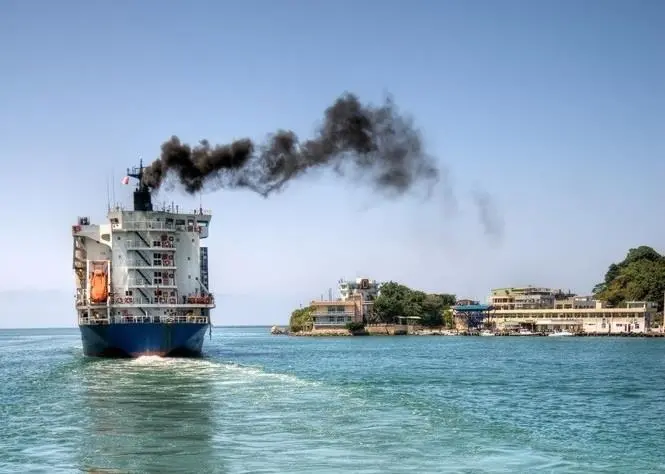
With the shipping industry being removed and then re-inserted into the draft COP21 negotiating text, there has been much debate about what COP21 will mean for the industry.
The final draft negotiating text included: “Parties should pursue limitation or reduction of greenhouse gas emissions from international aviation and marine bunker fuels, working through the International Civil Aviation Organization and the International Maritime Organization.”
“With a view to agreeing concrete measures addressing these emissions, including developing procedures for incorporating emissions from international aviation and marine bunker fuels into low-emission development strategies.”
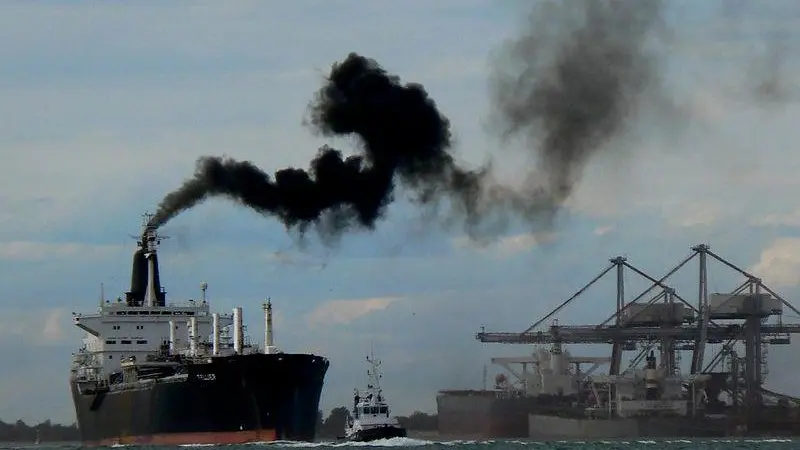
The shipping industry is in spotlight as the regulators feel that it holds a vital piece to the puzzle for a solution or agreement on the global reduction of greenhouse gas emissions.
An IMO study, the Third IMO GHG Study, projected that shipping’s carbon dioxide emissions could grow by 50 to 250% by 2050 compared to previous 2012 emissions.
The study also concluded that the shipping industry was only accountable for 2.2% of the amount of global CO2 and GHG emissions. The percentage of emissions shipping is globally accountable is said to be decreasing year on year, despite a slight rise in 2011.
Koji Sekimuzu, the current IMO secretary general, urged against the idea of an overall emissions cap for the shipping industry at COP21 in his official statement. He also previously dismissed the prospect of putting a carbon tax on shipping emissions.
As COP12 began on 30 November, industry experts said some form of taxation or global fuel levy is expected to come in wake of any deal at the Paris summit.
The International Chamber of Shipping (ICS) said that if the industry has to have a market based measure it would prefer a fuel levy rather than emissions trading or alternatives.
If money is collected from the shipping industry via a carbon tax, the ICS believes this should be proportionate to international shipping’s CO2 emissions.
COP21 will take place until 11 December 2015, it should then become more apparent as to what exact actions have been served up to the shipping industry to help reduce its global emissions.
Related Articles
 REGULATION & POLICY GREENPORT
 REGULATION & POLICY GREENPORT
 REGULATION & POLICY GREENPORT