






Chilean port gets carbon savvy
Terminal Puerto de Arica (TPA) has achieved an important milestone in its environmental strategy – by measuring its carbon footprint using a new Greenhouse Gases (GHG) estimation system.
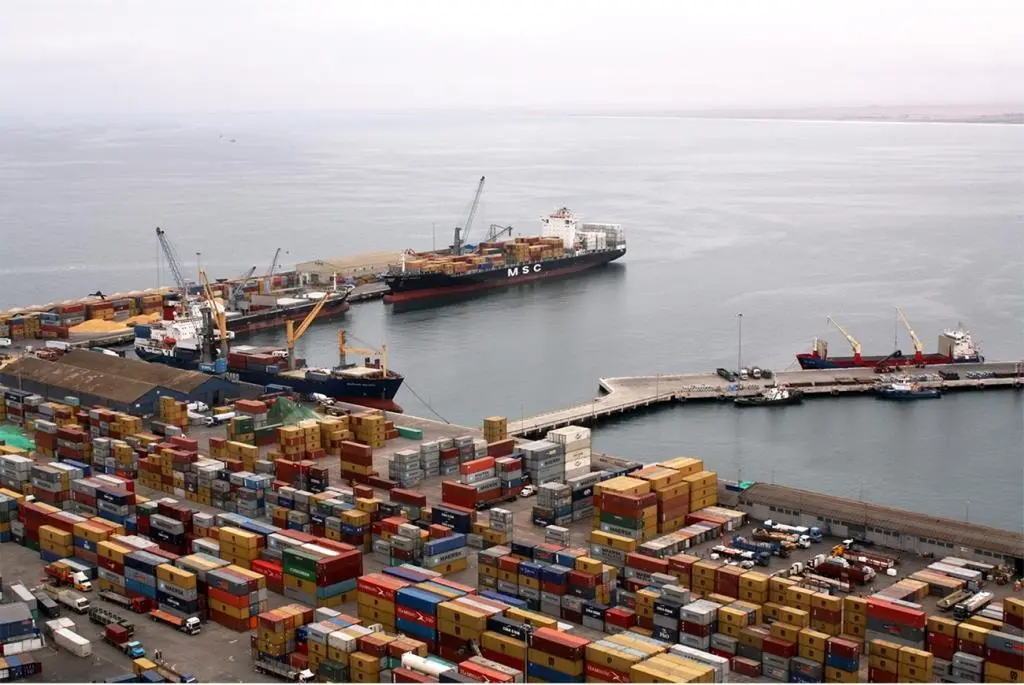
The initiative has allowed TPA to detect and monitor aspects that contribute to global warming and then to take mitigating action to reduce emissions.
Pedro Jaramillo, chief executive officer, TPA, said: “We have a detailed map of the most important emissions for our port tasks and have a management plan to reduce them and become the most environmentally friendly port in Chile.”
The GHG estimation mechanism was developed with the assistance of PriceWaterhouseCoopers and ABS Consulting.
The initiative has looked at all emissions generated in the port by the four main operators, TPA, Ultraport, Agunsa y Contopsa – the total amount of emissions is estimated at 21.827 tonnes of CO2 equivalent (tCO2e).
From this total, 4.036 tCO2e comes from the use of oil operating equipment at the port including reach stackers and cranes. Electric lights, office consumption and reefer containers account for around 1.182 tCO2e.
The next step for TPA is to improve the quality of its GHG emissions inventory, by measuring electric consumption of the warehouses and other areas to establish strategies to reduce these emissions.
Then TPA plans to start work on projects to replace obsolete equipment with new technology, training workshops, the installation of efficient lighting fixture in offices, yards and warehouses and a campaign to promote awareness.
All positive stuff, it’s just unfortunate that the vast amount of carbon at the port equating to 16.609 tCO2e is from the indirect emissions from ships and trucks that arrive to the port – which TPA can’t do much about.
Related Articles
 SOUTH AMERICA
 PORT & TERMINAL NEWS
 PORT & TERMINAL NEWS