

Port of Mariel’s US transhipment potential
Opportunities for the port of Mariel to capture US transhipment volumes have significantly improved since the US government lifted a ban restricting foreign vessels from calling at US ports within six months of calling at Cuba.
The US Treasury’s Office of Foreign Assets Control (OFAC) and Commerce Department’s Bureau of Industry and Security (BIS) waived the restriction as part of the ongoing programme to restore relations between the two countries.
Under the new rules, after docking in Cuba, some foreign ships carrying certain cargo will be allowed to travel directly to US ports to load or unload freight. Until now, such vessels have been required to wait 180 days – a restriction that Cuban officials say hinders their import-export trade.
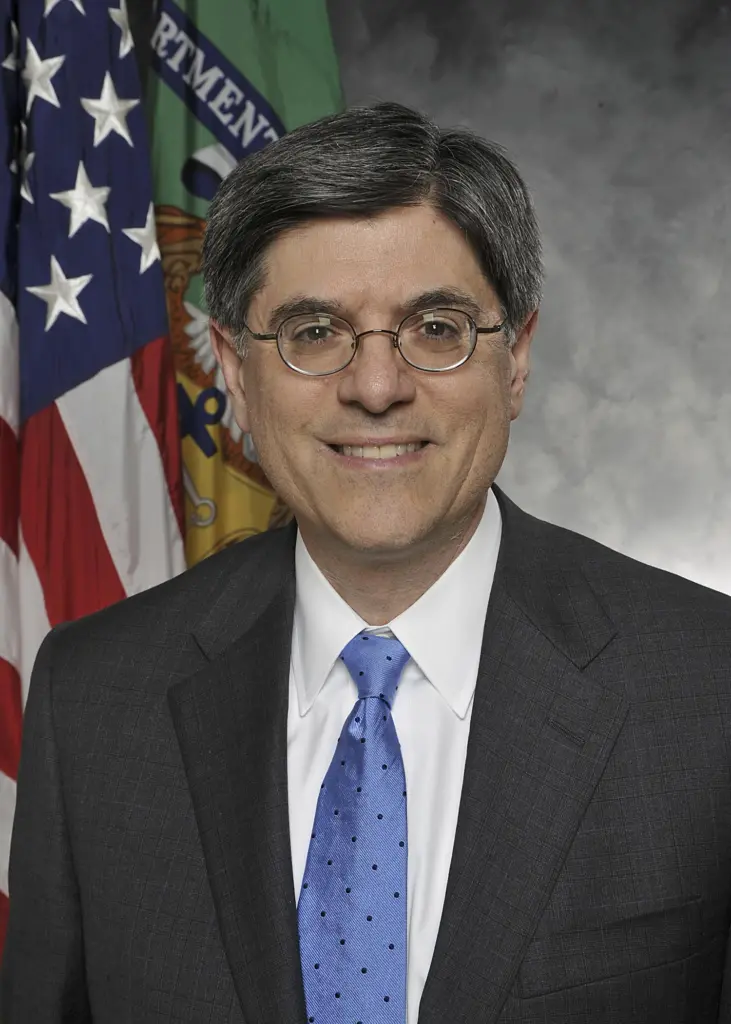
Treasury secretary Jacob Lew told The LoadStar: “The treasury department has worked to break down economic barriers in areas such as travel, trade and commerce, banking and telecommunications. This action builds on this progress by enabling more scientific collaboration, grants and scholarships, people-to-people contact and private sector growth.”
Mr Lew added that waiving the ban has the potential to “accelerate constructive change” and “unlock greater economic opportunity for Cubans and Americans”.
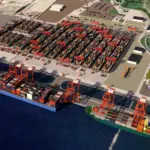
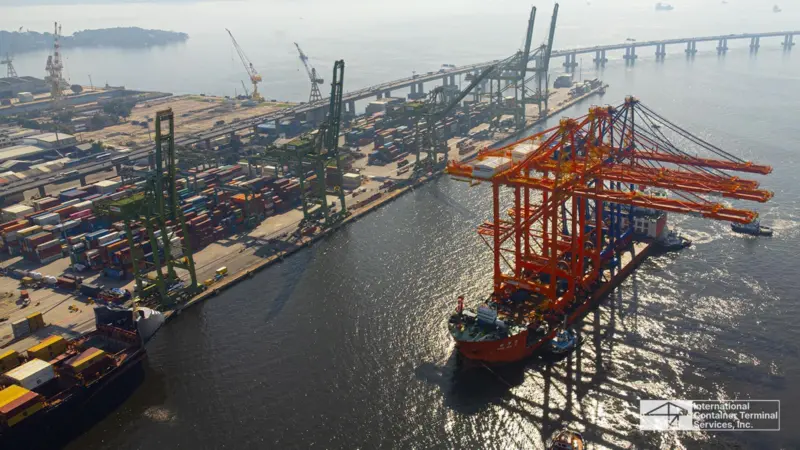
Waiving the ban is also fundamental to the development of the deepwater container terminal at Mariel, which has set its own goal to win US transhipment cargo from the new neo-panamax vessel sizes now using the enlarged Panama Canal.
Related Articles
 SOUTH AMERICA
 PORT & TERMINAL NEWS
 PORT & TERMINAL NEWS