




Ready for action
Brazilian north-east ports add capacity in advance of projected growth. Alex Hughes reports
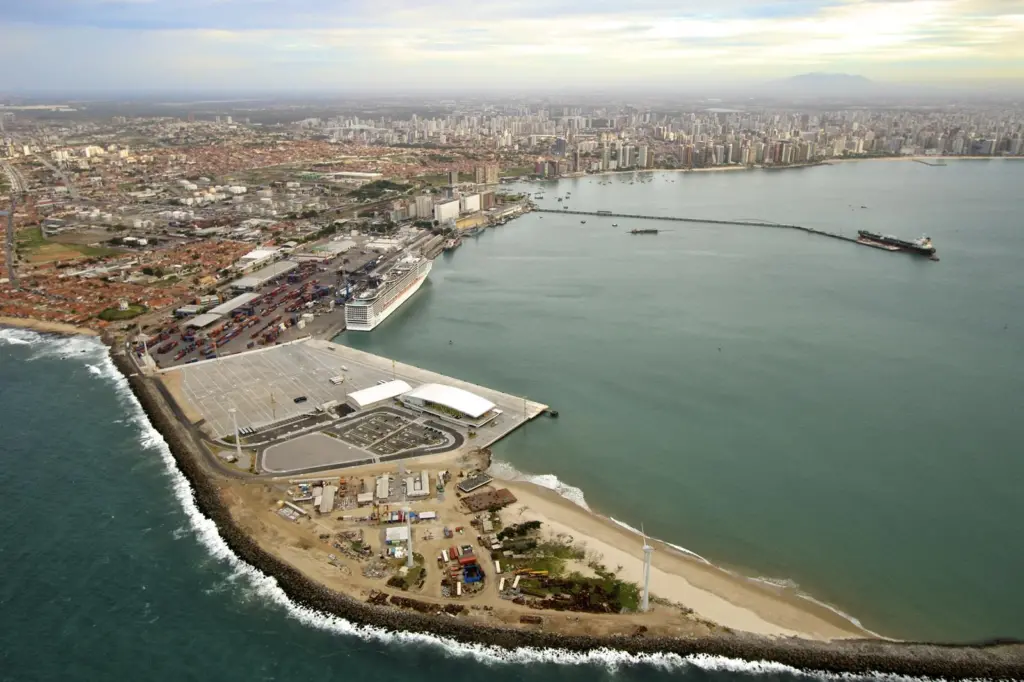
Fortaleza celebrates strong inbound role
In terms of overall movement, Fortaleza is mainly an import facility, with 94% of all traffic in 2014 inbound and just 6% exported. The most important commodity is imported oil, with the state of Ceará’s requirements in this respect being met by Fortaleza. Wheat is the most important of the imported grains handled, with Fortaleza being Brazil’s second most important milling centre.
As for general cargo, the port sees regular out-of-gauge deliveries of wind farm equipment. Paper reels, steel rolls, bricks, iron and steel products, project cargo, cement, salt, rice, chestnuts, and so on, are all important breakbulk products handled.
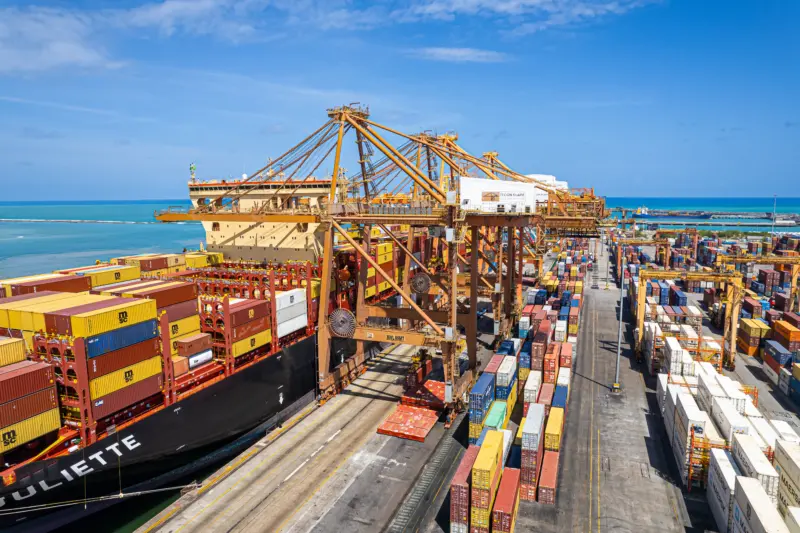
The port has also moved into the potentially lucrative container sector, reporting traffic of 100,530 teu in 2014, which was an increase of 10.5% over the 90,975 teu handled in 2013. “The existing terminal can handle up to 130,000 teu per year and the market is such that this could be expanded in the future,” says Mr Cavalcanti, who stresses that this area continues to rely on fruit, all of which departs Fortaleza in reefers or standard containers.
Related Articles
 SOUTH AMERICA
 PORT & TERMINAL NEWS
 PORT & TERMINAL NEWS