![PortStrategy[GreenPort]](https://www.portstrategy.com/wp-content/uploads/2026/09/PortStrategyGreenPort.svg)





Long Beach ups environmental initiative ante
The US’ Port of Long Beach has seen its sulphur oxides, diesel particulates and nitrogen oxides cut by 97%, 88% and 56% respectively since 2005.
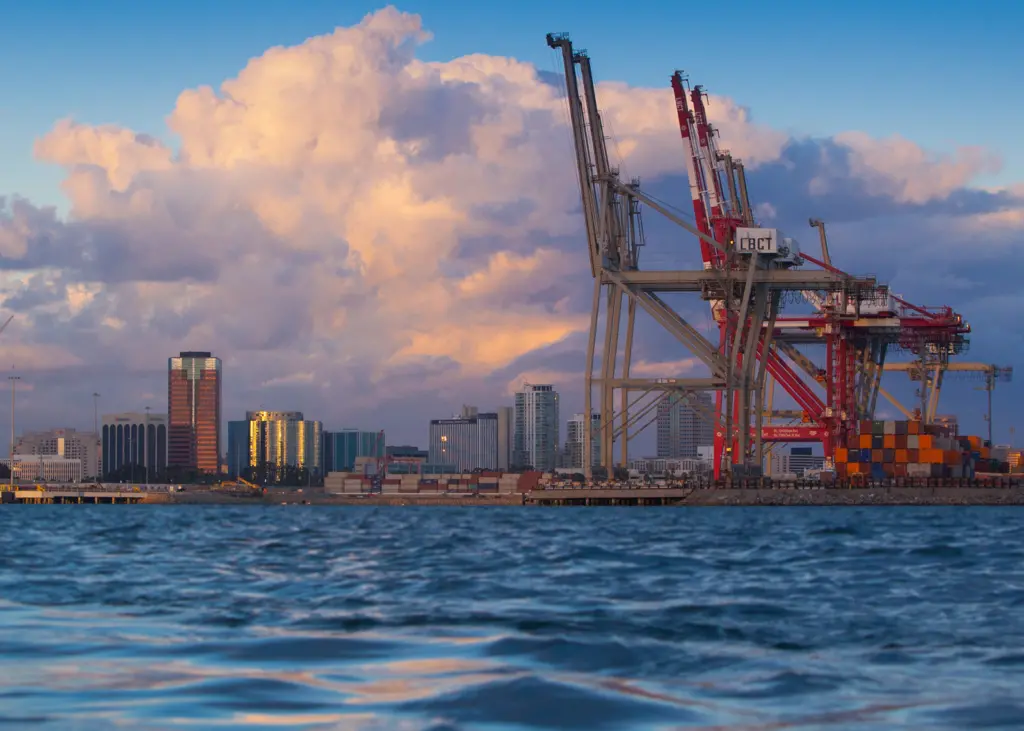
According to the Californian facility’s 2017 Air Emissions Inventory, dated July and prepared by Starcrest Consulting Group, aggressive actions from the port to curb pollution have been responsible for the reductions.
The dock noted in a release that the San Pedro Bay Ports Clean Air Action Plan (CAAP), which both the Port of Long Beach and the Port of Los Angeles have adopted, set 2023 reduction targets for sulphur oxides at 93%, diesel particulates at 77% and nitrogen oxides at 59%.
Results explored
The release said that the Port of Long Beach maintained decreased emissions levels despite an 11% increase in container traffic last year.
Furthermore, despite greenhouse gases [GHGs] not being targeted for reduction in the original CAAP, in 2017, they were curtailed by 18% in comparison with 2005 — though the decrease is less than 2016’s 22%. Port officials put the change down to boosted cargo volumes and ship visits.
However, the facility said that GHG emissions per teu moved are lower.
Tracy Egoscue, president of the Long Beach Board of Harbor Commissioners, said that the port has made “dramatic” emissions reductions, but added that it will not be finished, or satisfied, until it reaches its air quality, community health and long-term GHG-lowering objectives.
She noted: “We know we’ve picked the so-called low-hanging fruit. That’s why the ambitious CAAP update passed last year leverages new technologies and fosters the development of new equipment to reach a zero-emissions goal in the terminals by 2030 and on the roads by 2035.”
Commenting on the report, the port’s executive director, Mario Cordero, said that what is especially impressive about the results is that the dock’s container traffic has gone up by over 12% since 2005, adding that the facility’s efficiency in moving containers, measured by tonnes of emissions per teu, has improved by 23% since that year.
“We are moving more cargo and creating more jobs with lessened environmental impacts,” he noted.
Related Articles
 TERMINAL OPERATIONS
 TERMINAL OPERATIONS
 CONTAINER & CARGO HANDLING