![PortStrategy[GreenPort]](https://www.portstrategy.com/wp-content/uploads/2026/09/PortStrategyGreenPort.svg)





Protecting shipping lanes
Despite the various codes of practice, Maritime Notices and the requirements of the Electricity Act, offshore renewable energy developments are increasingly causing problems.
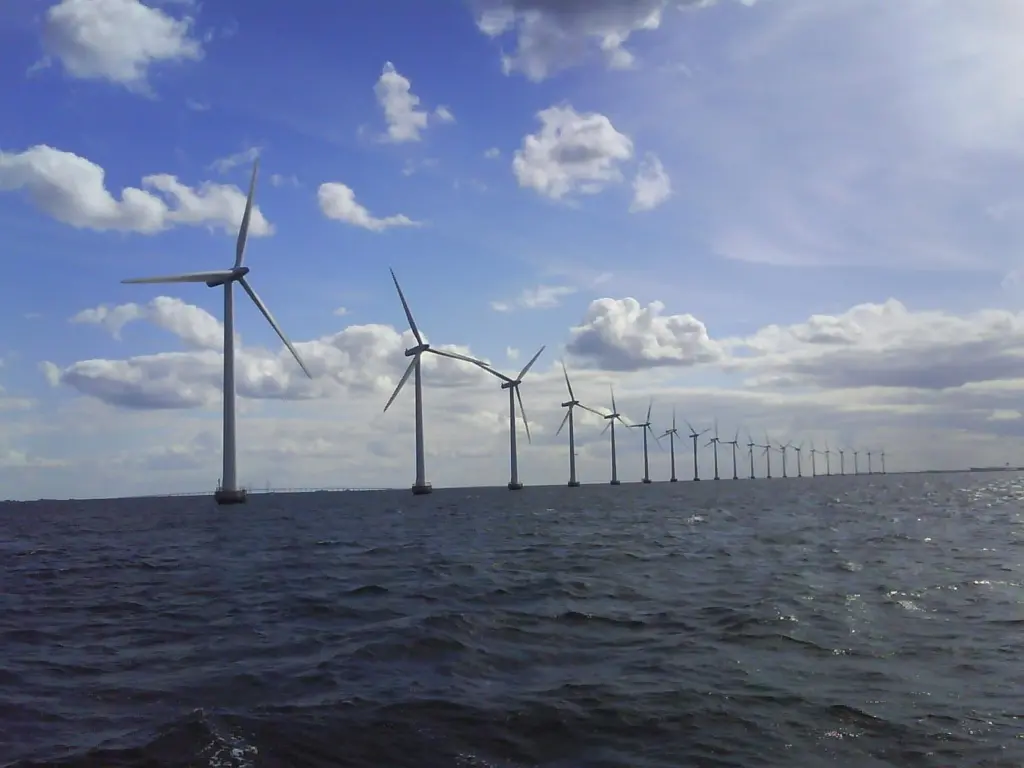
This is because wind farms are encroaching on well-established sea lanes, strategic trade routes and approaches to ports, and applications for developments continue to be put forward which clearly represent a danger to other sea users, says Saurabh Sachdeva.
The Chamber is lobbying the government, the Crown Estates (which owns and allocates the seabed areas for wind farms) and the developers for a radical change to the way developments are approved.
It wants to see the major shipping trade routes, lanes and subsidiary routes clearly designated, preserved and future-proofed. To achieve this, the government should bring together all relevant departments (shipping, energy, and planning and consents for example) and other bodies which have an interest for central discussions aimed at identifying present and future shipping routes around the UK coastline which are considered essential and of commercial significant, says the Chamber.
“Such discussions would have the benefit of giving clear and agreed direction, over and above the current guidance, to all parties – prior to the submission of individual development tender processes and applications – on those areas where developments will not be accepted.”
Mr Sachdeva wants to see an independent panel of navigation and shipping experts set up to give submissions to the government on specific wind farm site proposals.
The risks to shipping could be removed by ensuring that the safety of navigation and potential impact on trade routes are considered at an early stage when identifying and deciding on future wind farm sites, he says.
“The current process is neither simple nor rational and on several occasions developers have failed to apply the government’s marine safety codes, guidance and policies in a coherent and transparent manner.
The underlying problem is that putting a wind farm in the sea is seen as an easy way of doing things, says Richard Everitt. “But there are a lot of competing interests in the sea and there needs to be proper processes in place in order to reach decisions that meet the needs of all these competing interests.”
No location should even be proposed that would block a shipping route, insists Mr Sachdeva. “There is a lot of media hype about the environment and how much we need wind turbines and need energy. But we also need food to eat, and if vessels stop calling in UK ports because of obstructed routes, where is the food going to come from?
“UK shipping is not considered important. The Crown Estates earns revenue by leasing out this land. The shipping industry doesn’t generate any revenue for the Crown Estates. It is a very simple economic principle. But the whole national interest comes into question.”
Related Articles
 TERMINAL OPERATIONS
 TERMINAL OPERATIONS
 CONTAINER & CARGO HANDLING