![PortStrategy[GreenPort]](https://www.portstrategy.com/wp-content/uploads/2026/09/PortStrategyGreenPort.svg)





Thames tidier carves out waste niche
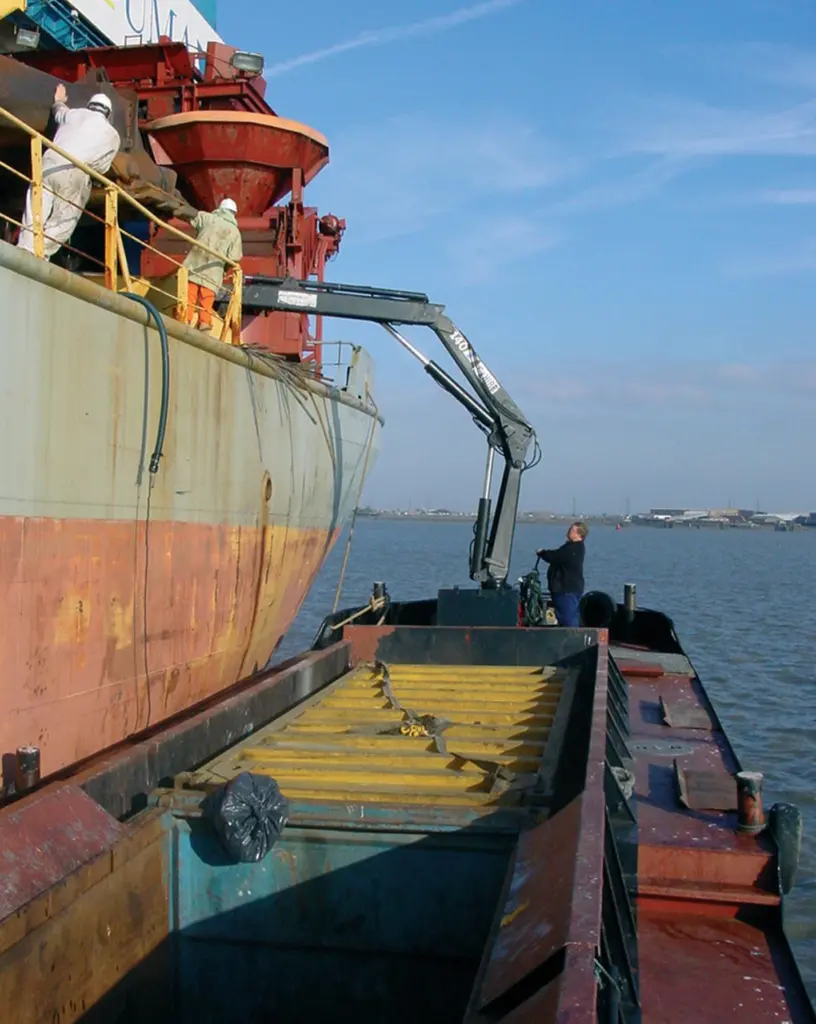
According to port environmental officer Alasdair Kerr, the port authority treats all waste as though it were Category I Food Waste, which effectively means disposal has to be strictly managed. For example, the contents of each wheelie bin are fed into a compactor, which then has to discharge into an enclosed container.”This is taken to a nearby landfill site early in the morning and the contents immediately covered over to prevent vermin such as seagulls picking out food which might be contaminated with a disease not native to the UK,”explains Kerr.
The largest ships serviced tend to be visiting cruise liners during the summer season and sand dredgers.”These vessels mostly want us to dispose of their refuse and waste oil,” notes operations manager Chris Cook. “The latter is pumped into special holding tanks in our collection barge.”
Tidy Thames conveys collected waste to third party handlers, either for disposal to landfill or, where possible, for recycling.”Waste is not viewed as a problem on the Thames, because systems are in place to manage it.However,companies have to understand that, as much as possible, they need to separate their waste streams for recycling, which is both environmentally and financially beneficial,” says Mr Cook.
Of note is the fact that waste oil and other liquids removed from bilges are often contaminated by silt and are therefore classed as a grade of ‘hazardous waste’, which requires disposal through appropriate routes.
Related Articles
 TERMINAL OPERATIONS
 TERMINAL OPERATIONS
 CONTAINER & CARGO HANDLING