



A model for co-operation
COMMENT: Fragmentation, however you define the word, is a fact of life when it comes to shipping and to the maritime businesses and organisations which touch it, writes Barry Parker.
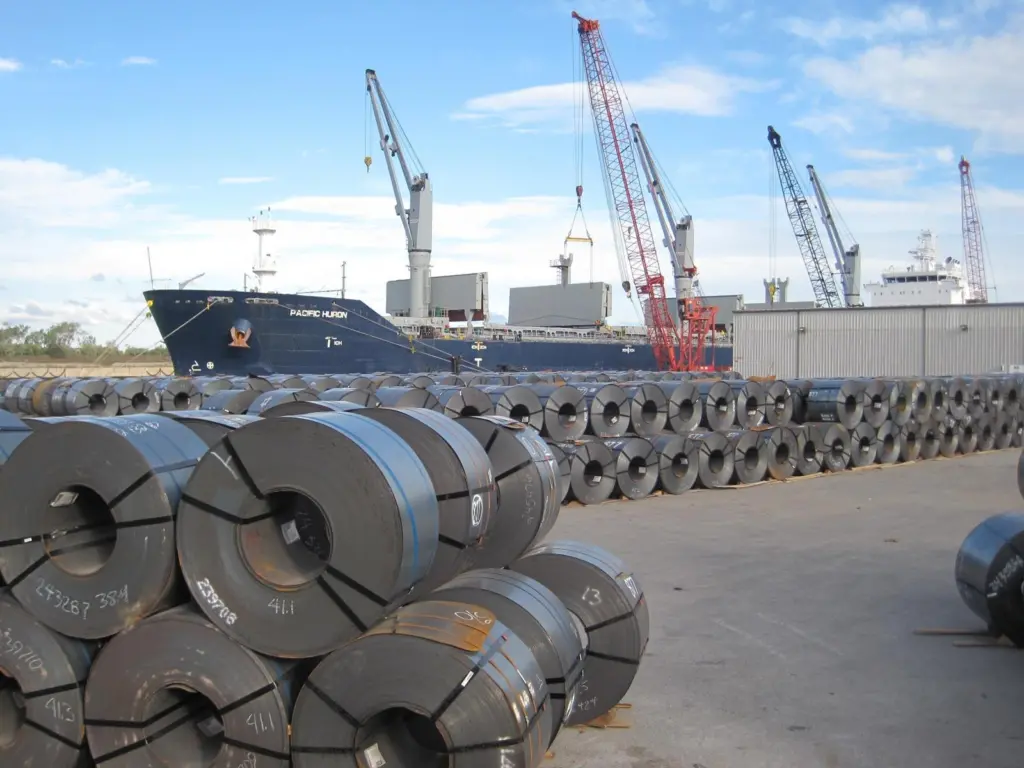
One consistent theme that I’ve observed is the huge disparities and inconsistencies surrounding port involvement in the business of shipping and moving cargo.
At one extreme are the landlord ports which view themselves as owners of the bulkheads with some property behind it; they see a big picture, but are reminded by pundits like me that the devil is in the details. At the other end of the spectrum are ports that actually get deep into the weeds of actual operations, and sometimes need scolding for not seeing the forest through the trees.
To further complicate matters, these differences in organisational structures and functions occur against the backdrop of concerns that impact an entire region, beyond what one port might be facing.
In my hometown, over the decades the regional port authority has at least facilitated the shift of maritime activity from the most densely populated pockets to locations across the river near mainline infrastructure. But the politics are fierce, with planes, property, buses and bridges distracting from maritime matters.
Recently, I’ve taken an interest in a region to the west of New York, the Great Lakes, which touches eight states and two Canadian provinces. Port interests in the region have not only gotten on the same page (a minor miracle), but have also been able to agree on substantive matters with shipowners and cargo generators.
Outreach efforts, whether on the web, or through conferences and publications, have been highly effective. Indeed, elected representatives have been mobilised to insert wording into a major legislative bill that would harmonise rules on ‘incidental discharges’ from vessels and would exempt Lakers from the folly of Ballast Water Treatment, such as it is.
There has been some suggestion that Great Lakes denizens band together and form a supra-port authority, encompassing the ten political entities. It’s an intriguing idea, however politics and trade flows don’t always agree.
Consider that virtual structures, trade groups, and coalitions are far more manageable and can even bring politicians together. Consider that New York Governor Andrew Cuomo, a cabinet member in the previous Clinton administration, and Governor of Indiana Mike Pence, Donald Trump’s running mate, have both signed the same document endorsing a master plan for the entire region.
Folks to the west of New York’s port – in theory part of that big hinterland – have demonstrated that like-minded interests banding together can move the needle.
Related Articles
 INSIGHT & OPINION
 INSIGHT & OPINION
 INSIGHT & OPINION