![PortStrategy[GreenPort]](https://www.portstrategy.com/wp-content/uploads/2026/09/PortStrategyGreenPort.svg)


COVID-19 – THE NEW YORK ANGLE
COMMENT: Worldwide supply chains, and the ports that go with them, have been completely overtaken by the Coronavirus, COVID-19 issue, writes Barry Parker.
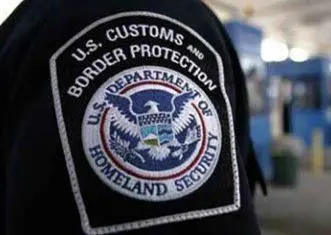
The role of ports as “hubs” in networks of cargo, goes further – into the human realm (which I have mentioned, previously, albeit only briefly in these articles).
Maritime ports are also entry points for people, these days mainly seafarers rather than immigrants or coastal travelers. Nevertheless, moving past the TEU statistics (unfortunately, trending downward in 2020 Q1), the human aspects of port operations take on much more importance than before.
There are obvious things, like frequent hand-washings with soap or sanitizer (though stores in New York have seen shelves depleted) that people-prudent folks can do. But less obvious to the “man on the street”, but bearing attention in the port community, are the newly instituted types of interactions with Federal agencies that ports need to be having.
The agencies taking the lead in such interfaces is the United States Coast Guard (USCG), where the relevant Captain of the Port (COTP) has overarching authority to decide on whether vessels can dock (versus being held offshore) and then, if the ship does indeed tie up, whether crew are allowed off the vessel.
The ports may also need to get “creative” when it comes to logistics of routine tasks of bunkering, resupplying “victuals” and handling minor repairs. However, in the background, the COTP must be interacting closely with Customs and Border Protection (CBP), which has a say in responses to health crises, and, as necessary with the Center for Disease Control (CDC) which is heavily involved in actual testing of possibly infected people.
If things get dicey (i.e. a vessel with possibly infected crew or passengers), it is important that the chain of command be respected. In certain ways, the Federal intervention is reminiscent of the crisis following the attacks of September 11, 2001, which led to much increased Federal scrutiny of ship movements and cargo composition – and, yes, to some false positives like the ceramic tiles from the Mediterranean that showed up as radioactive.
Yet trade flows survived, and at various times in economic cycles, prospered, as evidenced by dramatic increases in those TEU counts, including imports of clay tiles.
Related Articles
 INSIGHT & OPINION
 INSIGHT & OPINION
 INSIGHT & OPINION