![PortStrategy[GreenPort]](https://www.portstrategy.com/wp-content/uploads/2026/09/PortStrategyGreenPort.svg)

NEW ADMINISTRATION, NEW ‘SUPER-CYCLE’
COMMENT: All along the East Coast, the talk is all about off shore wind, writes Barry Parker.
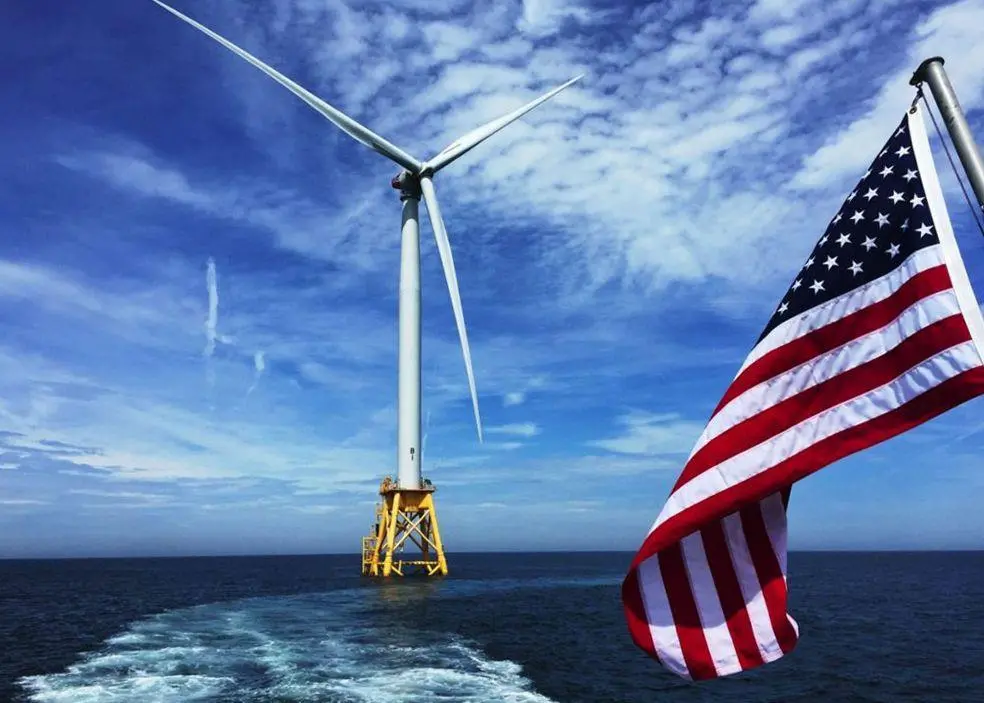
There’s a new Administration, new folks in top regulatory slots, and daily reports about a spirit of working out issues, and getting the approval processes back on track. With various commodity pundits using the word ‘super-cycle,’ the timing could not be better.
Meantime, I heard talk about a 20 megawatt turbine being discussed. It’s all good. One nagging issue worth watching, and worth careful discussion and consideration by ports looking at offshore wind, are questions about what I euphemistically call ‘local content.’ Electricity purchasing is usually controlled by the individual states, and states are driving the investment dollars in what is, effectively, creating ‘Greenfield’ types of infrastructure.
But contrast that with supply chains that we’ve come to know and love, where ports can freely compete with each other based on berths, landside interfaces, availability of certain fuels, you name it, where the cargo flows respond to incentives (some operational, some financial, and sometimes a bit of both).
Change does not always come easy. Offshore wind is very much about ‘re-invention’ of facilities that have been neglected and fallen into dis-use. When the switches are turned back on, there may be some guarantee or assurance of certain throughputs, or certain guaranteed cash flows. Yet, a longer-term view of the decade ahead should build in incentives for innovation, and mobility of both business and capital in response to newer forms of ‘market forces’ (however defined).
If one port can be massively efficient or do a particular type of staging or maintenance far better than others, that great performer should be able to attract business from further up and down the coast. Likewise, if the local provider gets all jammed up, for whatever reason, neighbouring ports able to perform work with the same standards should get a piece of the action.
Over time, jobs will transition from construction towards routine maintenance roles. Yet, things happen, so hopefully planners will be thinking about arrangements similar to those in place for disasters, where workers move around in response to urgent needs, a non-maritime concept, albeit one of great necessity. With some thoughtful planning, the future looks bright.
Related Articles
 INSIGHT & OPINION
 INSIGHT & OPINION
 INSIGHT & OPINION